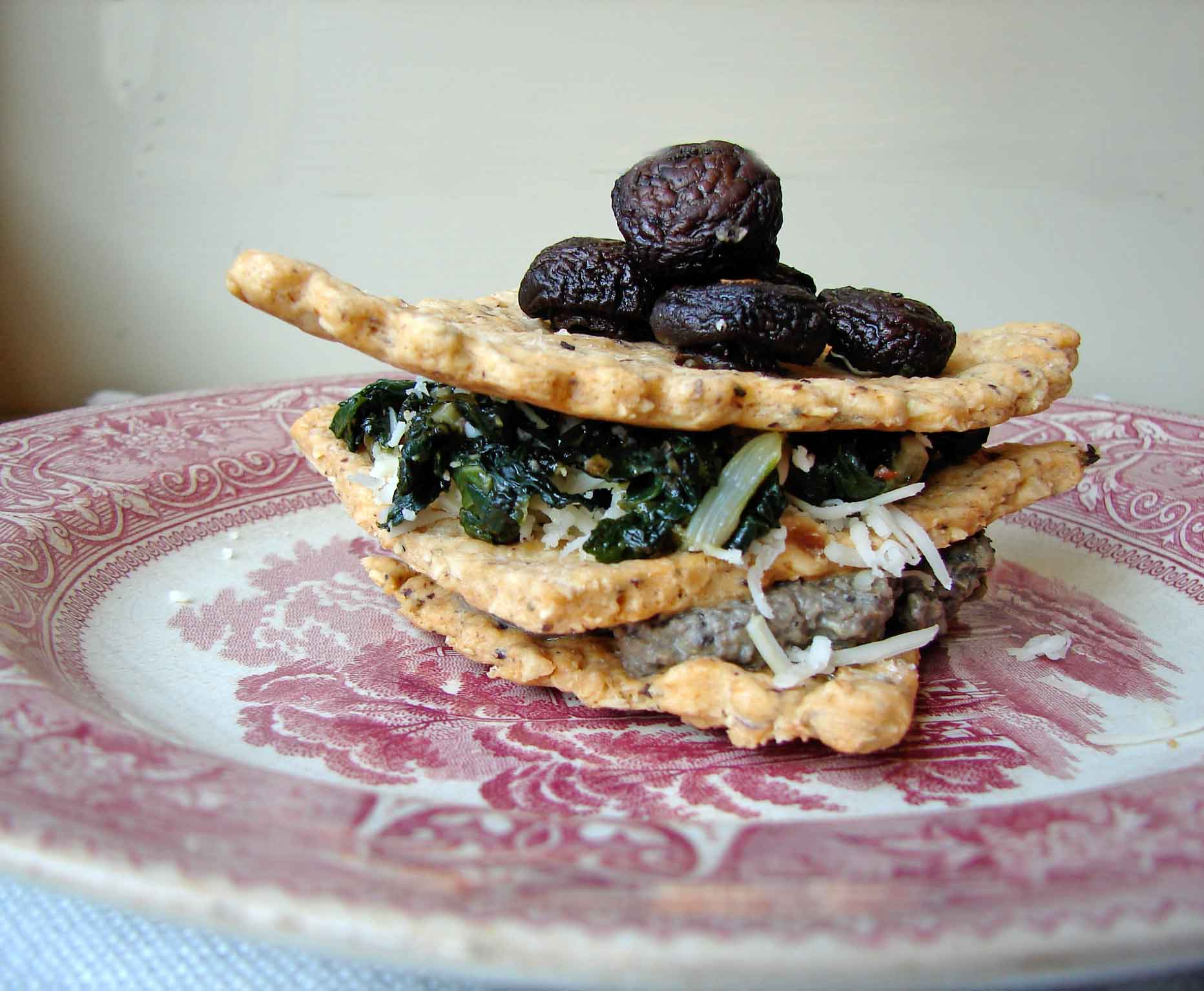
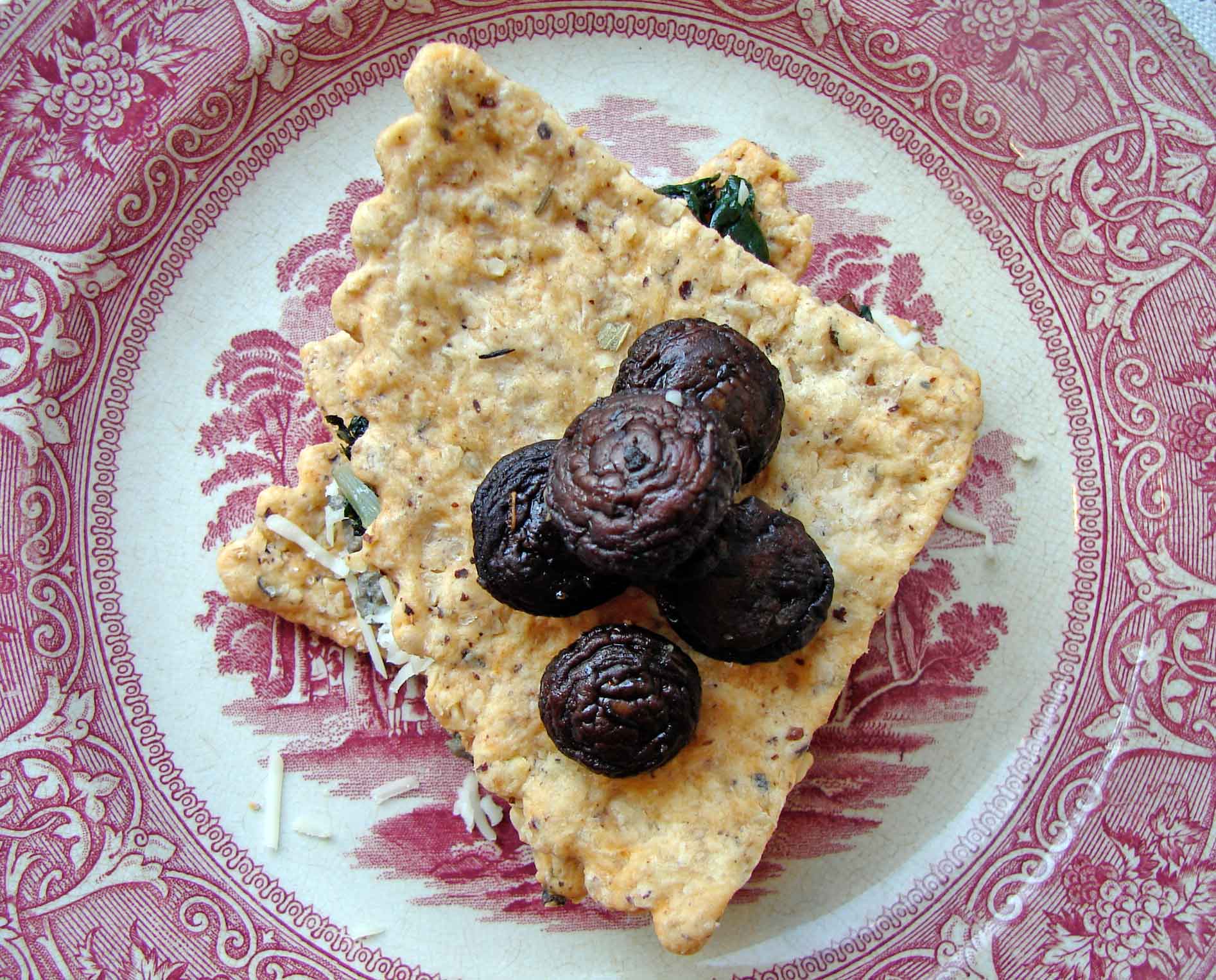
Hazelnut sage cracker fans stacked with roasted mushrooms, french lentils and chard

Hazelnut cracker stacker
Hazelnut cracker stacker

Isaac gave me a card for valentine’s day. It’s got a three-dimensional heart made of red tissue paper flowers, and it says “my heart belongs to you.” Sweet. A fairly traditional valentine’s day sentiment. Nicely made card. It undid me! I get weepy when I think about it! The thought of my Isaac’s heart – so sweet and generous, odd and contrary, so singularly Isaac – the thought that it’s mine, at least in part, threw me for a loop. The gift and the responsibility of being loved by both my boys is almost overwhelming, if I stop to think about it, and my lovely card made me do just that. I like the word, “unmanned.” It’s an old-fashioned term, I know, but I like to think about men striving to be manly, working to be strong and just and mature. And I like the idea that, in an instant, some emotional force can dissolve all of that, and leave him feeling like a boy, raw and bewildered. Sometimes I feel “unwomanned.” I don’t walk through the world thinking about being a woman or a mother. Honestly, despite my advanced and advancing years, I don’t really feel old enough, most of the time. Being a mother is a fairly common pastime. Everyone in the world has one. But when you take a moment to consider motherhood, it’s awesome, it’s terrifying, it’s wonderful. Isaac’s heart belongs to me, and I made that heart! And I’m responsible for keeping him healthy, and feeding him good foods that will help that heart to grow. I work to be strong and just and mature – to be worthy of the boys’ love; to be a good example for them; to give them some core of conviction and kindness. But sometimes it feels as though all of that falls away in a moment – not in a bad way, but in a way that makes me feel more awake, more keenly aware of my power and privilege in being important to the boys. Last summer Isaac had an echocardiogram. I sat with him for an hour in a darkened room, while we watched the workings of each inch of his beautiful beating heart. It was almost too much information. I felt undone, but I had to be collected when the lights came on – I had to listen attentively, ask relevant questions, reassure Isaac, and answer his sweet anxious worries. It’s such a strange world! We all walk around each day with our hearts working so inexplicably and so persistently, and with those hearts we love people, so inexplicably and so fervently. And we can’t even think about it, or we’d be so overwhelmed we’d never get out of bed!

Hazelnut crackers stacked with chard and roasted mushrooms

Hazelnut crackers stacked with chard and roasted mushrooms

Last night, for valentine’s day, we took some time off. I made a special, strange meal. We ate together and talked together, and we let everything slide. We missed a basketball game and a meeting. We cuddled on the couch and watched a movie, and decided to skip the showers and the evening reading. It feels good to be irresponsible, some times! And, guess what? I’m a mother, so if I say it’s okay, it’s okay!! It was a really nice night. And the dinner was strange! I wanted to make something a little fancy, and less pedestrian than my usual fare. So I made some large fan-shaped crispy crackers, flavored with sage and smoked paprika, and crunchy with hazelnuts. I piled these with layers of sauteed chard, roasted mushroom & french lentil puree, cheese, and whole, small roasted mushrooms. It was very fun to make, and very fun to eat, too! I thought all of the flavors and textures were nice, altogether. I used my 8-ish inch tart pan ring to cut the dough into fluted circles, and then I cut those into quarters. You could use a medium-sized bowl with a thin edge. Or just cut it freehand with a knife. Or make circles instead of fans, by cutting with a large glass. Whatever, man!

Here’s My Heart, by Louis Armstrong. It’s bright and cheerful and serious and thoughtful at the same time, like my Isaac.
Continue reading

Crepes with spinach, pecans, tart cherries and gjetost cheese

Spinach, tart cherry and gjetost crepes
Spinach, tart cherry and gjetost crepes

Happy valentine’s day, everybody. Here’s a love story for you. Once there was a person named Claire. She was skinny and odd-looking with wispy blond hair, and she dressed like an old blues musician. An old male blues musician. She was twenty-three, but she didn’t know what that meant, the foolish child, because she’d never been forty-three yet. In May spring came to her dirty little city just as it came to all the greener and pleasanter places of the world. Claire walked around town constantly, and she loved the hopeful light, and the warm, sweet air, sweet with more than the fumes of the local candy factory, this time of year. And she started to notice a boy named David. He was a strapping fellow, with sideburns and doc martens and huge blue-green eyes with gold in the center. She started to see him everywhere, and she talked to him, from time-to-time, when circumstances and her wildly beating heart allowed. He didn’t seem all that interested, but she was fairly persistent, and one evening her mischievous roommate, Big Dan, to Claire’s terror and delight, asked David if he’d like to go on a bike ride with them next morning. They went to a towpath, with fields stretching for miles on either side – fields awakening with spring, fragrant with grass and wet dirt and expectation. They couldn’t know that this towpath connected, miles and miles away, with one that they would live along in their own house, with their own family, years from now. David didn’t need to be the fastest or ride the farthest, and he noticed everything – the turtles and frogs and snakes. The trees were full of birds, bright tanagers and warblers and orioles, singing their hearts out. But David and Claire didn’t know that, yet. They did not yet recognize the songs, or know to look for the sweet swift movements in the shifting leaves, just as they couldn’t know about the hours and days and years of love and joy and pleasure they would share, or of their own two bright boys, who would run along the towpath, singing their hearts out. They couldn’t know that yet, but it was there. That very night, Claire went to a party at David’s apartment. He stayed by her side the whole time. He said, “Do you want to see the art?” and laughed, but there was art, everywhere. And his room was like a museum, full of odd and interesting things. He was shy, but never awkward. He didn’t talk much, but what he said was always thoughtful or witty. A drunk Russian boy fell down in the kitchen, and a Joycian scholar took umbrage when Claire described Joyce as an awkward adolescent. At 3 am, David walked Claire to her car. They looked for Orion in the sky, but the hazy warm lights of the city obscured the stars. David said I bet we could see Orion from the field by the towpath. Claire drove through a red light on the way, and didn’t even notice. David laughed and said, “no cop, no stop.” At the field they joked about ghostly deer. David asked if Claire saw any shooting stars. She looked up in the sky and a star shot across it. The first she’d ever seen. He asked if she saw any more, and she saw another. David, who was quite a bit taller, lifted her off the ground and kissed her. Years and years later, Claire, who never stopped thinking and never stopped talking, pondered the appeal of Jane Eyre and Pride and Prejudice. Why do we get so much pleasure from reading and re-reading these romances with happy endings? She asked. Well, you’re living in one, said David.

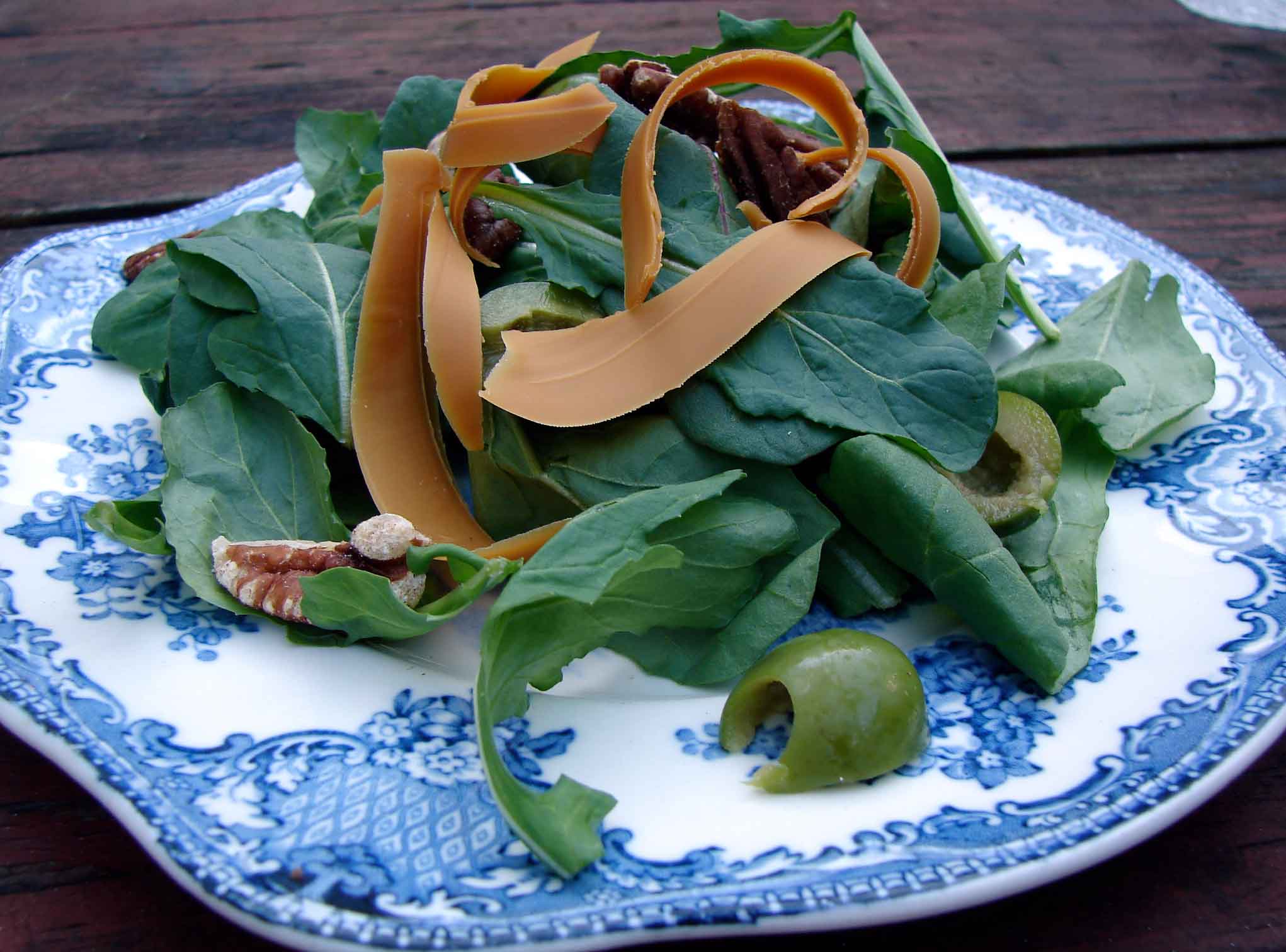
Arugula, gjetost and castelvetrano salad

Arugula, gjetost and castelvetrano salad

And day after day, year after year, David gratefully and happily ate all the strange food that Claire put on the table. Even if it had odd combinations like spinach, tart cherries and gjetost cheese. Everybody is talking about gjetost cheese, at the moment (or brunost if you prefer) because its publicist wisely had it catch on fire by the truckload in a tunnel. It’s a dense sweet, caramelly cheese. I’ve heard it described as having umami flavors, and it does. It’s very intensely weirdly wonderful. It takes a bit of getting used to, but it’s oddly addictive. The first time we tried it, we paired it with salty bright castelvetrano olives in a salad with arugula and pecans. Nice. The next night I made crepes and filled them with spinach, tart cherries, and a combination of sharp cheddar and gjetost cheese. An odd combination, but I liked it! I love greens with raisins, so I thought cherries would be a sort of logical next step. And the caramelly gjetost went nicely with the browned-butter flavor of the crepes. And that’s that!

Here’s Mellow Mood, by Bob Marley. It’s our song.
Continue reading

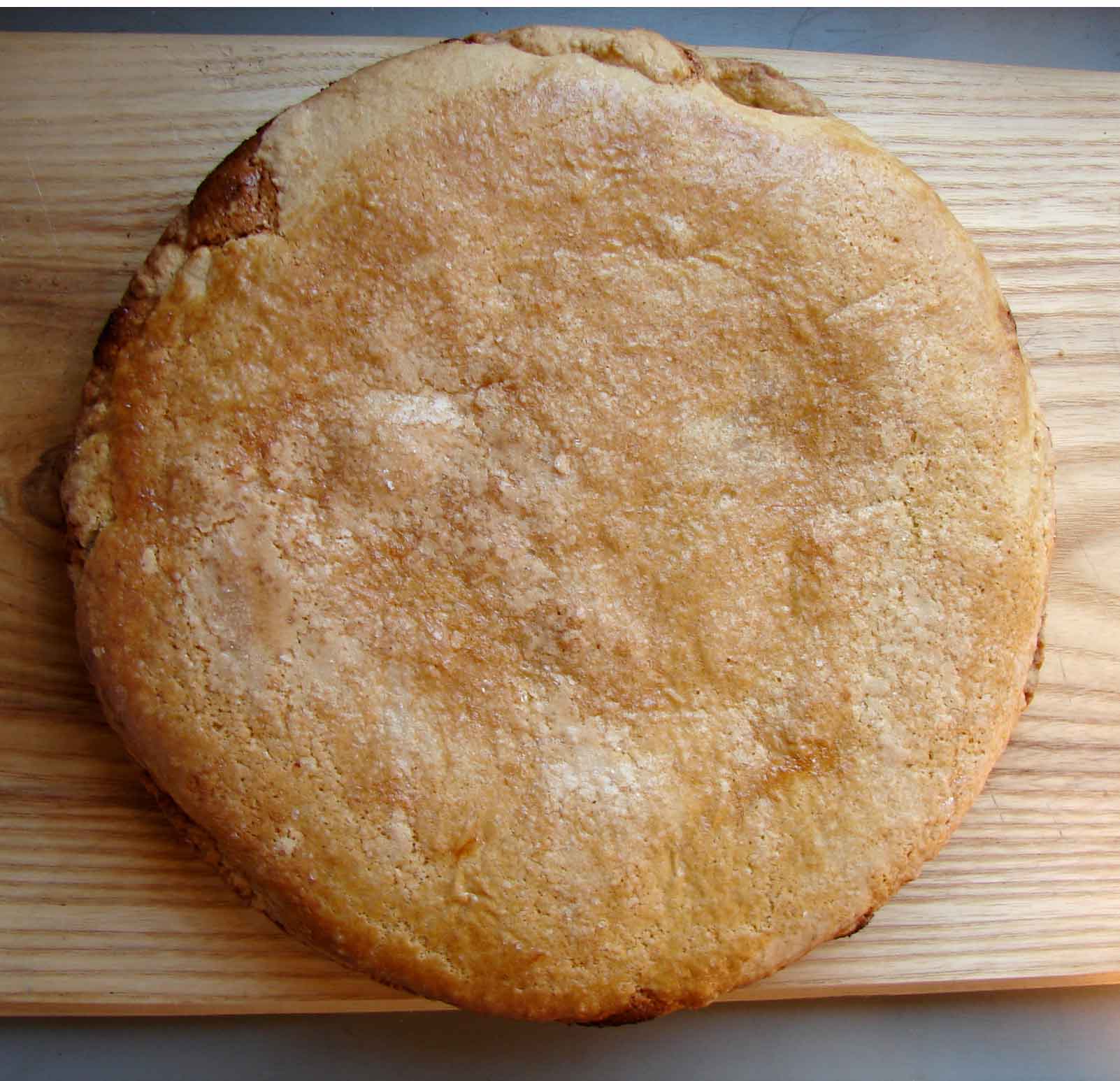
Salt-sprinkled pastry cake (with chocolate almond filling)

Salt-sprinkled pastry cake

Salt-sprinkled pastry cake

In my dream this morning, I made a film. I haven’t made a film in nearly thirteen years, and like all neglected things, films frequently work their way into my dreams. Unlike most forsaken activities, my dream films aren’t the source of anxiety. They don’t appear as starving pets I’ve forgotten to feed, or children I’ve abandoned somewhere, or tests I haven’t studied for. My dream films are perfect. They’re strange, of course, because they follow a dream logic, which makes them odder and better than surreal films, which are frequently too carefully calculated to be very honest or beautiful. My films look exactly the way I want them to look, each frame so lovely it’s sealed in glass. And they say exactly what I want them to say. In real life I don’t have anything interesting to say, but I never stop talking (you may have noticed!). In my films I have a perfect thing to say, and I say it perfectly, with grace and space and spirit. In my dreams, my films are never finished, but a large portion is done, and done well, and frequently I have an epiphany on just how I’ll finish it. It’s good to wake from these dreams – I wake happy, but a little disappointed, of course, because there is no film. We saw Sleepwalk with Me last night, and the main character says this, “I really feel like our whole lives, no matter how low our self esteem gets, there’s a part of us that thinks, ‘I have a secret, special skill that no one knows about.'” Well, I know what he means. I remember in high school having this talk with a friend. She was sure, she knew without a doubt, but in a way that she couldn’t even talk about, she knew that one day she’d be a successful musician. And I knew that one day I’d be a writer, a good and important writer. I’d write novels or plays, and they’d be beautiful and everyone would like them. And I’d make films, too. Perfect films. Don’t laugh, but when I was in my twenties, working on my first film, I was walking down the street feeling good. I had bright red nail polish on, and I remember imagining the New York Times reporter who was interviewing me – you know, the one who was interviewing me because of my brilliantly received film – I imagined her mentioning my bright red nail polish. I’m just not so sure any more, about having the special secret skill, but I guess my sleeping brain thinks I do. I wonder when you lose that faith in yourself. I’ve started novels, and been in a passion of hopefulness about them, only to find myself one day holding reams of paper that suddenly feel like wasted paper, with wasted words representing many wasted hours. And my films took about three years each, start to finish, but I was in love with them the whole time. You have to be! And now I watch them, I see where they’re flawed. At times that’s all I can see. It can leave you feeling very discouraged! Very scared to try! I hope nobody tells my dream self! And thank god for my boys, because they don’t have just one secret special skill, they have every skill in the whole world! They can be anything they want and they’re going to be wonderful at whatever they try.

salted top cake

salted top cake

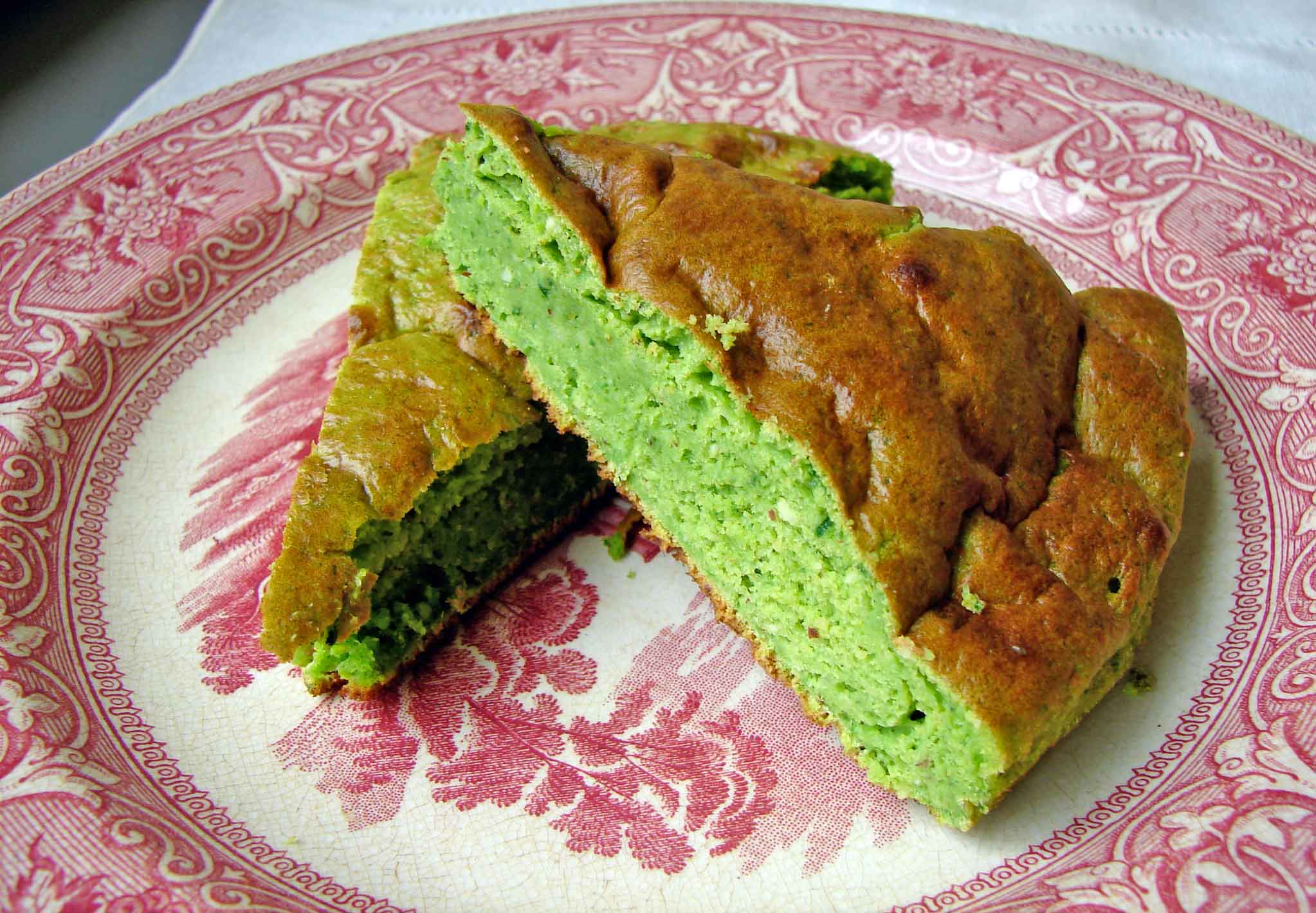
Last week I mentioned Joan Aiken’s Go Saddle the Sea, and I quoted a passage in which she mentioned a pastry cake with salt sprinkled on top. Well! That image, of a pastry cake with salt sprinkled on top, has haunted me ever since. What is a pastry cake? I can’t find a recipe for one anywhere. Is it pastry or is it cake? I could just see it! I could just taste it! So I decided to make it. I made a pastry type of dough, with mostly butter and flour, but I added an egg and some vanilla and leavening. Then I rolled it into thin layers, stacked on top of one another, to give it an airiness of sorts (I hoped). Then I made a filling of ground almonds, bittersweet chocolate, cinnamon and sweetened condensed milk, because I thought it would be nice and dark and spicy and caramelly, and go well with the salty top. I was so pleased with this stupid cake. I took it out of the oven and it was love at first scent. It smelled sweet and complicated. It has a pleasant weight, but felt a bit hollow, too, which was a good sign because I was worried it wouldn’t have cooked all the way through and would be damp and unpleasant. I waited a while to cut into it, in a fever of anticipation and worry. It’s lovely! It’s like a big cookie with a wonderful filling, and a top crusty with sparkling sugar and salt. I’m very happy about it!

Here’s Darn That Dream by Billie Holiday, which I used in one of my first short films.
Continue reading

Spinach and mozzarella cake

Spinach mozzarella cake

Spinach mozzarella cake

“I think all theories are suspect, that the finest principles may have to be modified, or may even be pulverized by the demands of life, and that one must find, therefore, one’s own moral center and move through the world hoping that this center will guide one aright.”- James Baldwin
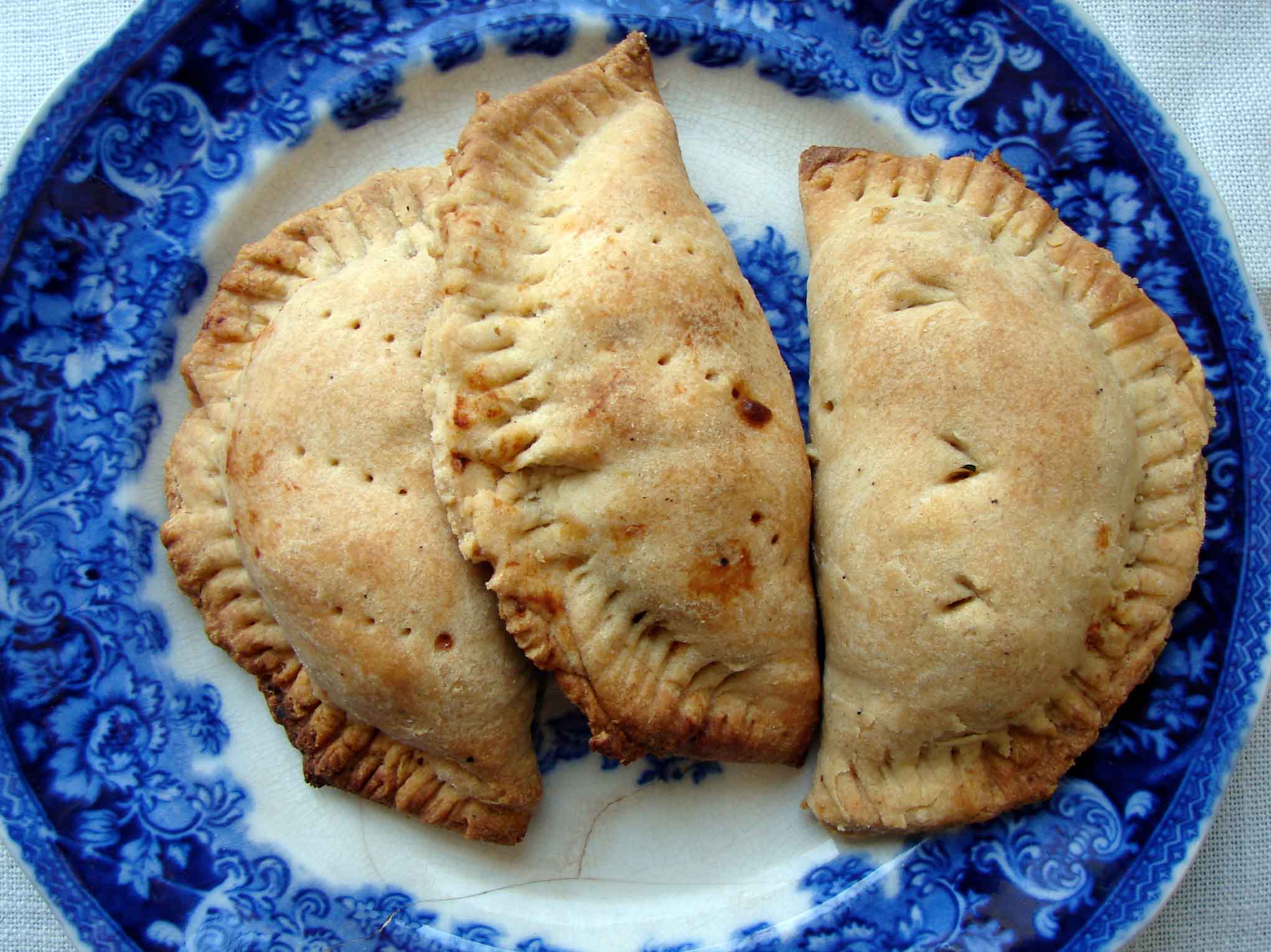
Well, I love this quote! I’d been thinking about these things – the mutability of morality, the shifting quality of truth, the unreliability of words. It struck me as so similar to Emerson’s “A foolish consistency is the hobgoblin of little minds, adored by little statesmen and philosophers and divines. With consistency a great soul has simply nothing to do. He may as well concern himself with his shadow on the wall. Speak what you think now in hard words, and to-morrow speak what to-morrow thinks in hard words again, though it contradict every thing you said to-day” (Thank you, universe, for making everything connect.) I’ve said it before and I’ll say it again – I’m a very vague person, I’m blurry at the edges, and I see the world this way. I think it’s dangerous to decide the world is a certain way, and that we have to act in a certain way in the world, according to a strict set of rules. The idea that morality should come from within – that we need a core of strength despite the fact that the outlines are shifting – is so hopeful about humanity, but it’s a little frightening, too. It would be a comfort to believe that there’s some larger system to decide right and wrong – to reward the good and punish the wicked. But how often have these ideals been corrupted by the people that claim to interpret them for us? How dangerous it is to stubbornly hold onto conclusions to the point where we act out of habit, thoughtlessly, without consideration. How much better to constantly question, to actively seek answers, even though they might not exist in any definitive form, or they may shift and change the moment we catch up to them. And to struggle to express ourselves and share our thoughts, even though the words themselves are as transparent and mutable as water. The world is constantly changing, time is streaming by us, we’re never grown-up, we’re never done. It’s a silly notion, but I have a dream-like image of people as spirits, moving through the world, with some sort of light of truth inside of them, burning strong. What nonsense I’m spouting today! What extra-special foolishness! Happy shrove tuesday! A day that we confess our sins and eat pancakes! I like the idea of pancakes as absolution. I know it doesn’t quite work that way, but it’s a nice notion, anyway. I believe the original habit of pancake-eating on shrove Tuesday began as a way to use up all the fat and sugar in the cupboard before then lenten fast began. Or, more likely, it was because it was February, and everybody wanted something simple and comforting. Like this Seussically green, fat, cheesy pancake! We had some saucy chili left over, and I wanted something to eat it with. Something the boys would like, that would contain vegetables and protein, but in a non-objectionable way. And so we have this cake. It has some almonds, for flavor, texture and protein. It’s got flavorful herbs, it’s got a bit of cheese. And it’s BRIGHT GREEN for spring. After all, supposedly “lenten” comes from the old English for long, because the days are getting longer at the moment, and have such a hopeful light about them!

Here’s The Meters with Mardi Gras Mambo.
Continue reading

Empanadas with potatoes, black beans, spinach and smoked gouda

Potato and black bean empanadas

Potato and black bean empanadas

We saw the most beautiful movie the other day – The Maid, written and directed by Sebastian Silva. It isn’t stylistically gorgeous – it has the look of home videos from a decade or so ago – it is emotionally beautiful – full of honesty and grace and sly humor. Raquel, played by Catalina Saavedra in a remarkably precise, powerful and restrained performance – is the live-in maid for a middle class family in Chile. She’s been with them more than half of her life, their world is her world. She roams the house when everybody is gone, with vacuum and duster, but she has dominion over only a tiny portion, a cell-like bedroom that looks out onto the kitchen. She loves the family, and they love her, but with a stunted, confused sort of love that cannot express itself in real affection. She’s started to have horrible headaches and dizzy spells, so they decide to hire somebody to help her, despite her protestations. With a devastating blow of well-meaning cruelty, they give the new “girl” care of the kitchen and the food, thus taking away the source of Raquel’s comfort and power, the nexus between two worlds. This is the space where Raquel has control, where she is vitally important, the space from which she nurtures the family. When this is taken away from her, she doesn’t make life easy for the new maids, and the script cunningly plays on our expectations to suggest that we’re going to follow Raquel into a world of darkness and depravity. The manner in which these expectations are gratified or denied is a source of great film-watching joy, so I can’t say too much more without spoiling the film. I’ll just say that a few moments of exquisitely portrayed human connection, in all of its poignant confusion, happiness, and sorrow made this simple, understated tale of an ordinary woman one of the most powerful films I’ve seen in a long while. Honestly, I’ve put off writing about it all day because I can’t do it justice!

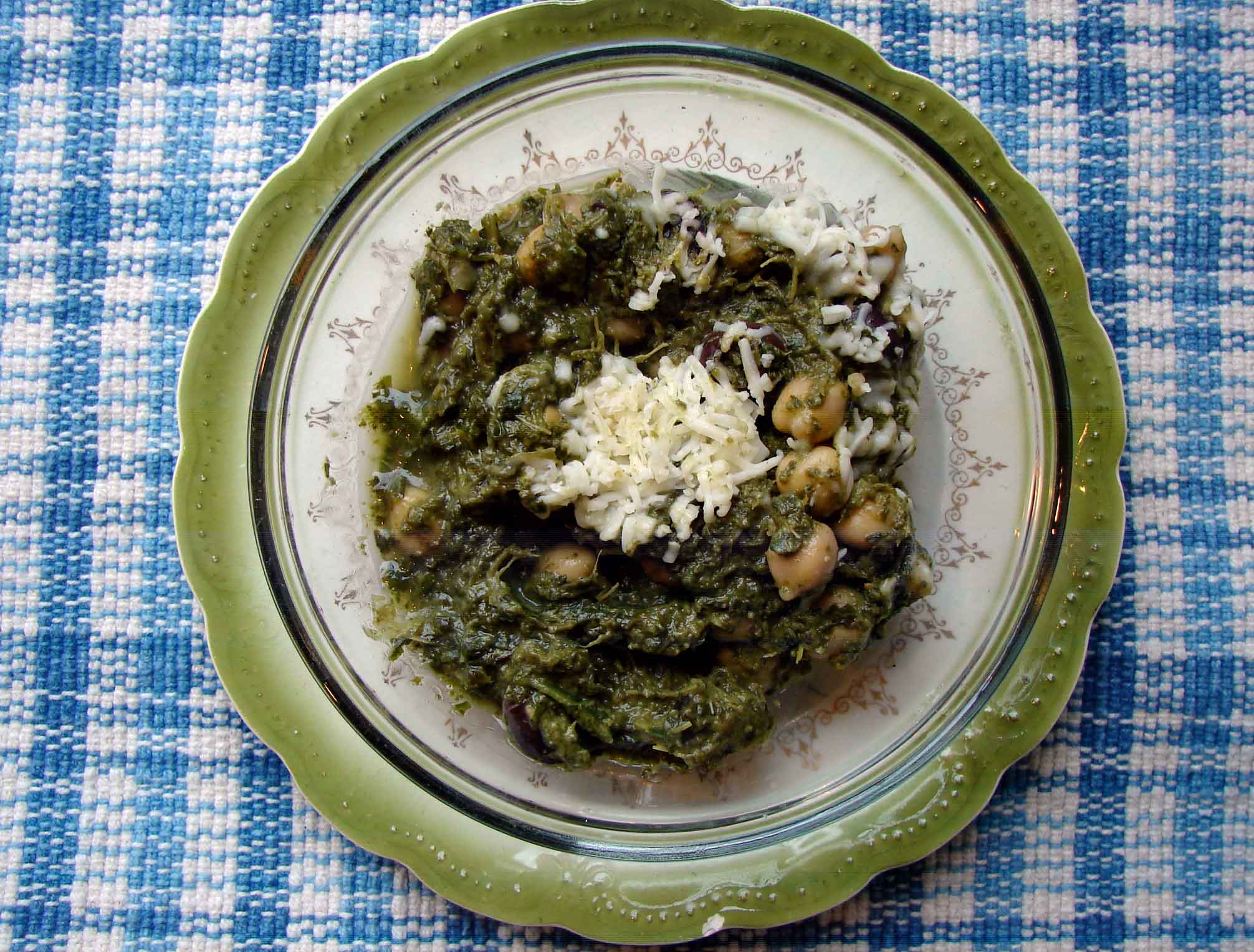
I know they have empanadas in Chile, but I don’t suppose they have any like these! I thought of them as a sort of cross between samosas and empanadas. So they have potatoes and peas (comforting and bright!) and they have smoky paprika, smoked gouda, spinach, and earthy black beans. The crunchy crust is made with masa harina, cayenne and black pepper. These were really delicious! I felt proud of them, and happy with the combination of flavors.

Here’s Ayayayay by Pedro Piedra from The Maid’s soundtrack.

And here’s Promesas by Los Mono, which is a video I was very taken with a few years ago. Turns out Sebastian Silva is Los Mono! Who knew?!?!
Continue reading
Savory french toast (with truffle butter) and broccoli rabe pesto purée with chickpeas

Broccoli rabe pesto purée

Broccoli rabe pesto purée

Yesterday we talked about Ivan Karamazov’s devil, and it got me thinking about the long tradition of imaginary friends in film and literature. Ghosts, angels, devils, goblins, spirits, pookas – each representing something important for the character they befriend. These phantasms are concocted from a little kernel of conscience, or guilt, or fear, or loneliness. Sometimes others see them, sometimes they don’t, they’re shifting and dreamlike, and they operate according to their own rules. They’re wise or bewildering, in turn; they speak in riddles, they speak a questionable truth, changing and suspect, like all truths. They’re a nuisance, but they can’t be denied. You can’t accuse them of being a bit of underdone potato and say you’d really rather get back to bed. We’ve got Hamlet’s ghostly father, Macbeth’s ghostly dinner guest, poor Ebenezer Scrooge’s ghost and three spirits, Elwood P Dowd’s giant rabbit, and, of course, George Bailey’s guardian angel. Jimmy Stewart seems to have a thing for imaginary friends! I love these last two examples because they remind me most of Ivan’s devil, in that their relationship with their friend is oddly human – frustrating, complicated, and even humorous at times. Harvey is so well-written! We watched it recently, and I’d forgotten just how full of poetry it is! Elwood, of course, is a very ordinary man, but he’s let go of the reality that held him back, and now he’s in a sort of blissful state of pleasantness. “Well, I’ve wrestled with reality for 35 years, Doctor, and I’m happy to state I finally won out over it…Years ago, my mother used to say to me, she’d say ‘In this world, Elwood, you can be oh so so smart, or oh so pleasant.’ Well, for years I was smart… I recommend pleasant.” His pleasantness shines out of him as a sort of beam, and his thoughtfulness and kindness confuses but pleases everyone around him. He sets his world aglow with his kindness – touching off the same sort of warm light in everyone he meets. “Harvey and I sit in the bars… have a drink or two… play the juke box. And soon the faces of all the other people they turn toward mine and they smile. And they’re saying, ‘We don’t know your name, mister, but you’re a very nice fella.’ Harvey and I warm ourselves in all these golden moments. We’ve entered as strangers – soon we have friends. And they come over… and they sit with us… and they drink with us… and they talk to us. They tell about the big terrible things they’ve done and the big wonderful things they’ll do. Their hopes, and their regrets, and their loves, and their hates. All very large, because nobody ever brings anything small into a bar. And then I introduce them to Harvey… and he’s bigger and grander than anything they offer me. And when they leave, they leave impressed.” And then there’s Clarence, George Bailey’s guardian angel. “That’s what I was sent down for. I’m your guardian angel.” “I wouldn’t be a bit surprised…you look about like the kind of an angel I’d get.” His angel is just like he is! Disappointed, kind, well-meaning but baffled. They need each other, they’re connected, and they’re oddly good friends.

So today’s Sunday Collaborative Playlist is on the subject of ghosts, devils, angels and spirits. Some sort of interaction with a human would be nice, but a good song is a good song! I’ll make it collaborative, so feel free to add what you like. I think it’s a very good list, so far! It would make a good soundtrack for a halloween party! And for bonus points, can you think of any other examples of imaginary friends in film and literature? I’ve been racking my brain for a few that are just on the edge of my memory.

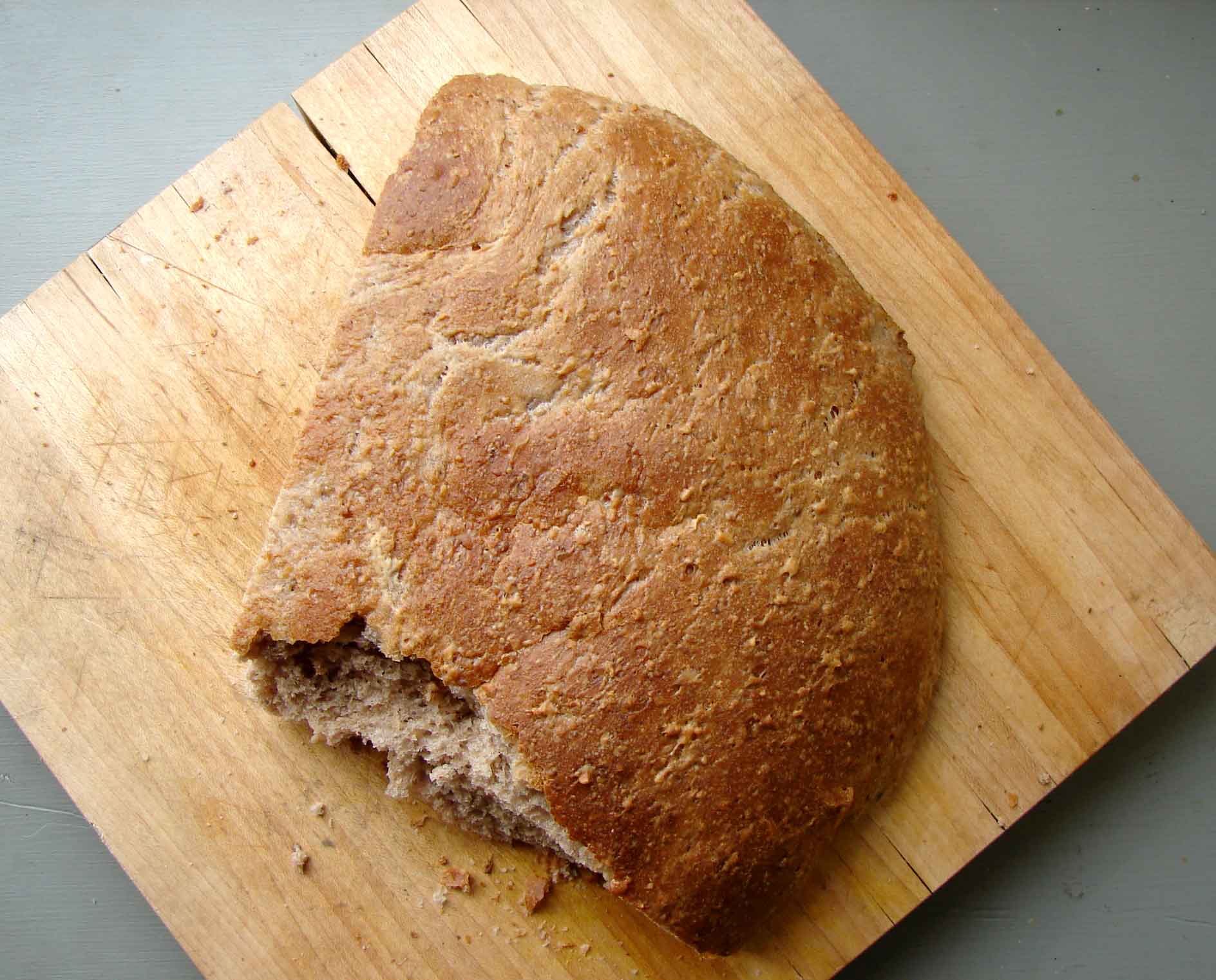
We made savory french toast out of the honey oatmeal walnut bread. We spread it with a bit of truffle butter, scattered a little mozzarella cheese on, so that it melted, and then topped it with pureed broccoli rabe and pesto mixed with chickpeas and olives. It was delicious! So delicious that I don’t have a piece of french toast left to photograph. I wasn’t going to tell Malcolm he couldn’t have another piece, just so I could save it for a picture! That would be crazy! This was a quick, easy, satisfying, comforting winter meal. I added a little smoked paprika and rosemary to the french toast, which was nice. This would work with any bread you like, and it would be fine without truffle butter, although that did add a beautiful facet of flavor.

Here’s the Angel/devil/ghost/spirit playlist so far!
Continue reading
Honey oatmeal walnut bread

Oatmeal walnut bread

Oatmeal walnut bread

Today, friends, I’d like to talk about one of the most singular applications of ordinariness that I’ve come across. I refer, of course, to Ivan Karamazov’s devil. Here he is…

    This was a person or, more accurately speaking, a Russian gentleman of a particular kind, no longer young, qui faisait la cinquantaine, as the French say, with rather long, still thick, dark hair, slightly streaked with grey and a small pointed beard. He was wearing a brownish reefer jacket, rather shabby, evidently made by a good tailor though, and of a fashion at least three years old, that had been discarded by smart and well-to-do people for the last two years. His linen and his long scarf-like neck-tie were all such as are worn by people who aim at being stylish, but on closer inspection his linen was not overclean and his wide scarf was very threadbare. The visitor’s check trousers were of excellent cut, but were too light in colour and too tight for the present fashion. His soft fluffy white hat was out of keeping with the season.

    In brief there was every appearance of gentility on straitened means. It looked as though the gentleman belonged to that class of idle landowners who used to flourish in the times of serfdom. He had unmistakably been, at some time, in good and fashionable society, had once had good connections, had possibly preserved them indeed, but, after a gay youth, becoming gradually impoverished on the abolition of serfdom, he had sunk into the position of a poor relation of the best class, wandering from one good old friend to another and received by them for his companionable and accommodating disposition and as being, after all, a gentleman who could be asked to sit down with anyone, though, of course, not in a place of honour. Such gentlemen of accommodating temper and dependent position, who can tell a story, take a hand at cards, and who have a distinct aversion for any duties that may be forced upon them, are usually solitary creatures, either bachelors or widowers. Sometimes they have children, but if so, the children are always being brought up at a distance, at some aunt’s, to whom these gentlemen never allude in good society, seeming ashamed of the relationship. They gradually lose sight of their children altogether, though at intervals they receive a birthday or Christmas letter from them and sometimes even answer it.

    The countenance of the unexpected visitor was not so much good-natured, as accommodating and ready to assume any amiable expression as occasion might arise. He had no watch, but he had a tortoise-shell lorgnette on a black ribbon. On the middle finger of his right hand was a massive gold ring with a cheap opal stone in it.

This is Ivan’s devil, who may or may not be a figment of Ivan’s fevered imagination. He’s an extremely ordinary fellow! He doesn’t have the decency to wear horns and a cloak, like a devil should. He’s shabby, and dull and embarrassing. Ivan hates him with a passion, he represents everything Ivan despises – everything within himself he hates, facets of his boorish father and elements of Russian society that Ivan disdains. Ivan calls him stupid and foolish, which is the worst thing a person could be, to Ivan. And yet his devil is not stupid at all. He’s extremely clever, of course, because he’s part of Ivan, he shares Ivan’s brilliance. He’s articulate, even witty, and it’s obvious that Ivan has a strange delight in talking to him – in testing him and trying to catch him out, in trying to untangle his devilish riddles. Ivan has met his match, and it is piquant to him, it pierces him almost to madness. He’s sure this devil has the answers to all of his questions, all of the questions that won’t let him rest. It’s such a strange, nightmarish, beautiful passage. The devil has Ivan tied in desperate knots, trying to understand if he is real, or merely a figment, and in the end, it seems he’s both. “Yet such dreams are sometimes seen not by writers, but by the most ordinary people, officials, journalists, priests…. The subject is a complete enigma. A statesman confessed to me, indeed, that all his best ideas came to him when he was asleep. Well, that’s how it is now, though I am your hallucination, yet just as in a nightmare, I say original things which had not entered your head before. So I don’t repeat your ideas, yet I am only your nightmare, nothing more.” In an odd way, it makes you understand and love Ivan better. He’s depressed, and he’s not sure why, but you know that he feels love as well, which is something he would deny, and that he’s almost frantcially hopeful despite his cynicism. I wonder what my devil would be like, made up of all of the parts of myself and the world around me that I hate and fear. Maddeningly ordinary, no doubt, but very dull as well. Probably better not to think about it!
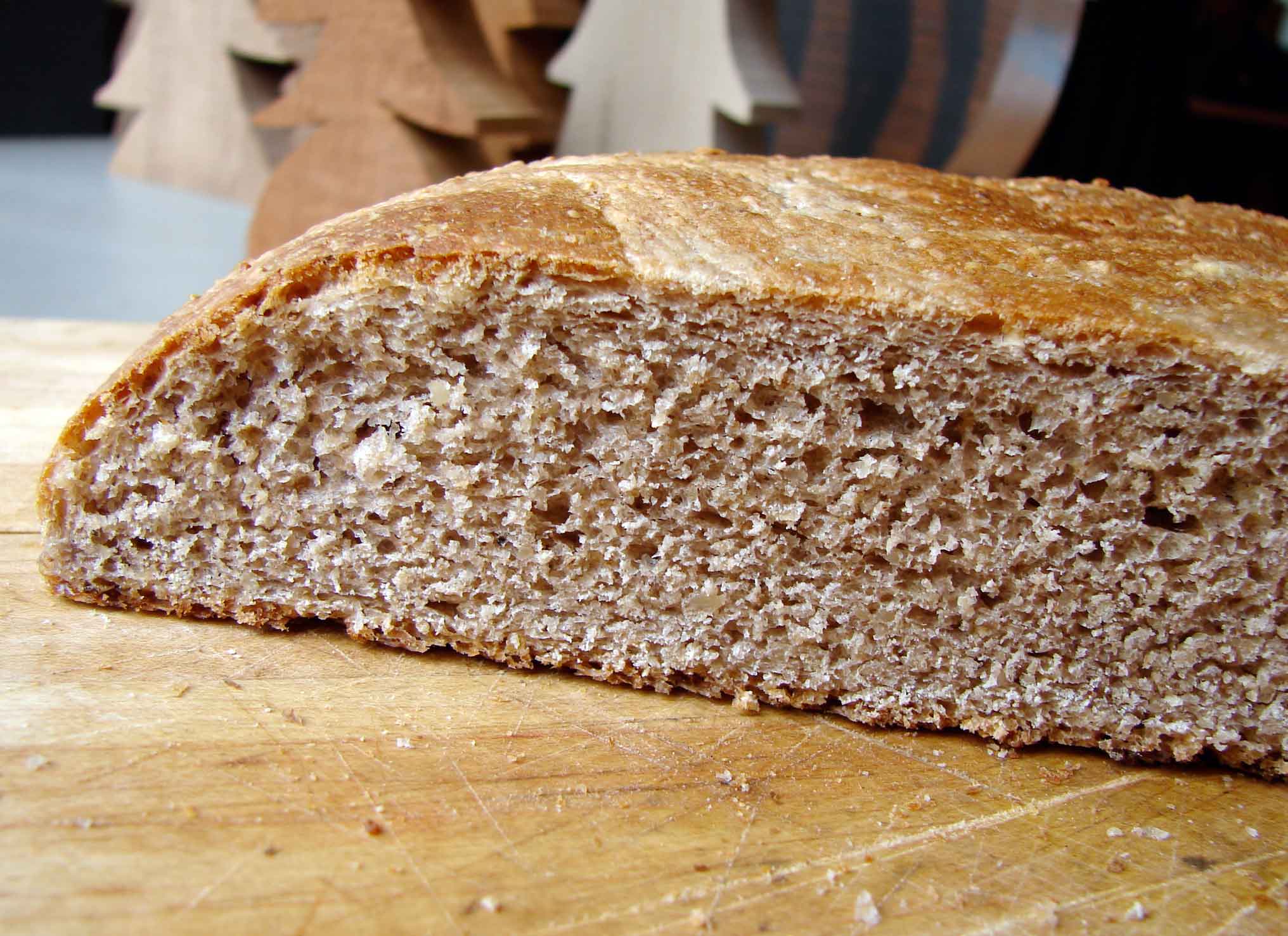
Honey walnut oatmeal bread

Honey walnut oatmeal bread

This bread was very nice, I thought! Subtle. It has walnuts and oats, both toasted, but they’re ground to a fine crumbly consistency, so they don’t overwhelm the bread. It’s got a touch of honey, a touch of black pepper, so it’s a little sweet and a little spicy. Very good with soup, very good toasted the next day with cinnamon sugar, and lovely made into savory french toast, which I’ll tell you about another time.

Here’s Andrew Manze playing Tartini’s Devil’s Sonata.
Continue reading

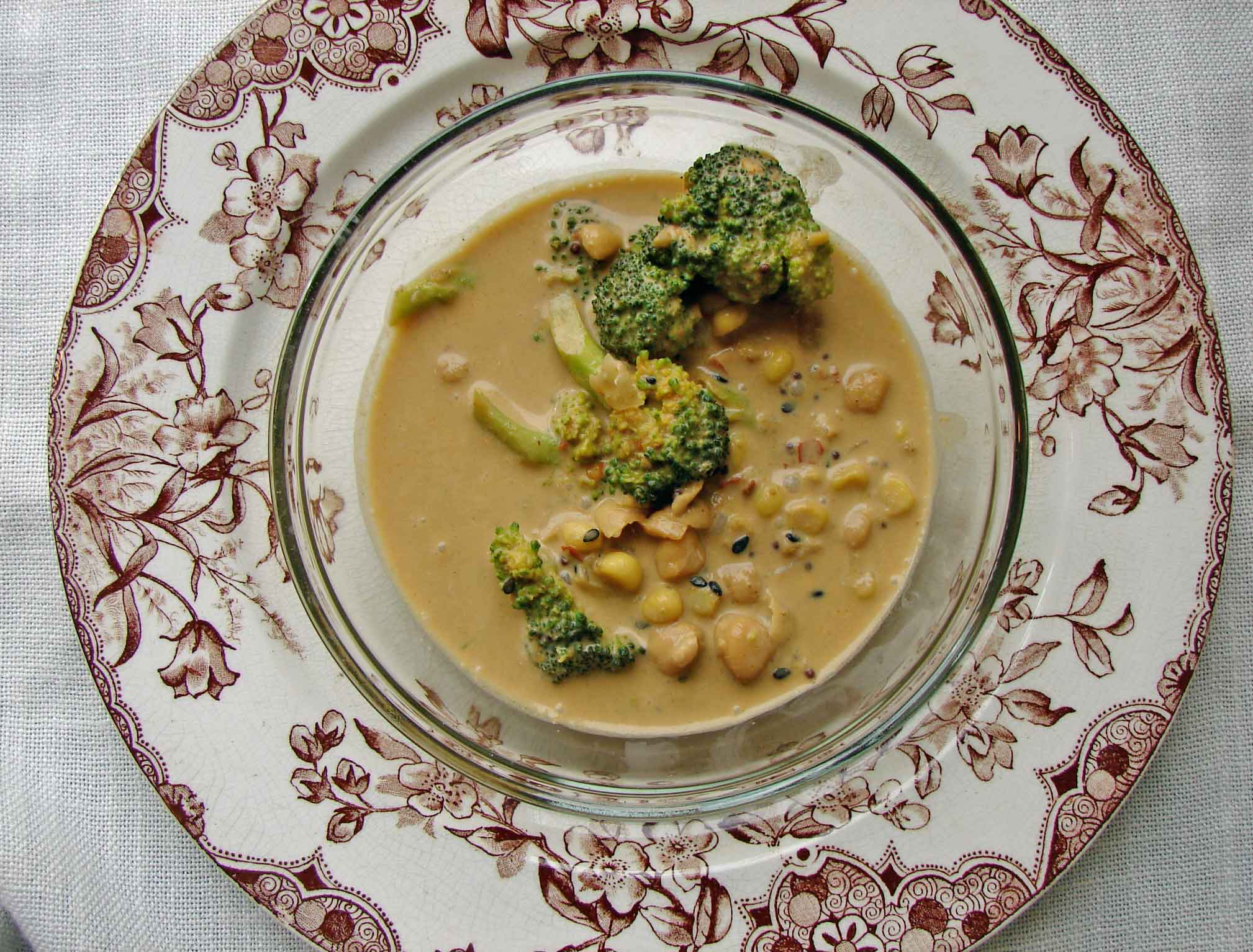
Broccoli and chickpeas in coconut curry sauce

Broccoli chickpea coconut curry

Broccoli chickpea coconut curry

Well! I’ve finally finished Brothers Karamazov, and to celebrate we’re going to have a party. I sent Malcolm to the store and I told him to tell the shopkeeper that Claire sends her greetings, “and will be there directly…. But listen, listen, tell them to have champagne, three dozen bottles, ready before I come, and packed as it was to take to Mokroe. I took four dozen with me then…they know all about it, don’t you trouble…Stay, listen; tell them to put in cheese, Strasburg pies, smoked fish, ham, caviare, and everything, everything they’ve got, up to a hundred roubles, or a hundred and twenty as before…. But wait: don’t let them forget dessert, sweets, pears, watermelons, two or three or four — no, one melon’s enough, and chocolate, candy, toffee, fondants;” That being vegetarian versions of smoked fish and ham, of course! And David said I have to write a twenty page paper on the book, so I’ll share that here, shall I? Ready? Do you have your glass of tea and plate of salted fish and cherry jam? Let’s begin! I’m kidding, of course! No scholarly paper. However, I read that Dostoyevsky had intended to write a sequel about the life of Alyosha, but he died before he had the chance. So I’ve decided to take it upon myself to complete the task. A bit of Karamazov fan fiction, if you will. Of course, we’re going to sex it up a bit for our modern audience. No tortured discussions about spirituality or morality – there’s just no market for that these days. Instead, it’s all going to go like this… Lise, of course, is a vampire. Weak, pale, pretty and wicked, what else could she be? But she’s one of those sparkly vampires. And she bites Alyosha, and then dresses him like this, “I should like you to have a dark blue velvet coat, a white pique waistcoat, and a soft grey felt hat….” And then Alyosha, instead of wandering around trying to solve everybody’s problems and worrying for their souls, will solve all their problems by relieving them of their souls, and turning them, too, into sparkly vampires. Meanwhile, Dmitri’s attempt at escape from prison (which will be described in nail-bitingly extensive detail) will fail, and he’ll be sent to Siberia in exile. But this won’t be a dull, workaday work camp kind of story. Oh no! It will be subtitled Survivor: Siberia, and will tell the tale of a bevy of lordly types roughing it in a grand competition in the frozen wastes of Siberia. They’ll be voted out of exile one at a time, until the winner remains alone. Sadly, he’ll still be alone in exile for twenty years, which will be dull, so we’ll forget all about him. And Ivan, broody young Ivan, will provide the comic relief, as he sets up an apartment with his pesky devil, and they bicker humorously about whether or not either of them exists! Until, of course, he’s turned into a vampire by Lise and then… Well, I confess I haven’t figured out how to end it yet. Something big! Something thrilling! Leave them wanting more! Yes. Actually, I feel a little irreverent for speaking of Brothers Karamazov in this way! It touched me very deeply, and gave me much to think about, and I feel such genuine affection for Dmitri, with his wild impulsive ways and his generous heart, Ivan, with his oddly hopeful despairing cynicism, and, of course sweet, honest, strong Alyosha.

So, broccoli, chickpeas and corn in a curried coconut sauce. This was delicious! And every member of the family liked it and ate several helpings, and I ate the leftovers cold before bed one night. It struck me that the mix of ingredients and spices was a little odd, but I liked them all together. It’s a little sweet, a little spicy, and quite savory all at once. We ate it over basmati rice, and that was nice!

Here’s Saint Behind the Glass by Los Lobos (from Nacho Libre), because it seems to fit!

Continue reading

Mashed potato popovers

mashed-potato-popoversIt feels so good to get your appetite back after you’ve been sick. I love that moment of realization that what I’m experiencing is hunger and not nausea. I like to be hungry – it makes me feel healthy and alive. I know that it’s a privilege to feel this way. Not to feel hunger, of course, which is fairly universal, and is decidedly horrible if you don’t have food for yourself or your family. I know it’s a luxury to enjoy hunger, to know that you have a meal coming – that you have all the food you need and more – and to know that you’ll relish it more for being hungry for it. It strikes me that we complicate hunger these days – we eat when we’re not hungry, we eat more than we want, we have appetite suppressants, for god’s sake! What an insane idea! What an indication that we have too much, that we’d need to simulate sickness to try to make ourselves more healthy. This is one of those times that I look at my boys, and they seem to have it all figured out. They have good appetites, it seems as though they’re always hungry. So they eat what sounds good to them, until they’re full, and then they stop. It’s so simple! It makes so much sense! And it has so little relation to the way most adults eat. It’s harder to earn our food these days. We sit all day at desks or computers, we snack constantly, we don’t “build an appetite.” I love the idea of a healthy appetite – not just for food, but for learning, and living, for ideas and enjoyment and music and art. I like the idea of voraciously reading or writing or drawing or cooking – it seems all connected in our spirit, and when one fades, they all fade. Just as you can be sick in your belly, you can be sick in your soul or your heart or whatever you call the part of you that makes you feel creative and curious and alive. And you can spoil these appetites, too, with too much snacking on all the noise from the computer and the television and the tabloids, so you lose that keen edge of hunger. I’ve read that all animals instinctively know what kind of food they need. If they have some sort of deficiency in protein or a nutrient, they’ll seek out foods rich in those things. Humans must have that, too, under layer upon layer of ideas about what we think is healthy or we’re told we should or shouldn’t eat, under all of the nonsense that passes for knowledge. And we must have this instinct, too, about what we need to feed our minds to make them healthy and alive, so that they can work and grow. Of course, sometimes it’s nice to cuddle on the couch with your ten-year-old son, eating junk food and watching dopey historical dramas! Sometimes that’s what you’re hungry for, and that makes it good for you, too.

I’m better, but I still feel a little blurry in my head today, so I hope you’ll forgive all the nonsense I’ve been prattling! There are some clear ideas under there somewhere. When I first regained my appetite, I wanted soft, mild comforting foods. I wanted mashed potatoes and popovers, and I wanted them all at once! So I combined them. David said that these are the food equivalent of a warm snuggly blanket. They’re flavorful with rosemary and black pepper, they’re soft with mashed potatoes and eggs and cheese, they’re nourishing, and they’re delicious! We ate them with carrot parsnip and apple soup, and it was a lovely meal! They do pop up, but, obviously, not as high as regular popovers, and they deflate pretty quickly. But they still taste lovely!

Here’s Bob Marley with Them Belly Full.
Continue reading
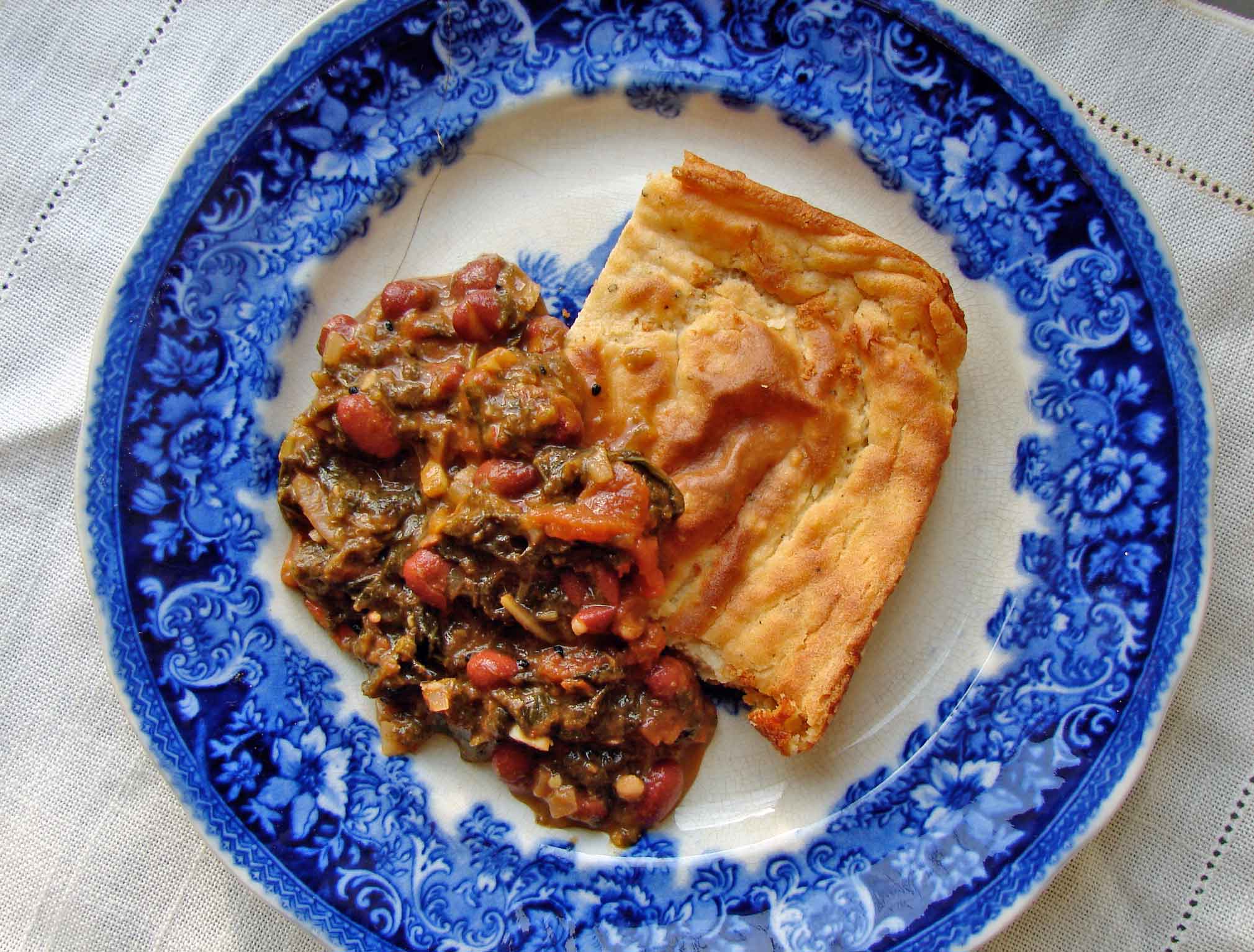
Collards and red beans with smoky masa harina pudding-bread

Masa harina bread and collards

Masa harina bread and collards

So I seem to have brought some sort of stomach bug home from work this weekend. Ug. I feel better now, but I’m tired. I spent yesterday morning in bed with my eyes closed feeling like a big ball of nothing but sick-feeling pain. And then as I started to feel better, I watched the reflection from the windows on the ceiling, and the way it changed like rippling water every time a car passed the house. I felt like I was rocking a little, and the cars sounded like waves as they crashed by in the wet street. Did you know that the word “nauseous” comes from the latin which comes from the Greek for “ship”? I felt like I was on a bright ship lurching along on clear, light, choppy waters. I thought that this would be a good time to really think. Not just about all of the odd figures I saw in the brown patches on our cow-print curtains, but to think about big things, about everything. To form thoughts and connect thoughts, and try to sort things out, and try to remember, and try to plan. It turns out lying in bed fighting off nausea is not a good time to think. I felt very old and not strong enough to fight off a creeping feeling of dispiritedness, and now I feel very tired. And that’s all I’m going to say about that! I’ll talk instead about Joan Aiken, because I love Joan Aiken, and I find her incredibly comforting. Joan Aiken was a writer of brilliant children’s books that never caught on in America, which I think is a crime. Her characters are so lively and engaging, her settings, with their invented historical epochs, so appealing. I love her vast knowledge on small and eccentric subjects – fabrics and styles, music and paintings, nautical matters. And food. Joan Aiken’s books are delicious. She brings her characters into situations of great deprivation – they’re cold, wet, hungry, poor and miserable – and then through some gracefully wrought turn of events, they suddenly find themselves in warmth and comfort, with something tasty and toasty to sooth them. Even the names of the dishes bring solace – pipkins of soup, hampers of pies, and hot possets for all! In the way that certain foods can bring comfort when you’re ill, once you’re well enough to think about food at all, and certain books can bring comfort when your head isn’t so achey you can’t read, Aiken’s warm and timely meals strengthen and console, not just the characters, but the reader, too. Viz: Bonnie and Sylvia are ice skating through the grounds of Willoughby Chase when they find themselves impossibly far from home, with snow falling thick and fast, and wolves gathering in the shadows. What do they do? Take shelter in Simon’s cave, of course! Once they’re snug with his bees and his geese, our lithe and bright-eyed Simon makes them little cakes in the fire. “The boy had separated the fire into two glowing hillocks. From between these he now pulled a flat stone on which were baking a number of little cakes. The two children ate them hungrily as soon as they were cool enough to hold. They were brown on the outside, white and floury within, and sweet to the taste. ‘Your cakes are splendid, Simon,’ Bonnie said, ‘How do you make them?’ ‘From chestnut flour, Miss Bonnie. I gather up the chestnuts in the autumn and pound them to flour between two stones.'” As they’re leaving the cave, “The boy Simon dug in shallow sand at the side of the cave and brought out a large leather bottle and a horn drinking cup. He gave the girls each a small drink from the bottle. It was a strong, heady stuff, tasting of honey. ‘That will hearten you for the walk,’he said. ‘What is it, Simon?”Metheglin, miss. I make it in the summer from heather honey.'” OF COURSE HE DOES! Of course Simon gathers chestnuts in autumn and heather in the summer, and makes lovely restorative cakes and tinctures with them! And I love him for it! I could make a list a mile long of scenes such as this…spice cakes and plum brandy, ginger bread and applesauce, thick comforting chowder. But I’ll give you this bittersweet example, instead. I love Aiken’s Go Saddle the Sea trilogy. It’s so dark and wild and richly imagined; the characters so strong and complicated and bizarre. The central figure, of course, is Felix. He lives in Spain with his cold and unloving grandfather and great aunts. His only friend is Bernadina the cook. Her bustling kitchen is a haven for him, and she shows her love with special treats she prepares for him. When she dies, he visits her kitchen…”It looked as if she had been making herself a merienda just before she had taken ill. A pestle and mortar stood on the big scrubbed table with some chocolate in it she’d been pounding, and a platter held a pastry cake sprinkled with salt, my favorite food. Maybe she was going to sneak it up to me in my room. Now I couldn’t touch a crumb of it.” Poor Felix! One of my very great pleasures, here at The Ordinary, is to bring attention to books and movies and songs that I think should be better known. Joan Aiken is one of those things, in America at least. Put down your sparkly vampires and your derivative wizards, and discover the mad, wild, dark and beautiful world of Joan Aiken. It’s like a warm, restorative, complexly-seasoned posset!

This meal was very comforting in its way. The masa harina bread was soft and dense inside, which is why I think it’s pudding like, and it has the lovely mysterious flavor of masa harina. I love collards! They’re quickly becoming my favorite green. I don’t know why they’re not as popular as kale, but I’d like to announce my campaign to make them so!! Here they’re sauteed with red beans, tomatoes, and lots of lovely spices, like ginger, smoked paprika, and cardamom, to make them spicy, smoky and a tiny bit sweet. Delicious!

Here’s Bessie Smith with Thinking Blues.
Continue reading