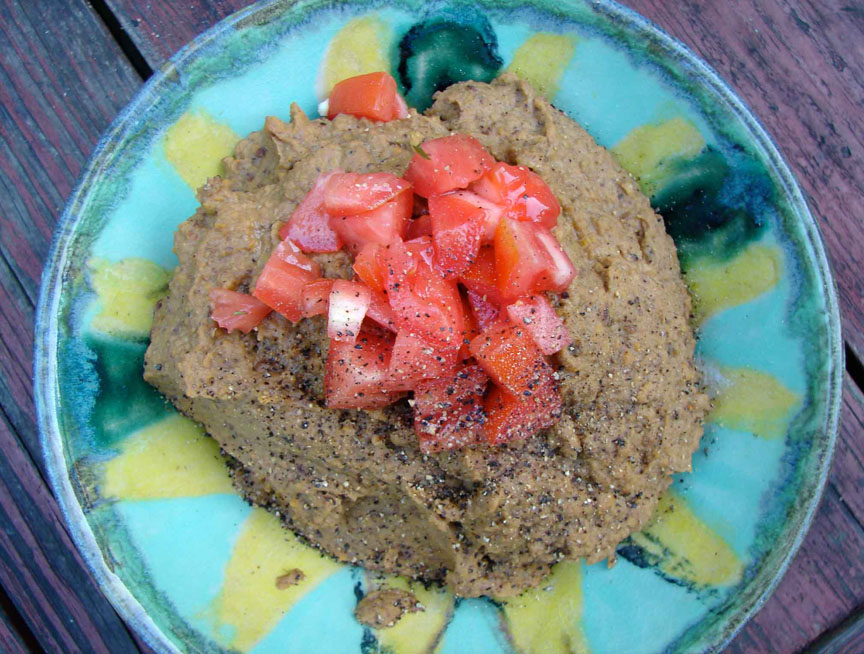
Spicy fava carrot purée
I’m not up to my usual rambling nonsense, so I made a playlist about storms, floods, winds and rain. I’m open to suggestions for songs to add!

caraway flatbread

Spicy fava carrot purée
I’m not up to my usual rambling nonsense, so I made a playlist about storms, floods, winds and rain. I’m open to suggestions for songs to add!
caraway flatbread

Semolina banana cake
So…we had some overripe bananas. I’d just made a sort of traditional banana bread last week, with pears and chocolate chips. It was delicious! I don’t have a picture, but I’ll give you the recipe anyway. I wanted to try something different this time. So I mixed semolina flour into the batter, which gave it a lovely texture – large crumbed and dense, but light and delicate at the same time. And I flavored it with cardamom and ginger. And I added a half cup of coconut milk, which gave it a lovely creaminess and flavor. There’s no actual coconut in the cake, so it’s quite a mysterious and subtle flavor.
Here’s Bob Marley with Rastaman Live Up! Don’t be afraid of the wolf pack!
Continue reading

Gorditas
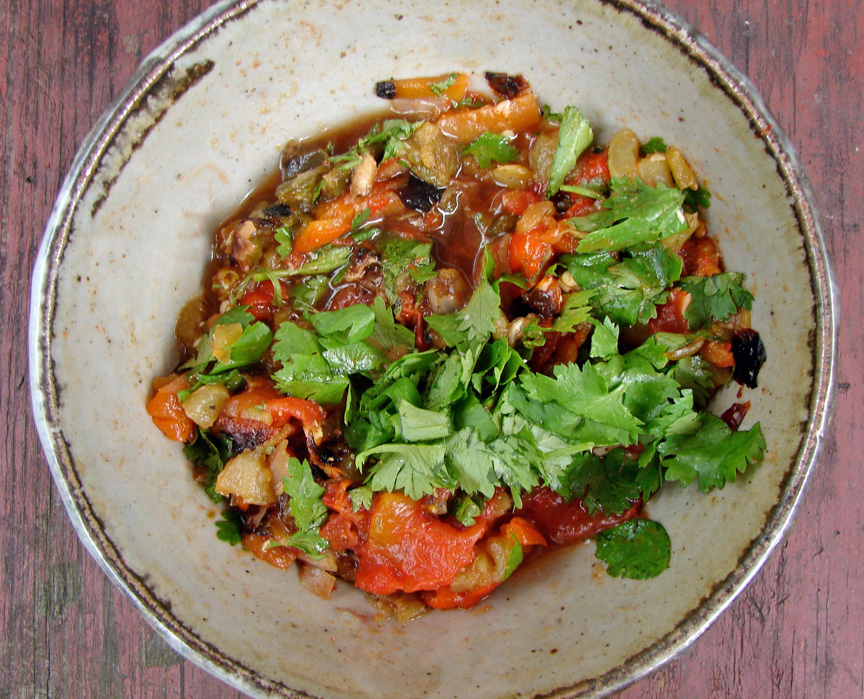
Roasted salsa
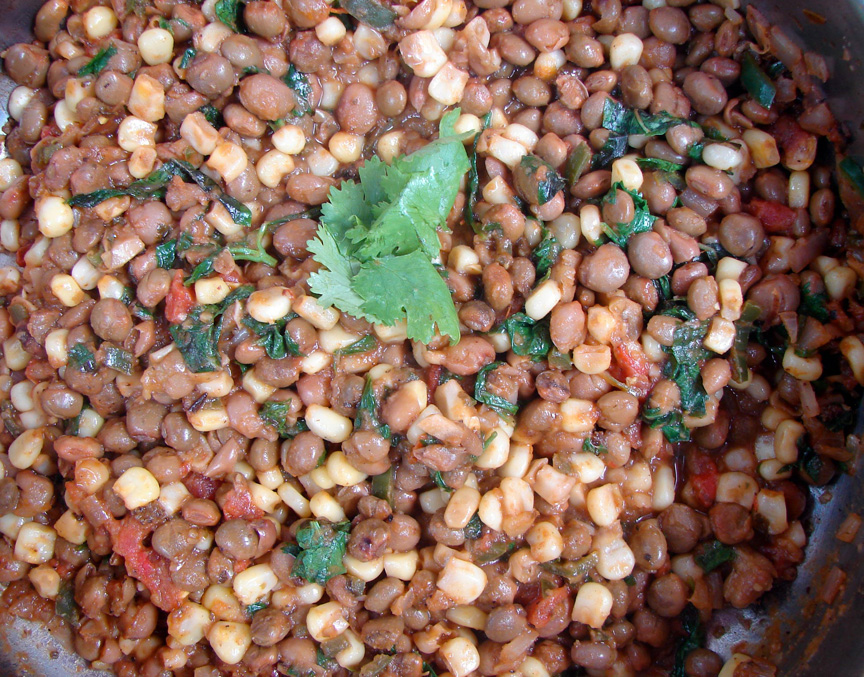
Pigeon peas and corn
Here’s Expectations by Belle and Sebastian.
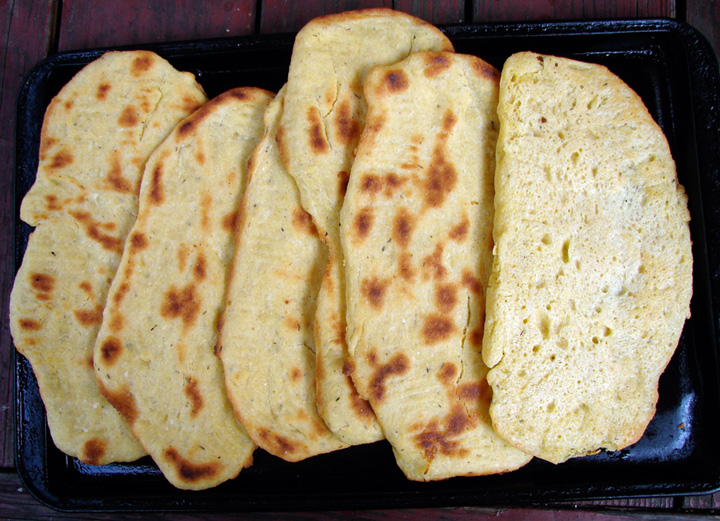
Cornmeal flatbread
I apologize for getting nearly political here. I know it’s not the place. But I feel quite upset about this, so I’ve got to talk about it! You know what’s comforting? Flatbread. Making it and eating it. I made this flatbread with some cornmeal, some thyme, and some mozzarella. I thought it was delicious. A nice crispy/chewy texture. They’re not cheesy, exactly, but they have a nice flavor of cheese, and it helps to make them less dry. The boys loved it, too. We ate it with grilled vegetables, sliced tomatoes, spicy fried potatoes, and a big big salad. It’s not hard to make, but it is one of those pleasant do a little bit all day long types of dish. It was nice fresh with dinner, and nice the next day toasted with scrambled eggs.
Here’s Billy Bragg with The Milkman of Human Kindness
Continue reading
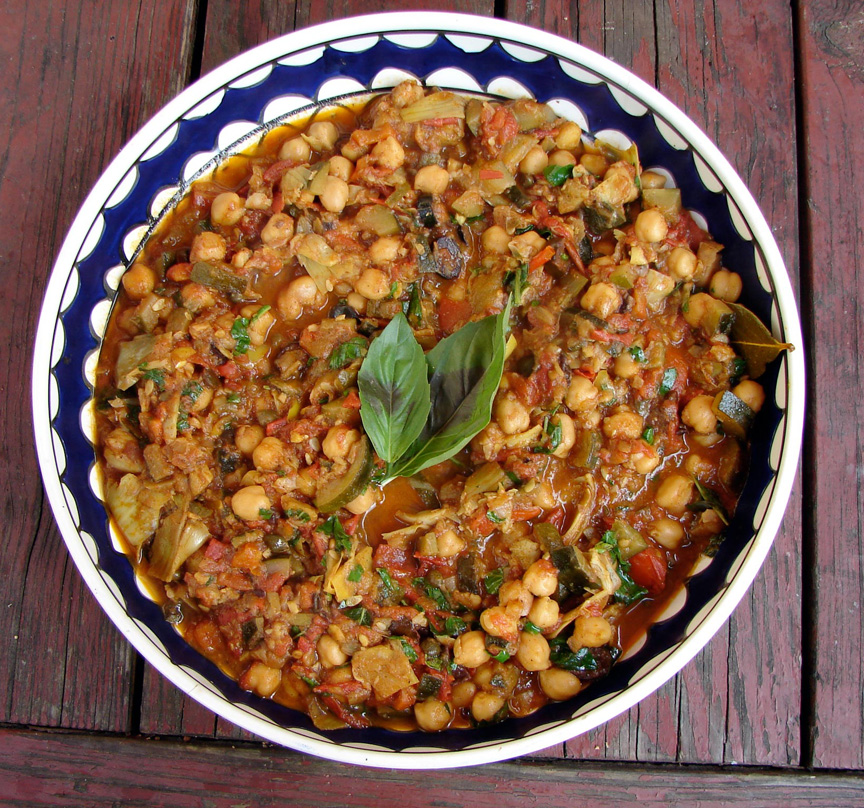
Morrocan chickpea stew
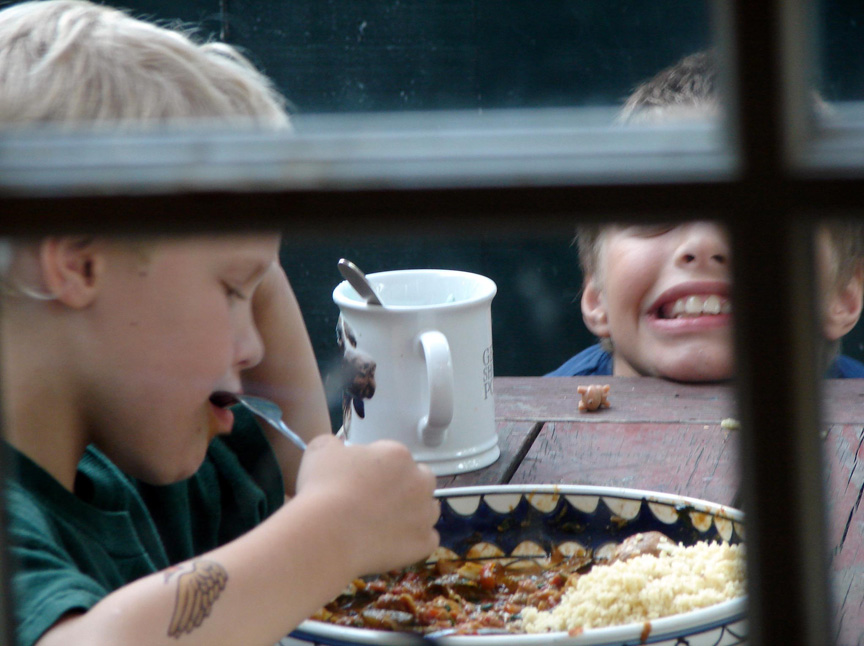
Isaac eats a chickpea
The stew was really tasty, and it’s a good way to use up all your tomatoes, zucchini, and peppers, if you’re sick and tired of ratatouille. It’s not authentically Moroccan-spiced, of course. It’s just that it’s a pleasing mixture of savory spices and herbs, and “sweet” spices and herbs. And the bread! Well, I’d been reading fascinating accounts of Moroccan flatbread, that generally contain semolina, and are folded into all sorts of beautiful fashions. I decided to play around with these ideas, but in one big loaf. It turned out very nice! With a lovely texture and flavor – crumbly, chewy, and satisfying. If you don’t feel like doing all the crazy folding, you could just shape it into a nice round, and leave it at that.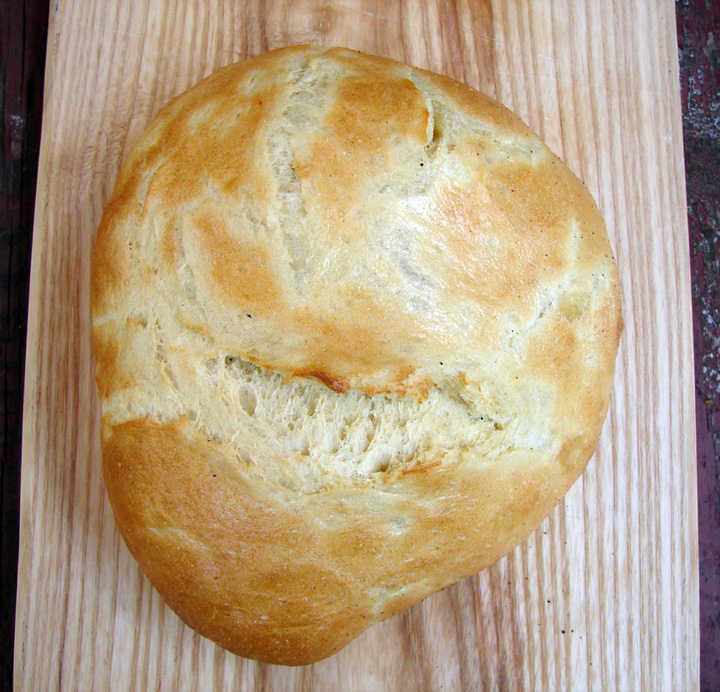
Here’s Peter Tosh’s beautiful I Am that I Am.
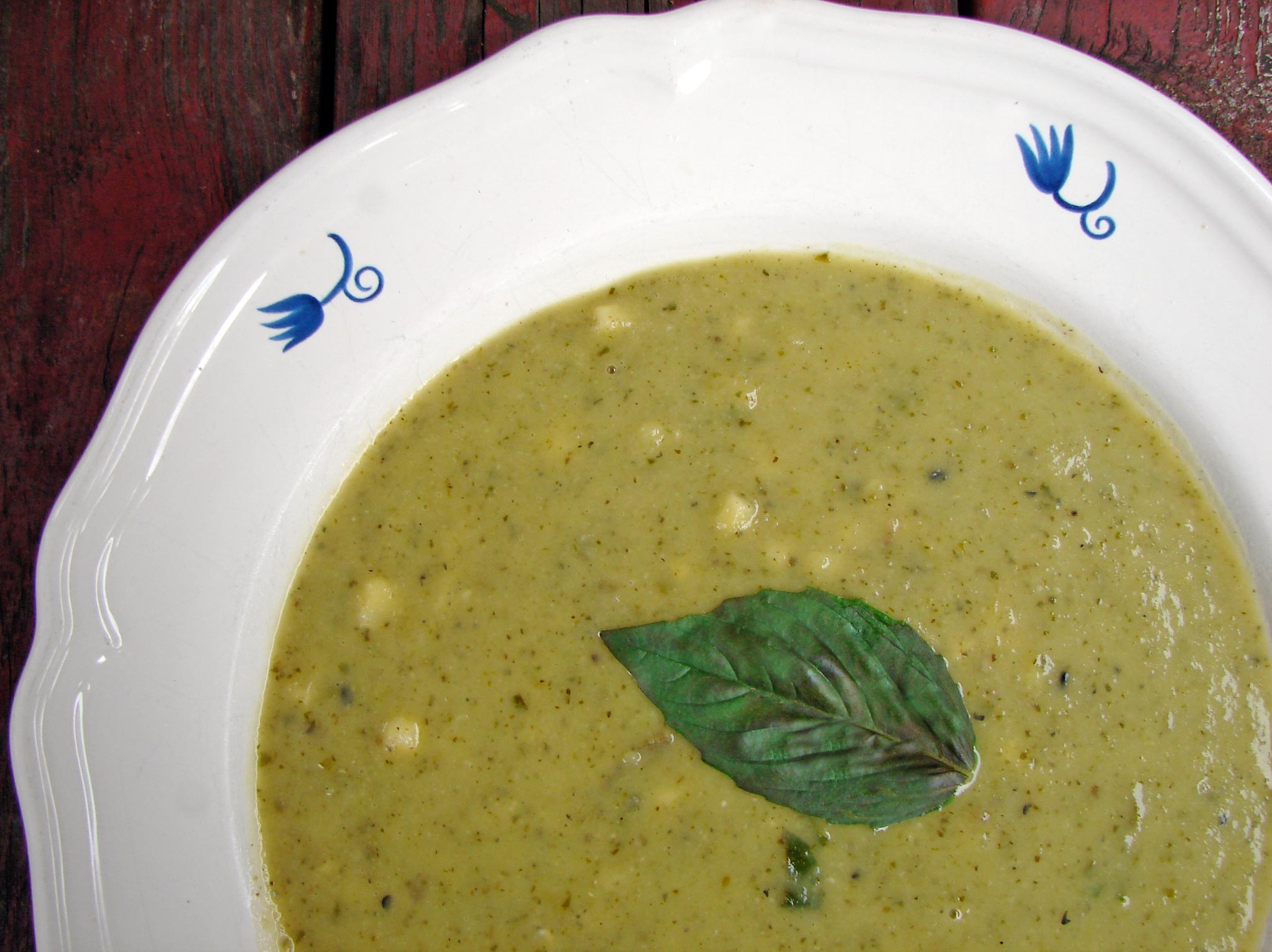
Zucchini corn soup
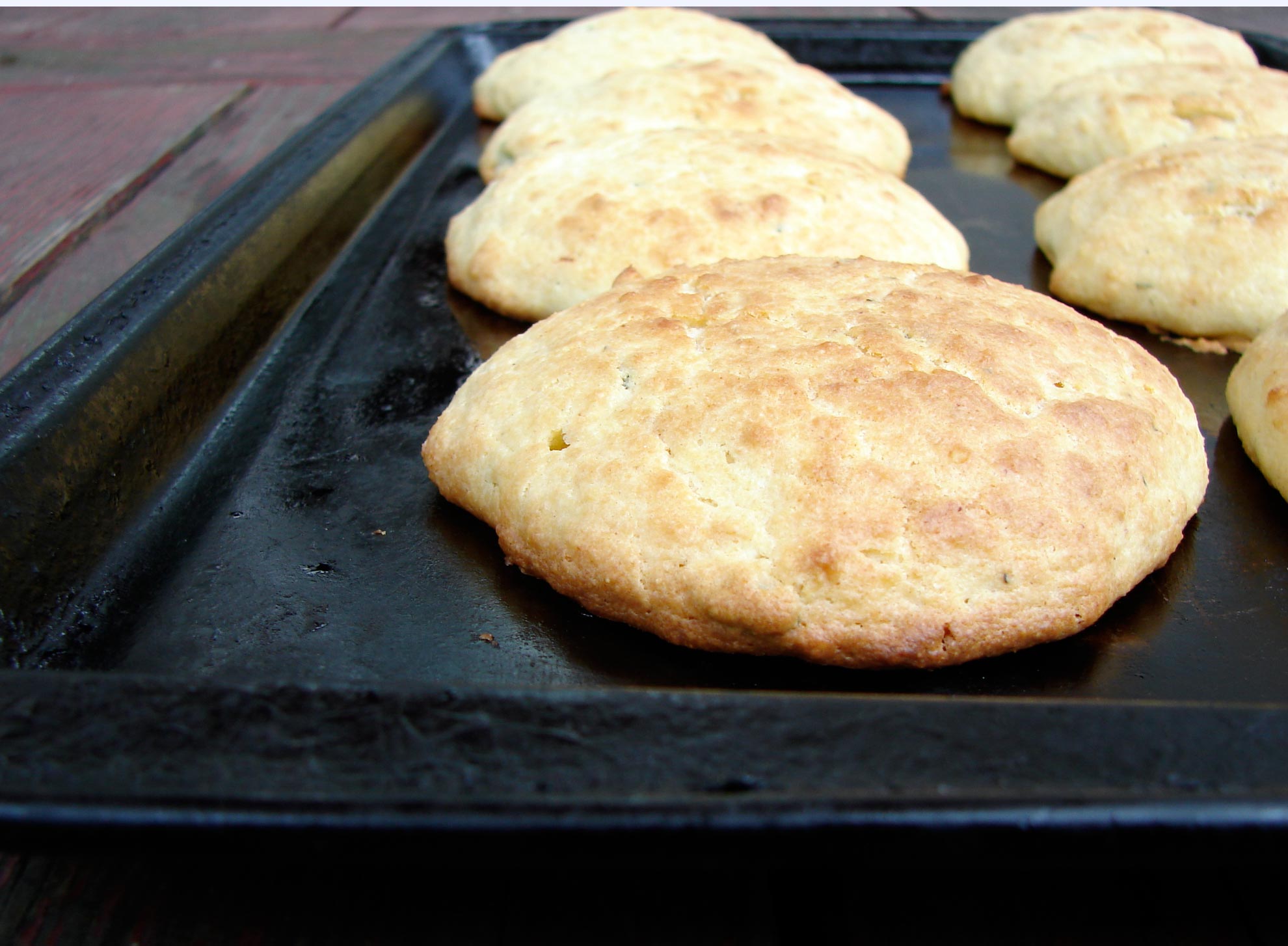
Herbed semolina biscuits
Here’s A Tribe Called Quest with Excursions. “I said, ‘Daddy, don’t you know that things go in cycles.'”
Continue reading

Lemon caper potatoes
Here at the naive political philosophy department of The Ordinary, we are sick and tired of worrying about money. And bills. And not having money to pay bills. We suspect that we are not the only ones who feel this way. We have been applying ourselves to solve the problem.
Here’s how it will go… Everybody will work very hard doing what they love, and they will have as much as they need to live comfortably. We trust that everybody will love to do different things, so the jobs should be nicely distributed. If somebody feels that they don’t love any kind of work, they will go to school for a time until they figure it out. Education should prepare you for a career by helping you discover your passion, and that’s how it will work.
The crappy jobs that nobody wants to do will be divided evenly by everybody, and performed a few hours a day or a few days a week – whatever is necessary and pleasant. Everybody! These jobs generally involve serving people, caring for people, or cleaning up after people, and when everybody has to take a turn at them, we will all develop a love and respect for humanity that will humble and elevate us. You cannot buy your way out of this.
In this way, we will reconsider our societal notions of what is valuable, and of what is successful. If you isolate yourself with more riches than you can use, and accumulate more things than you need, you will not be admired, you will seem foolish. Children are taught not to be greedy, not to want more than everybody else, and we will remember these teachings as adults. Everybody will look into their own heart or soul or stomach – wherever they make important decisions – to decide what they need, including, of course, things that don’t seem strictly necessary, but give pleasure or inspiration. So you might say to yourself, “I would like a half pint of castelvetrano olives, but I don’t think I need an elevator for my car.” This is our plan, and I’m sure you can see that it is the essence of pragmatism, and that it will be extremely practical to implement, and will go off hitch-free, and that nobody can quibble with it in any way.
In keeping with the practicality of this post, we will give you two recipes at once, and both will be for practical things – bread and potatoes. This bread is the best bread that I have ever made! All the other loaves have been preparation for this bread. It is crispy, it has a big open grain – it has holes! It’s chewy, and tasty. I nearly killed my food processor making it!! I’ve been experimenting with wetter and wetter dough, these last few months – to the point that it became very messy to knead with my hands. I was thrilled to get my food processor, because I thought I could use it to knead the dough. It worked, but at some point it seized up! There was a bad smell of burning. The dough was stuck in the food processor, the blade wouldn’t move, the container would not be budged! I scraped all the dough out into a bowl, and everything worked out in the end. I must have left it too long. The other recipe is for a medley of different types of potatoes (from our CSA!) We have red-skinned, white fleshed, golden fleshed. We scrubbed them, cut them in half, boiled them briefly, combined them with olive oil, oregano, capers, olives and lemon juice, and broiled them. Perhaps the most delightful and unexpected part of this recipe is that the capers (or flavor dynamites, as my sons call them) got crispy. Crispy! They’re delicious.
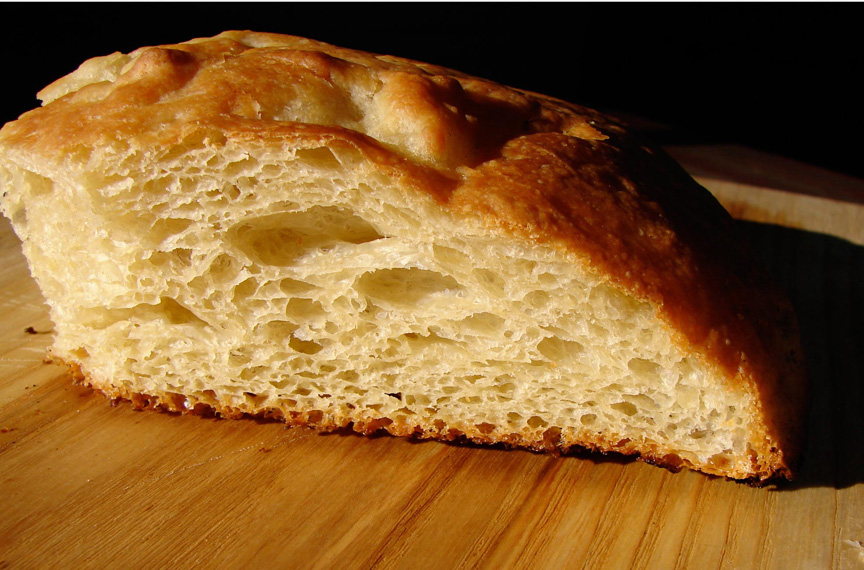
Best bread I’ve ever made!
Here’s The Velvet Underground with Beginning to see the Light. Some people work very hard, but still they never get it right. Ain’t it the truth?
Continue reading
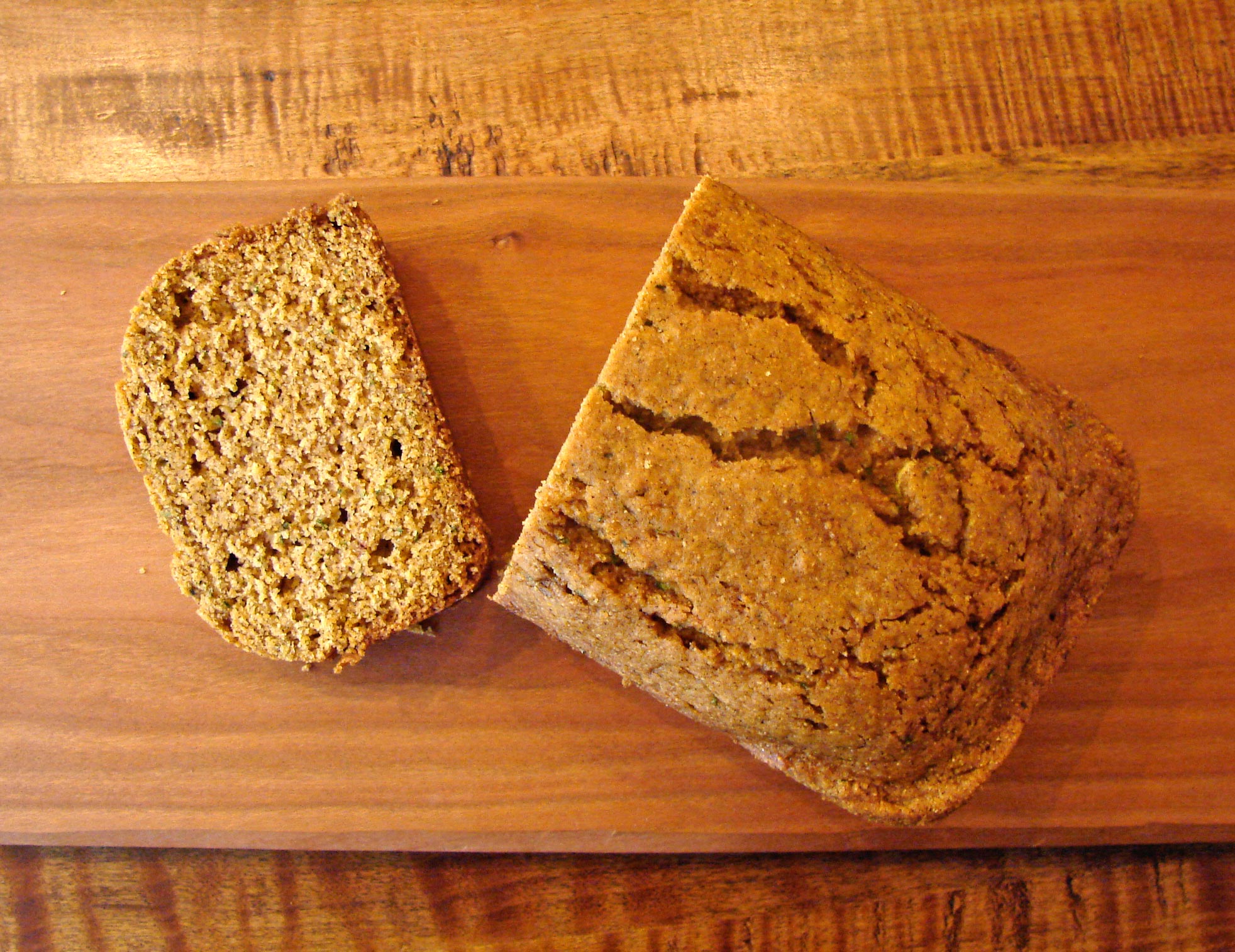
Zucchini corn bread
David really liked this zucchini bread! It’s basically a corn bread, but because corn bread can sometimes be quite dry, I added a grated zucchini to moisten it up. (And, let’s face it, it’s zucchini season – they’re going in everything!) I added a little brown sugar, some cinnamon, and a pinch of cayenne. I think it turned out quite well! A little sweet, with the mysterious flavor of corn, and just enough cayenne that the flavor sort of pops in your mouth. It was also incredibly easy to make – you can mix it together in minutes.
Here’s Talib Kweli’s beautiful Talk to You.
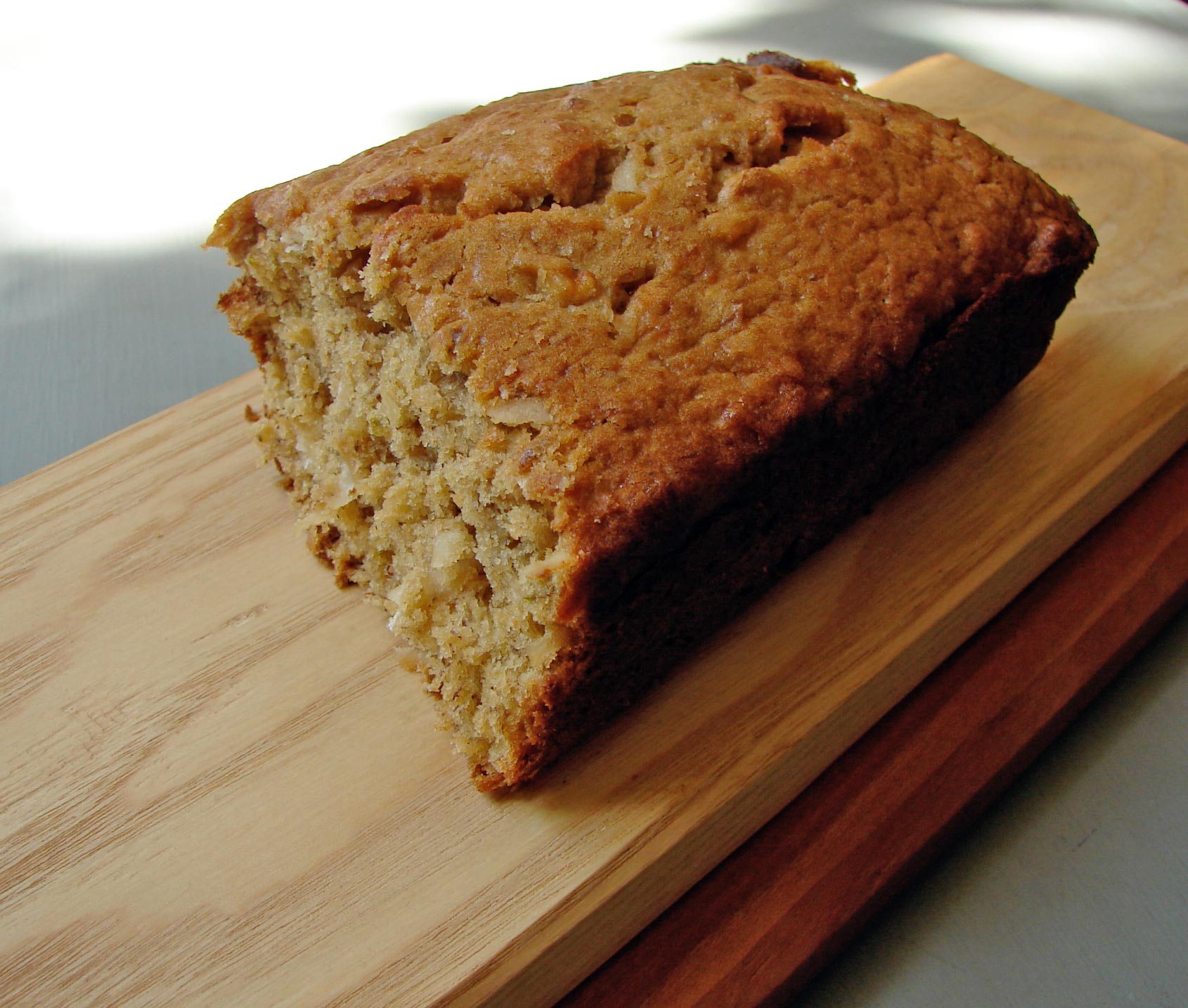
Banana, lime, and coconut bread
Of course, I came to the word through The Ethiopians’ song The Selah. Because “selah” is also a word used by rastafarians. It gives weight and importance to the words that have come before, and it “seals them up.” I love the Ethiopians for their sweet voices and sweet melodies, and I love that I can’t always understand what they’re saying, which makes them mysterious and full of meaning. It’s funny how when the meaning is obscure or indefinable, it feels more like somebody is talking to you, or expressing your thoughts. Selah!
If you’re like us, and you’re having a hot patch of summer, all of your fruit is ripening faster than you can eat it. So you have some extra mushy bananas. Here’s a banana bread with tropical overtones for our tropical heat wave. It’s flavored with ginger, lime, and coconut. It’s very subtly sweet, and the ginger and lime add a little zing. Yes, it’s too hot to bake, but we’re baking anyway, because we can’t not!
Here’s The Ethiopians’ The Selah

French lentils and roasted beets
 Totally beet. It’s got french lentils cooked with a little red wine, orange juice and balsamic; it’s got lovely little roasted beets and shallots; it’s got toasted walnuts, for crunch; it’s got fresh basil, sage, and tarragon, for spring-herb-garden-deliciousness; and it’s got tiny cubes of mozzarella, which get nice and melty when they hit the warm lentils.

Crusty bread
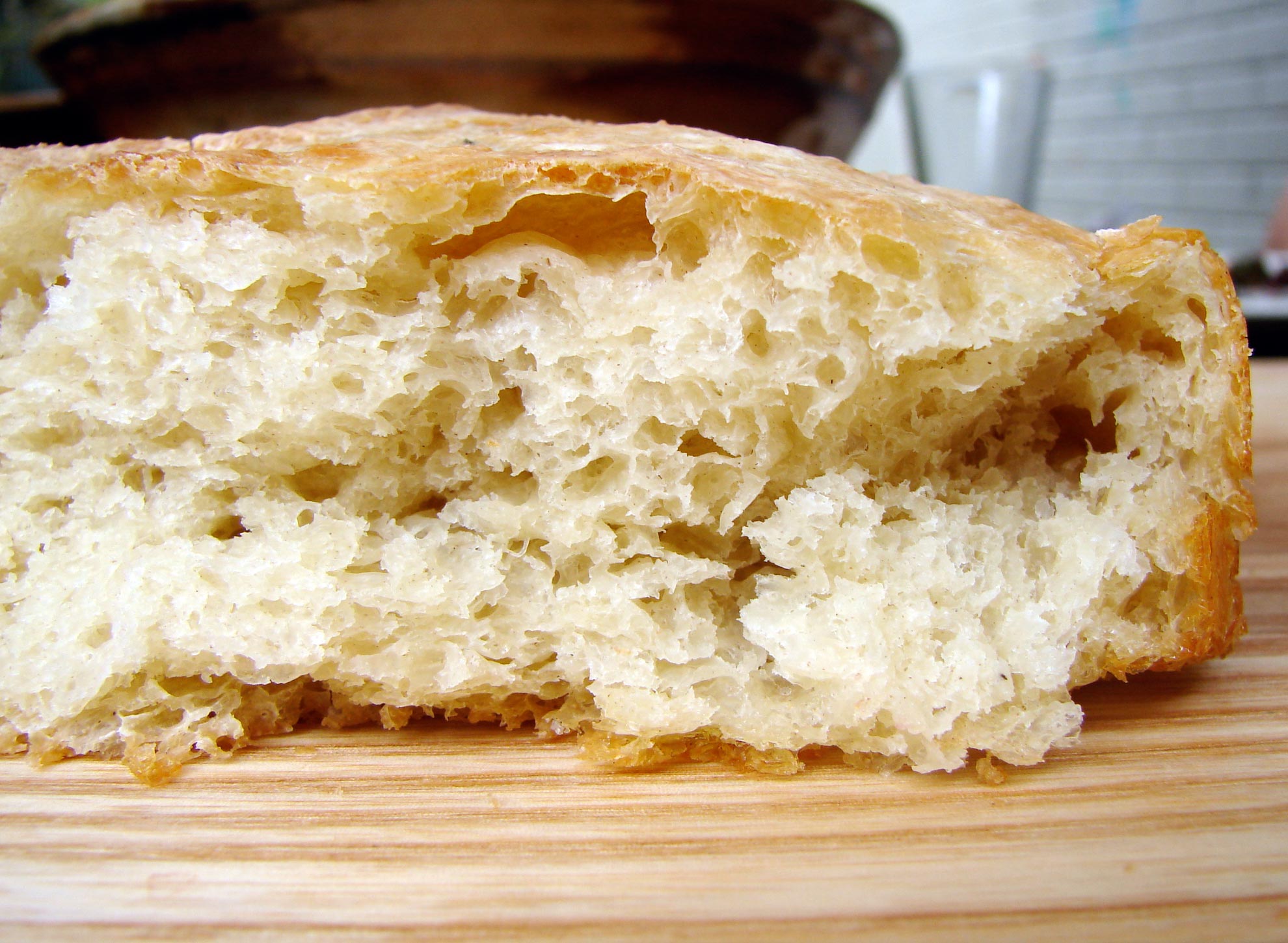
Crusty bread
Here’s LL Cool J (and Adam Horowitz!) with I Need a Beet
 Out of the Ordinary