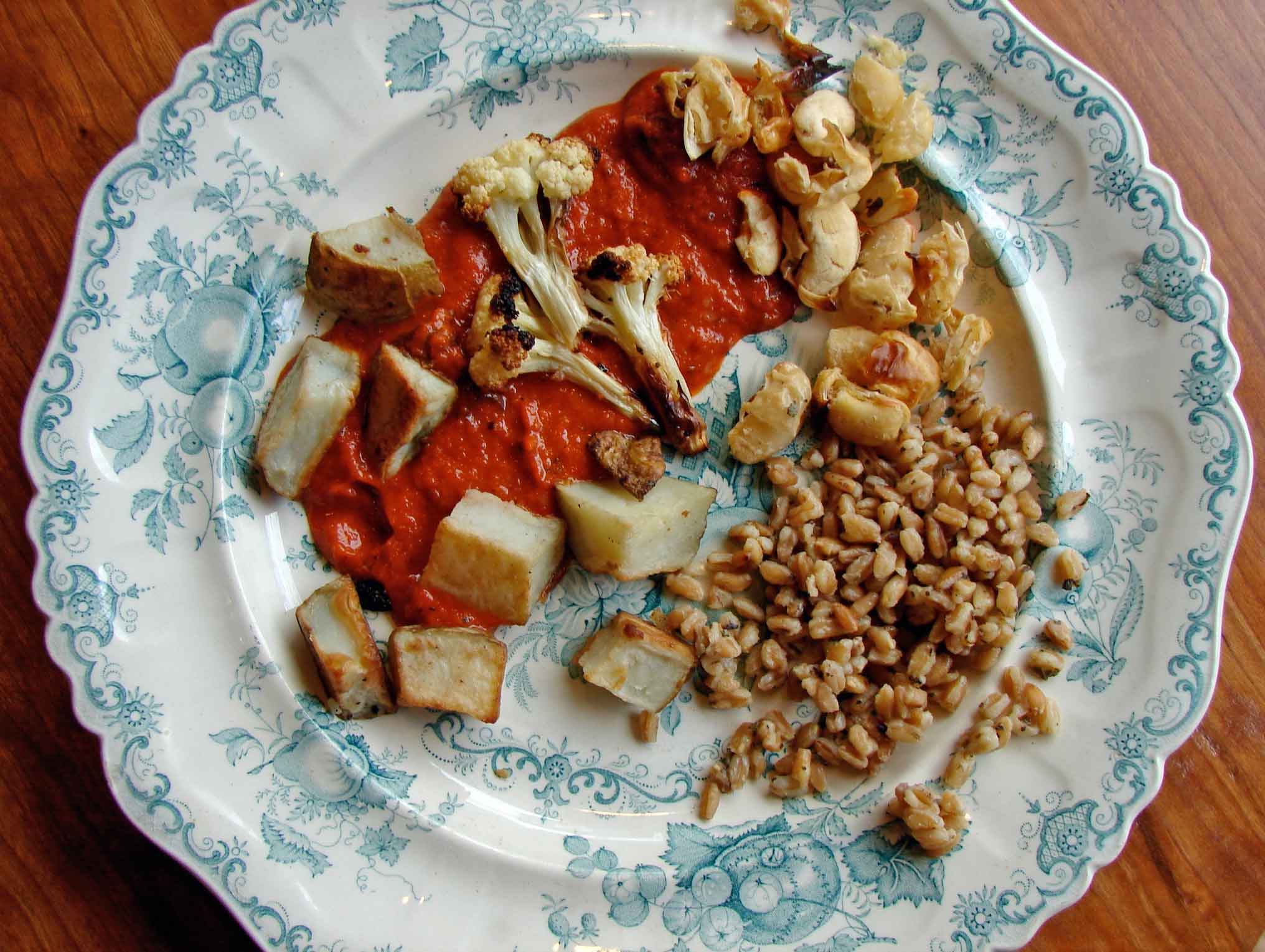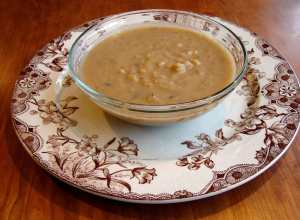
Roasted cauliflower, potatoes and butterbeans in spicy red pepper – olive sauce

Roasted potatoes, cauliflower and butterbeans with spicy red pepper sauce

Roasted potatoes, cauliflower and butterbeans with spicy red pepper sauce

When a child tells a joke (my child, at any rate) he always explains it. He always adds a little, “do you see what I did there?” (Except when they tell knock knock jokes, of course – not because they need no explanation, but because there is no explanation. They make no sense, and that’s the point of them.) As they get a little older they might just send it out there into the world, and see how it plays. They start to understand the universal language of jokes, and they recognize that others understand it as well. And if it plays well, they’ll repeat it, over and over and over again. There’s a regular at the bar where I work. He’s a friendly, loquacious guy, and everybody’s always happy to see him, as befits his status as regular. He tells jokes that aren’t always appropriate, and he lets us know they’re not appropriate by saying, “If you know what I mean.” One day, the bartender said, “Everybody always knows what you mean!” She said it in a jolly, joking way, but he seemed a little chastened. He was uncharacteristically silent for a few minutes. When I think about it, which I frequently do, it’s so odd that we can communicate at all. Words are so frustratingly, beautifully inadequate. Either they seem to have no meaning at all, or they have so many meanings you don’t know which to choose. We could lose ourselves in the space between what we mean to say or what we want to say, and what is actually said. We watched Tokyo Story by Ozu yesterday. (Beautiful!) His films are about regular, contemporary people facing problems that we all face, and one of these is, simply, talking to one another, conveying meaning. The characters are speaking Japanese, of course, which is a language I don’t understand, but they’re so clearly sharing the difficulty of sharing, with their gestures and expressions. They use small sounds, single syllables or grunts, that seem to carry more meaning, and be better understood, than whole streams of words. I love this! Each person fills the syllable with their own inflections, the whole force of their personality. Ozu will show one side of a phone call that consists of nothing but these short grunts, and you know what the person on the other end is saying. I read a little bit about these sounds, and they each have their own written character, which is a beautiful thing. I suppose we have something similar in English, but our small sounds, our ums and ers and uh-huhs seem to create little spaces of non-meaning, little expressions of frustration with meaning. Or maybe it’s just easier to see meaning when you’re less entangled in the words, when you’re outside, looking in.

It’s funny how recipes can become construed and misconstrued, made up, as they are, of words. The symbols I take as universal are very confusing to some people. And measurements are so changing and mysterious, especially when you’re talking about the size of a vegetable! In recipes such as this one, it’s okay that the measurements are vague. You can adjust the amounts to your taste. We have roasted potatoes, cauliflower and roasted butter beans (yummy!) And we have a sauce to toss them in, and you can roast just as much of each as you like! You can mix everything together, and fry it in a skillet till the sauce is fairly dry and coating each piece, and that’s tasty. Or you can leave the elements separate, and let people take what they like, which is what we did, because not everyone in the family is as enthusiastic about cauliflower. We ate this with simple herbed farro, and some sauteed kale and broccoli rabe tossed with lemon and butter.

Here’s the Tokyo Story Theme, by Saito Kojun

Continue reading

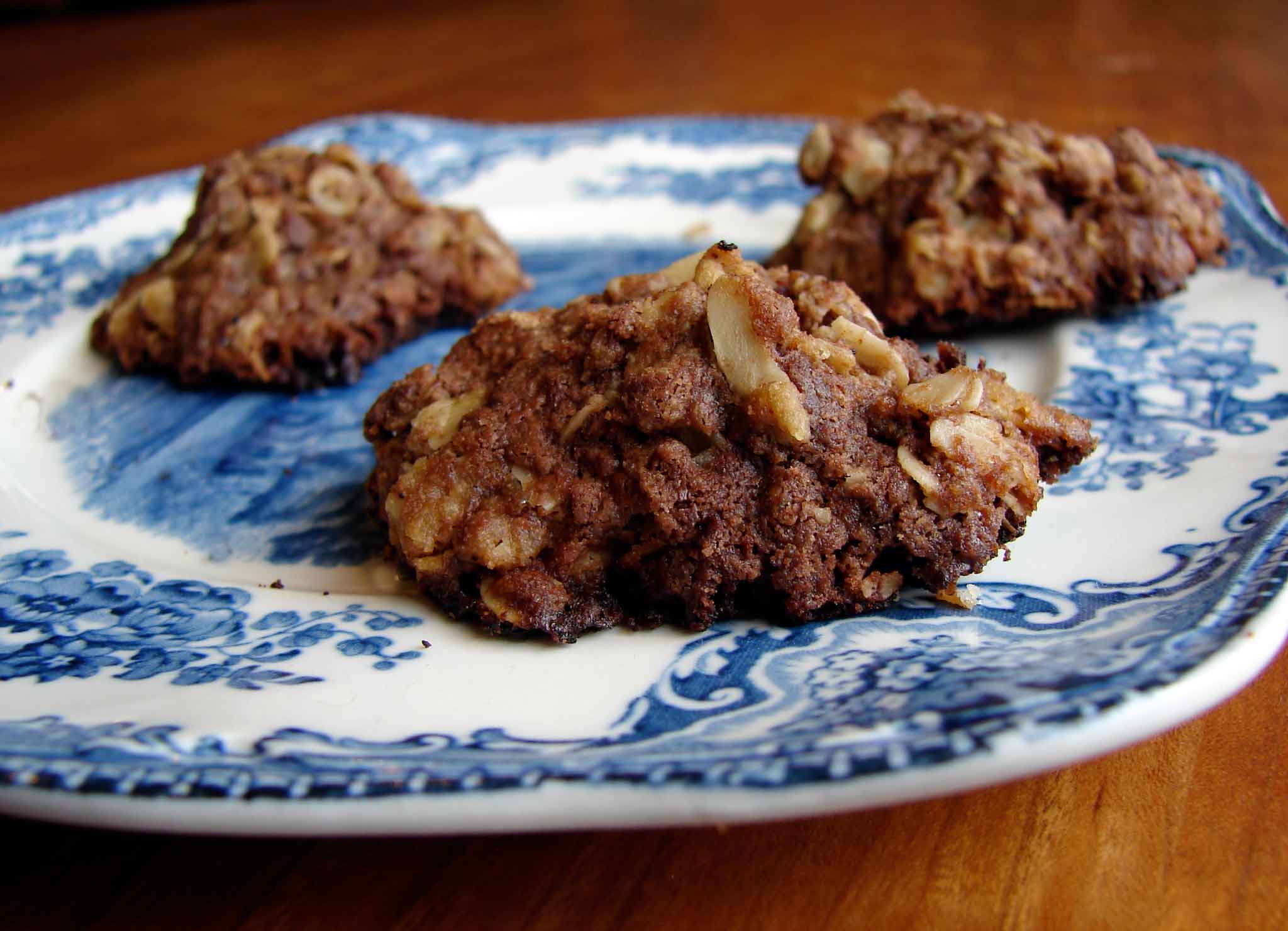
Chocolate oatmeal cookies

Chocolate oatmeal cookies

Chocolate oatmeal cookies

Steenbeck died a year ago. I can’t believe it’s been so long, I can’t get my mind around how quickly this year has passed. My memory is shot (I forgot to bring my wallet to the grocery store yesterday!) but I remember the day of Steenbeck’s death with unusual clarity. I was wearing grey jeans and a grey shirt with a big black beetle on it. I was in a foul mood, because I’d had a bad weekend at work and I hadn’t slept well and I was worried about the dog. I yelled at everyone before school, and they looked almost frightened of me. I yelled at the dog because she couldn’t stand up. I regretted all of it, of course, the second the boys were out the door. The day was unseasonably, ridiculously warm and sunny, it was hard to stay cranky for long. I made grits, and I don’t think I’d ever made them before. I turned them into grit cakes for dinner, which were delicious, but I regretted it later because I shouldn’t have stood at the stove cooking grits, I should have spent the time with Steenbeck. I went to the store and came back late to pick up the boys, so I left the dog in the yard, because she liked to stand in the sunshine, swaying on her shaky old legs, staring at nothing. I didn’t have time to say goodbye, I didn’t want to be late to school.
And six months later we got Clio, although mere weeks before I swore I’d never be ready for another dog. I remember that day with odd clarity as well, but I won’t bore you with the details. I can’t believe we’ve known her six months! It feels as though we’ve just met. It feels as though I’ve known her forever! I was thinking that it’s funny that we named her Clio, the muse of history, because dogs are natural historians, uncovering layer upon layer of the past with their sharp noses. And I feel as though I could measure out my life according to the dogs we had. From childhood dogs to Steenbeck, the first dog that was my adult responsibility, a daughter-dog, if you will. And now to Clio, who is my son’s first puppy. I could define eras in my life by which dog we owned at the time. I have a little memory of myself as a changing person with each dog, like a polaroid snapshot. Tessie died after I’d left for college, which felt like growing up, and felt horrible. A few years later I tried to adopt Easy and couldn’t do it, I wasn’t ready. Which felt like not growing up at all. Memories of Clio will be so vivid to my boys – how she cuddles with them when they’re sick, how she races around like a mad thing when they play in the yard. Clio is so much like Steenbeck that it’s spooky at times, it’s like history repeating itself. It might seem strange to say it, but when Steenbeck died, it felt as though she’d already left some hours or days before. Her body was stiff and her eyes were vacant. All summer I felt her spirit in the yard, or maybe I just needed to. I’d sit out in the dark warm night and talk to her. We don’t know for sure how old Clio is, but it’s less than a year. I suppose this is something I need to believe, too – that when Clio makes a certain face, or stretches in a certain way, or gives me a look with her bright, smart eyes… Well, it’s too foolish to put into words! But my memories of Steenbeck are fading into my knowledge of Clio, and I don’t feel as bad about it as I might, I think she’d understand. I suppose it’s a comfort to believe that everything is connected. It’s all a part of our history, of ourselves as changing people, moving through the world.

This year the last days of winter are decidedly not unseasonably warm! The weather is grey and icy and dripping. And so, we made chocolate oatmeal cookies. Our natural antidepressant. This is a sort of variation on oatmeal chocolate chip cookies, I suppose, with a little element of flapjack thrown in. The chips are melted, but not incorporated too thoroughly, so you find some nice patches of solid, soft chocolate. The cookies are quite crispy, very tasty, and very comforting.

Here’s Dog on Wheels by Belle and Sebastian. It’s not a real dog, but it’s a childhood memory.

Continue reading

Roasted rutabaga, corn and cheddar soup

Roasted rutabaga, cheddar and corn soup

Roasted rutabaga, cheddar and corn soup

Last week I posted a poem by Seamus Heaney, but I neglected to share the fact that it was only part I of the poem. There’s a part II, and here it is (with profound apologies for having split the poem up in this rude way)…

2. The Seed Cutters

They seem hundreds of years away. Brueghel,
You’ll know them if I can get them true.
They kneel under the hedge in a half-circle
Behind a windbreak wind is breaking through.
They are the seed cutters. The tuck and frill
Of leaf-sprout is on the seed potates
Buried under that straw. With time to kill,
They are taking their time. Each sharp knife goes
Lazily halving each root that falls apart
In the palm of the hand: a milky gleam,
And, at the centre, a dark watermark.
Oh, calendar customs! Under the broom
Yellowing over them, compose the frieze
With all of us there, our anonymities.

Beautiful! And it got me to thinking about Brueghel, and about the fact that poets love him. We’ve talked about his Landscape with the Fall of Icarus, and the fact that WH Auden and William Carlos Williams both wrote poems about the painting. And William Carlos Williams, patron poet of The Ordinary, has a whole collection of poems called Pictures from Brueghel. Why do the poets love him so much? Is it because he tells stories with his paintings? He shows so many characters, so much movement and beauty and drama, but the drama of everyday life that we can all relate to. Is this why the poets of The Ordinary love him? Because he renders with such skill and accuracy some universal truth of humanity that we can all understand – with so much beauty and so few words. They called him “the peasant Brueghel,” apparently, in his day. Not because he was a peasant, but because he painted peasants, and some say he dressed as a peasant so he could mingle with them – unnoticed but noticing everything. This was very rare, at the time, and it is only through his paintings that we understand as much as we do about the lives of poor people in his place and in his time. I wonder why he painted peasants. Was it patronizing? Was it, as Van Gogh has said about The Potato Eaters, to show how less-civilized people lived? Was it opportunistic? Was it because these were the people who were everywhere about him, who would model for him. Because peasants must have served as models for paintings of nobility, as well, and for paintings of Christ and Mary. We’ll never know! The peasants in Brueghel’s paintings are so richly painted that it feels to me as if he’s honoring them. Seeing what I want to see, no doubt, through the lenses of my 21st century Ordinary agenda, it feels as though Brueghel captures some timeless quality that connects us all. We’re all engaged in the struggle and the joy of living, of staying alive, and working and resting and dancing. Heaney’s seed cutters might “seem hundreds of years away,” because they’re closely connected to Brueghel’s resting corn harvesters, and they’re connected as well to people taking a break outside of their offices or shops, sitting in the sun, eating a sandwich. Williams, in describing Brueghel’s nativity, says,

    —it is a scene, authentic
    enough, to be witnessed frequently
    among the poor (I salute
    the man Brueghel who painted
    what he saw—
    many times no doubt
    among his own kids but not of course
    in this setting)

Brueghel and Williams are reminding us that Mary and Joseph were poor, and that this was just a moment in time to the people milling about – the soldiers, who couldn’t have understood why this moment would be significant.

    —the soldiers’ ragged clothes,
    mouths open,
    their knees and feet
    broken from thirty years of
    war, hard campaigns, their mouths
    watering for the feast which
    had been provided
    Peter Brueghel the artist saw it
    from the two sides: the
    imagination must be served—
    and he served
    dispassionately.
bruegel_kruisdraging_grt
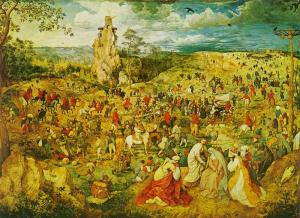
We saw a beautiful film about Brueghel’s painting The Procession to Calvary, called The Mill and the Cross. It’s a gorgeous dream-like film, that fleshes out Brueghel’s characters in a mysteriously effective manner. It shows Brueghel creating the painting, and it connects the story of Christ to the suffering of Brueghel’s contemporaries at the hands of Spanish catholics. In the film, Brueghel explains that most paintings show God in the sky, parting the clouds and looking down with displeasure. But in his painting God is in a mill high on a strange mountain. God is a miller, grinding the bread of life and destiny. The bread that we all eat to nourish ourselves – soldiers and peasants and artists and Christ himself. We’re all connected by the struggle to stay alive.

Last night for dinner we ate this delicious soup and ate leftover mushroom pie and talked about Brueghel. It was a simple meal, but it was such a good conversation. I feel so lucky to have somebody with whom to puzzle these things out, and somebody who is comfortable, as I am, with not having answers. We’ll never know! This soup was good. I grated and roasted the rutabaga with some thyme (it smelled amazing cooking!) and then I added shallots, garlic, rosemary and some lentil-cooking water. I added sweet corn, for a touch of brightness, and melted in some sharp cheddar, which made the soup lovely and savory and satisfying. I puréed part, but left some as it was, because the grated rutabaga had such a nice texture.

Here is Alec Ounsworth with That is Not My Home (After Brueghel)

Continue reading

Goat cheese, arugula and pine nut pate

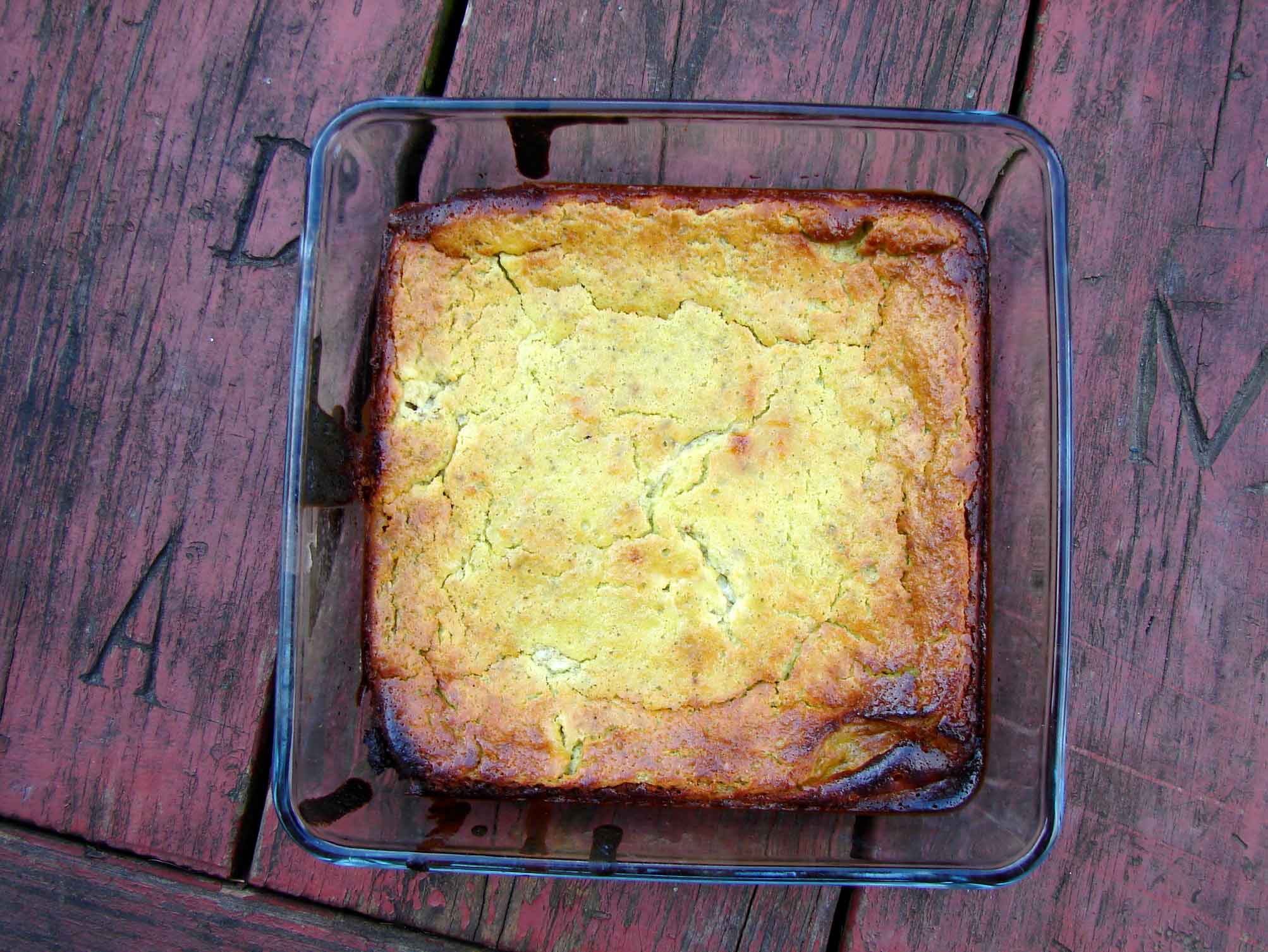
Arugula goat cheese and pine nut pate

Arugula goat cheese and pine nut pate

On the way home from school, Isaac and I walked past a woman undone by a perfect flower. She was a landscaper, working in somebody else’s garden, and she was rendered speechless by a heliobore. She stood, hand on heart, looking at the flower, watching it grow. I imagine this is a fairly common danger in her line of work, this time of year. But I’ve seen it happen elsewhere. I worked in a restaurant in Boston, and one waitress was famous for having once worked in veg cut – slicing vegetables. She would be moved to tears by a lovely slice of beet, a perfect half leek, knocked off track by the beauty of the vegetables she was cutting. I imagine every profession has some unexpected beauty, if you look hard enough and take the time to notice. I’m sure it’s easier for a person whose job is to plant flowers in springtime than for a person who, say, scrubs toilets for a living, but even then, there might be some swirl in the water, some curve in the porcelain. As a waitress I’m sometimes moved by the beauty of certain gestures. People together, taking a table, preparing to eat, arranging their plate just as they like it – talking to each other or communicating without words. If you take the time to notice, these small moments can be worth keeping, they can knock you off track for a moment and take you out of your routine. As disarming as an unexpected kind word. Of course songs can be like that as well. Sometimes you’ll hear a song and you have to stop what you’re doing, and just listen. So today’s Sunday Interactive Playlist is very subjective and personal. We’re looking for songs that have disarmed you with their beauty, or with some other significant characteristic.

This pate is green, which is why I’m allowed to talk about it on St Patrick’s Day. It was very simple to put together, but a nice blend of flavors, a little sweet a little tart, and quite addictive. We ate it with pita bread and with crackers, but it would be nice with a baguette, as well. Or it would make a nice side dish for any meal.

Here’s the Interactive Playlist, feel free to add songs you like. I have to go to work, so I’ll be adding most of my songs later this evening.
Continue reading

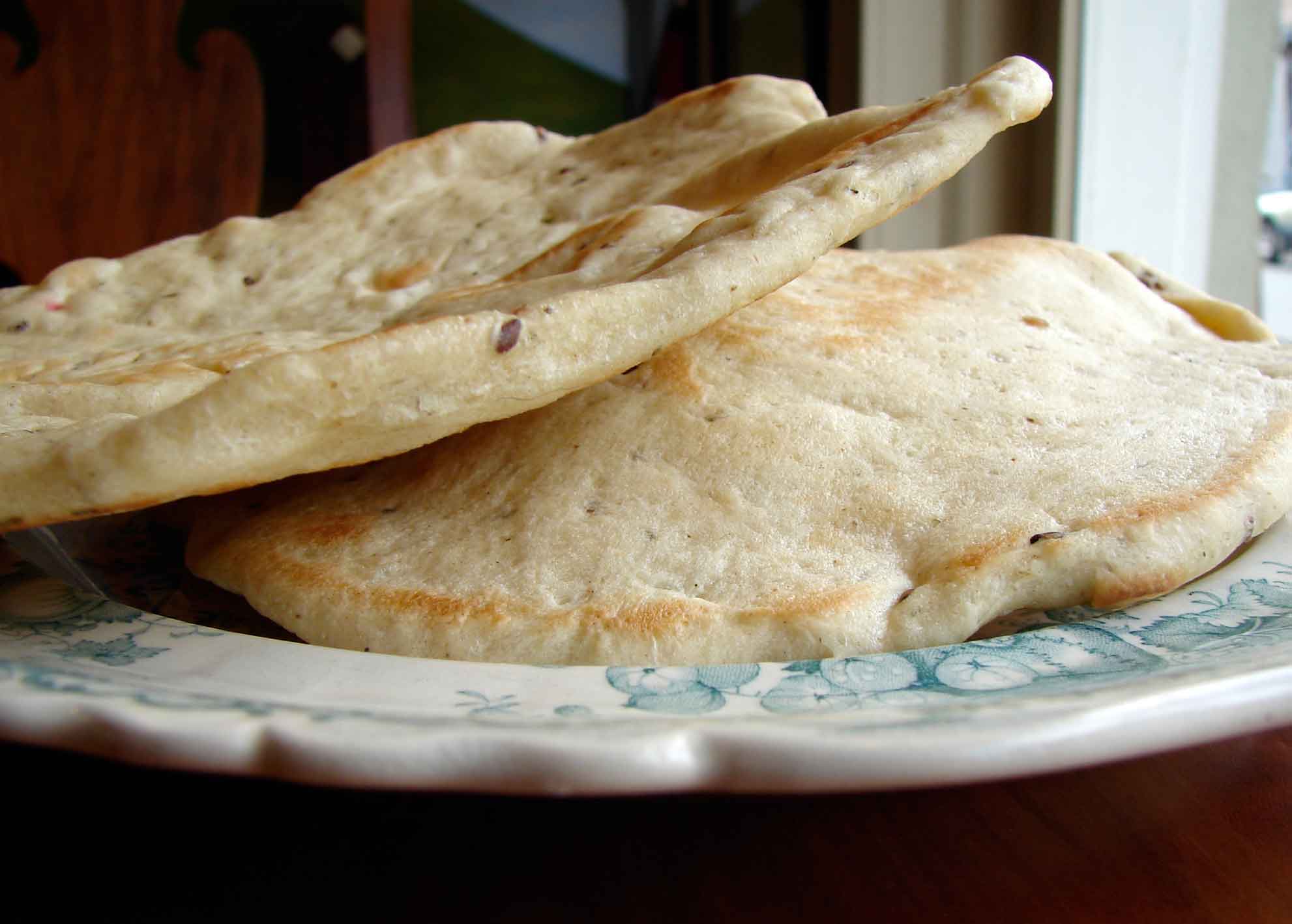
Pita bread flavored with za’atar

za'atar flavored pita bread

za’atar flavored pita bread

I had a lot of trouble sleeping last night, and for some reason my mind wandered back to the time I met Seamus Heaney. I was twenty years old, a student at Oxford. He was reading our poems, and giving us advice. He said my poems reminded him of Basho, which was a very kind thing of him to say. (I used to write poems! I wanted to be a poet! I had sensibilities! I was moved by things most people didn’t even notice! We can all laugh about it now, but at the time it was terrible.) I don’t write poetry very often any more, but I still read it from time to time, and I spent the better part of this morning reading the poems of Seamus Heaney. I’ve decided that he could be another of our Ordinary Poet Laureates. Consider this quote about him, “And his is the gift of saying something extraordinary while, line by line, conveying a sense that this is something an ordinary person might actually say.” His subject matter, too, is frequently ordinary people going about their daily activities. Like Robert Burns and William Carlos Williams he recognizes the grace and worth of each person, and of the work that they do. His poems seemed washed in the affectionate, melancholic light of memory, so that everything he touches quietly glows. We all cast mythical shadows in his poems, we’re all the gods and goddesses of our own creation. However humble our labors may seem, they become honorable in his words. And while he’s generously making our work worthy, he’s constantly questioning and reestablishing the value of his own work – the value of poetry and of art. “Heaney wants to think of poetry not only as something that intervenes in the world, redressing or correcting imbalances, but also as something that must be redressed—re-established, celebrated as itself.” Here’s a poem named for Heaney’s childhood home that describes the work of a woman in the kitchen, it’s a poem filled with love and grace and light, and with the poignance of passing time.

Mossbawn

1. Sunlight

There was a sunlit absence.
The helmeted pump in the yard
heated its iron,
water honeyed

in the slung bucket
and the sun stood
like a griddle cooling
against the wall

of each long afternoon.
So, her hands scuffled
over the bakeboard,
the reddening stove

sent its plaque of heat
against her where she stood
in a floury apron
by the window.

Now she dusts the board
with a goose’s wing,
now sits, broad-lapped,
with whitened nails

and measling shins:
here is a space
again, the scone rising
to the tick of two clocks.

And here is love
like a tinsmith’s scoop
sunk past its gleam
in the meal-bin.

I like making pita bread. It’s so simple and pleasurable, and so fun to eat when it’s done. I’ve always liked za’atar bread – middle-eastern flatbread crusted with za’atar spices, so I decided to bake some of them right into the dough of this pita bread. I used a red za’atar spice mix, and added thyme, but za’atar comes in many blends, so you could adjust it to suit your taste. These little breads were soft and puffy inside, so you could pull them apart and fill them with delicious things. The next day we toasted them, and they were lovely and crispy.

Here’s Heaney reading Mossbawn Sunlight

Continue reading

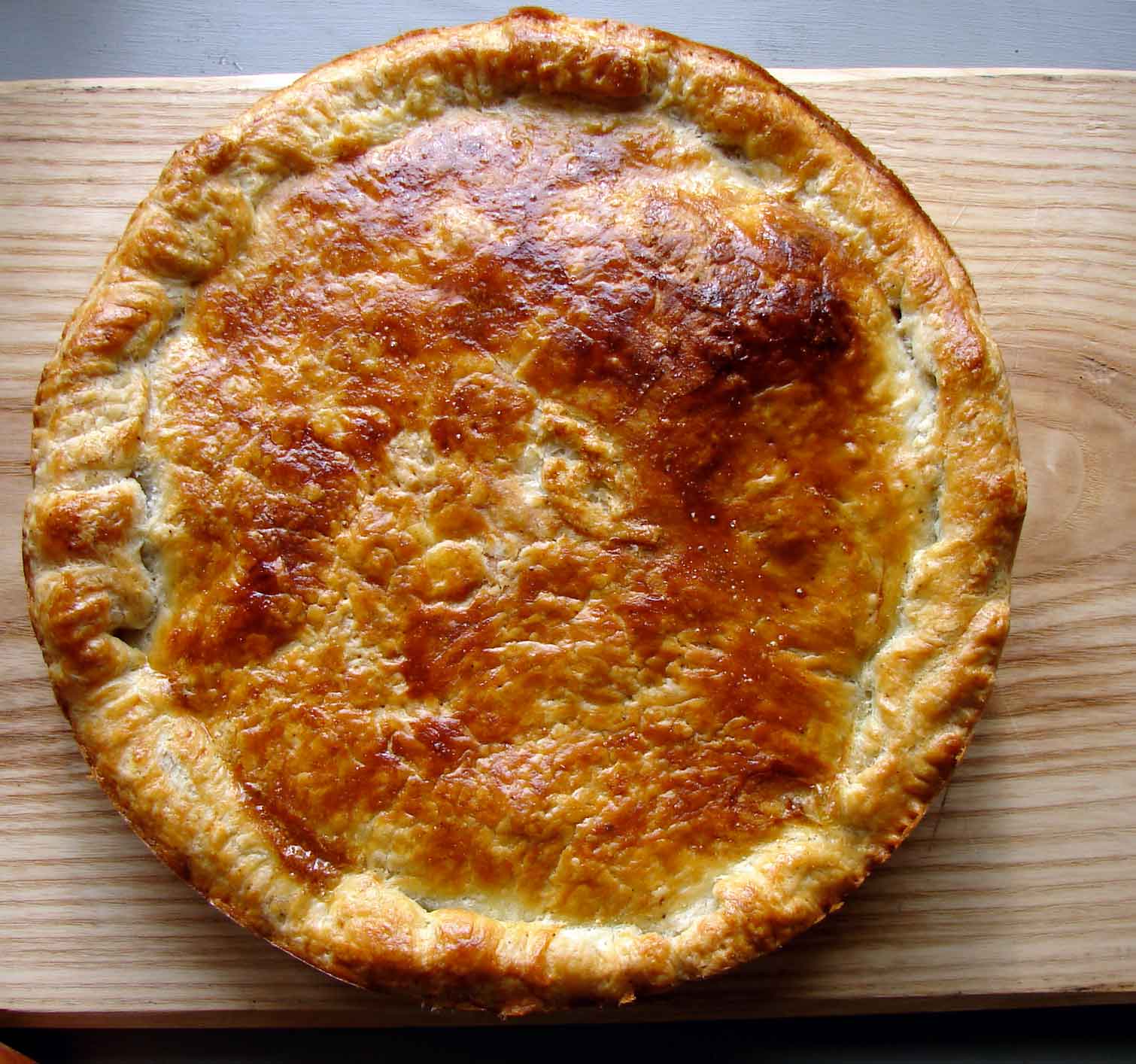
Double crusted pie with roasted mushrooms, french lentils and spinach: The ur Ordinary pie

Ordinary pie

Ordinary pie

It’s national pie day! Who knew? Not me. And yet, strangely, I made a big delicious pie, only last night. And not just any pie, but the ur Ordinary pie, the pie that started it all. I feel like the kitchen gods have left me, lately. They’ve fled the city with their suitcases in hand, not stopping to say goodbye or leave a forwarding address. It’s not just that things haven’t been working out culinarily (they haven’t), it’s not just that things I’ve made before aren’t turning out the way they did last time (they aren’t), it’s that I’m not in the mood. I still want to cook and eat, but I feel sort of foolish and despondent about it. I’ve lost some part of my appetite that’s hard to define. I know it doesn’t really matter – it’s just a dinner or a batch of cookies, there will be plenty other meals, thousands of other cookies, but it doesn’t help that it doesn’t matter. That’s part of the problem! It’s so easy to forget about the importance of ordinary tasks, about the extraordinariness of doing them, not well, but with a full heart. It takes an effort to make these tasks, these inherently necessary and essential tasks, significant as well. I haven’t had the energy to do that, lately, so I thought I’d start at the beginning. Go back to the comfort of making the first thing that gave me deep pleasure to invent and to share. Malcolm and Isaac are crazy, creative artists, but they both have things they draw over and over, that they return to and reinvent from time to time. Little figures, eccentric characters, that show up frequently in their work. They feel good about having invented these characters, they know they can draw them, and it seems to give them confidence to go back and revisit – from that safe place, they can venture off into unknown realms. I would imagine for a musician trying to learn something new, it would be heartening to go back and play the first piece you knew well, the first piece that made you feel confident enough to share with an audience. And so it is with this pie. In making it I remembered the joy of playing with dough, of combining flavors and textures. In serving it to an appreciative audience, I remembered the pleasure of sharing something I’m happy to have made. It’s not much, it’s just a meal, I know it’s trivial in the broad scheme of things. We have to eat, we have to feed our children. I’m starting to remember again why that matters.

Mushroom and fench lentil pie

Mushroom and fench lentil pie

This pie has some of my favorite flavors! The crust is simple, but there’s lots of pepper in it. It has french lentils, which I love.
french lentils

french lentils

And roasted mushrooms, which I also love. I combine these flavors a lot, because they’re my favorites, but this is them in one big package.
roasted mushrooms

roasted mushrooms


Here’s Train to Chicago, by Drink Me, which happens to be the only song I can play on the guitar and sing all the way through.
Continue reading

Ginger beer!

Ginger beer!

Ginger beer!

“Wherefore” means “why” and not “where.” You’re probably thinking, well, duh, Claire, everybody knows that. But the truth is that I didn’t know that till I was a teenager, and it really blew my mind, man. Because when Juliet says “wherefore art thou Romeo,” she’s asking why not where. (And I know I’m not the only one that didn’t know this, because how many times have you heard this speech with the emphasis on art instead of Romeo? Right?) Well, it got me thinking…how many other exchanges had I completely misinterpreted over the years? It was as though a whole world had opened up. A rich world of language, in which each word was like a door that lead to a surprising and beautiful world. Or several surprising and beautiful worlds, because every exchange is full of so many shades of meaning. I love Shakespeare! I know that doesn’t exactly make me unique, but it’s good to shout it aloud from time to time. I love his humanity and his humor. I love the fact that the way his characters acted in the 16th century is exactly, disarmingly, the way people act today. I love the ridiculous pang of pleasure that you get when a character says something so perfectly true and beautifully expressed that you feel you’ve always known it. I love the fact that he invented words as he went along, and we still use them now. I love the fact that the exchange between Romeo and Juliet is a sonnet – their dialogue is a perfect sonnet, worked into the play. But he doesn’t tell you that, it’s just there, for you to discover. I love the fact that Hamlet’s opening of “Who’s there?” sums up the entire play in many ways. I love Hamlet, the mad melancholy man. I’d love to spend some time with him, and just listen to him talk. Lately my memory is failing, and it sometimes seems as though huge portions of my past life are nothing but a blur. The fabric is stretched thin and threadbare, and holes are forming in it. And yet I have a Shakespeare sonnet memorized, and that’s still there, thank heavens, that hasn’t gone anywhere. It’s number 29, of course, and just last week, in my own despairing and hopeless spate of discouragement, I kept thinking of these lines –

    …And look upon myself and curse my fate,
    Wishing me like to one more rich in hope,
    Featured like him, like him with friends possessed,
    Desiring this man’s art, and that man’s scope,
    With what I most enjoy contented least…

That’s Shakespeare saying that! That’s Shakespeare feeling discouraged and envious! Good lord! So I’m keen to share all of this love with Malcolm and Isaac. I know they’re a bit young, but Shakespeare is a language, the more you understand it the more you love it, and it’s good to start them on languages young. So we watched some animated tales with them. They’re nicely done! And the boys watch with rapt attention. Although we started with some comedies, and Isaac went stomping out of the room saying, “Do they all have to be about people falling in love?” He’s not a big fan of romance, our Isaac. He has a horror of people kissing on screen!

It was nice sharing Shakespeare with them just in the way it’s nice to cook with them. Creative and nourishing and hopeful. Malcolm and I have been making ginger beer, lately, and this is how we’ve been doing it. It’s a very simple method. I’ve read about putting a batch in a bowl under your bed until it turns alcoholic, or brewing it with yeast until it gets bubbly, but we didn’t do any of that. We made a concentrate of fresh ginger, lemon, lime and raw sugar, and then we added bubbly water. Then we drank a glass each, and poured the rest back into the bottle the fizzy water had come in. We used a sieve, because we like pulpy bits of ginger, but you could use a cheesecloth if you want it clearer and with less bite. We used turbinado sugar because it has such a nice, warm taste. You could use any kind of raw sugar, or white sugar or even brown sugar. I’m going to try it with honey, but I have to buy another bottle of fizzy water, first. I’ll let you know how it goes.

Here’s Shakespeare’s Sister by The Smiths.

Continue reading

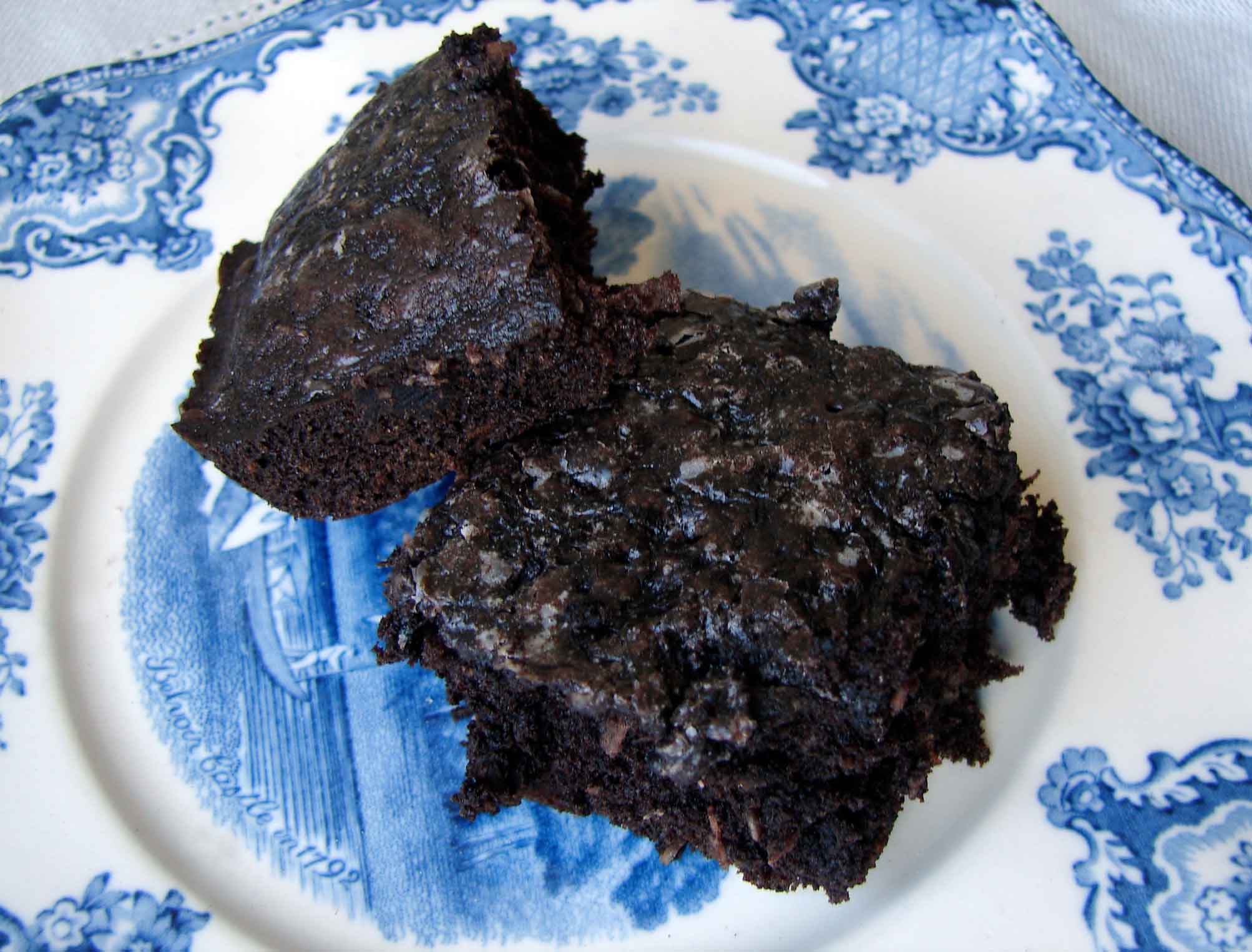
Coconut chocolate brownies

Coconut chocolate brownies

Coconut chocolate brownies

After the school dance, a man set up a ladder and cut down all the stars. Malcolm stood below and caught them as they fell. He walked home with an armful of stars, trailing yellow balloons behind him like wings. I love the morning after any balloon-related event. The balloons seem tired, and if you give them a little tug, they don’t quite make it back to the ceiling. This is my favorite time to take pictures – I like it much better than during the party itself. I love the boys in their pajamas batting balloons back and forth or racing around the house with them. The morning light hanging in the balloons like fire, lighting them with a warm glow from within, making them almost as bright and buoyant as my boys. I took so many photos this weekend, of the boys and their balloons – I took hundreds! I lay on the ground for some, looking up at their laughing faces, and up the strings to the golden balloons. (I had just seen an Ozu movie!) I was so happy with them that I didn’t even look at them right away. I saved them for after work. And when I loaded them onto the computer I could see the tantalizing little thumbnails of the shots vivid with our green walls, strong morning light and radiant boys. But the pictures never loaded. I never got to see them, I lost them all, and all of the photos from the dance. I feel such irrational regret about this loss. They’re just pictures! David and I tell ourselves all the time not to experience our life through a lens. We want to capture every moment and remember every movement, but sometimes we have to just put the camera down and live it. Trust our eyes, trust our memory. I know that. So why do I feel such an odd small pang of nostalgia for these pictures I’ll never see? I suppose it’s like the films I make in my dreams. So perfect and unattainable – so perfect because you can never see it as it really is, because things always look better caught sideways in glimpses, memories, and dreams. Oh, well, there will always be more balloons!!

These brownies have coconut milk in them, which makes them soft and almost pudding-like. They also have flaked coconut and chocolate chips, which makes them delicious! They’re not terribly sweet, and I used very very dark cocoa, which almost has a savory flavor to it, according to my taster. You could use regular cocoa, though, and they’d still be tasty.

Here’s the Beastie Boys with Root Down (Pp balloon mix)

Continue reading

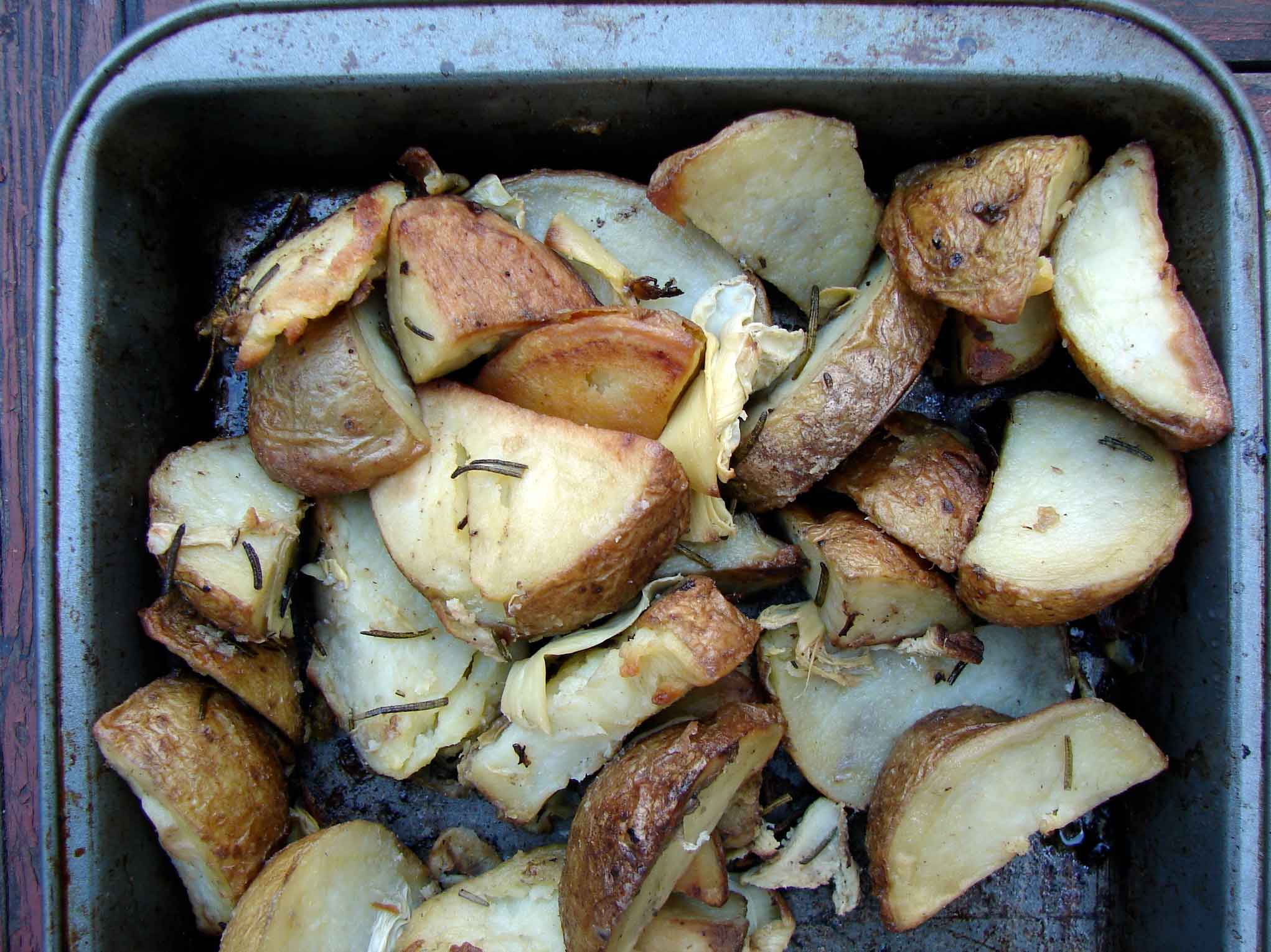
Roasted potatoes and artichoke hearts

Roasted potatoes and artichokes

Roasted potatoes and artichokes

I was going to put as my facebook status “don’t you hate it when you’re feeling really down and discouraged, and you hope that something nice might happen to cheer you up, but instead your dog gets sick and it’s Sunday night and you don’t have a car, so you have to ask somebody to drive you to the emergency vet and the visit costs as much as you made in tips all weekend long at your lousy job?” But of course I didn’t! Nobody wants to read depressed and moan-y news like that, unless it has a picture of a cat attached. And I don’t have a cat! People mostly tend to write about stuff they feel good about, on these social media forums, or minor pet peeves, or share inspirational sayings, or post pictures of cats, or the everloving inspirational quotes with pictures of cats. Here at The Ordinary, I try to share some of the times when things don’t go well, when I ruin dinner or Malcolm yells at me that I’m mean, because I’d feel like a liar if I pretended everything was perfect all the time. But I guess I try to be a bit cheerful about it, to find some vague reason to be happy in the end, even if it’s a fairly foolish reason…Dinner turned out horrible and I threw a temper tantrum, but Malcolm gave me a big hug, so who cares? Well, I have been feeling discouraged lately, and Clio did get sick and I was up much of the night with her, and to be honest I was having a really hard time trying to see it in a positive light. But I started thinking about it, as I sat on a bench basking in the mild but well-meaning sunshine and watched the boys play with their friends, and I realized that the very act of writing about it makes me feel more hopeful. Not just because it helps to talk about it or it’s cathartic in some way, but because of the writing itself. It makes me happy to put words together. I feel good when the words sound good, and even when they don’t, which is probably most of the time. And it makes me happy to think about this thing that makes me happy that’s so simple – it doesn’t require complicated equipment or lots of planning. It’s completely free of charge. It might be a self-indulgent waste of time, but who cares! It doesn’t hurt anyone, and nobody can take it away from me. I like to think that everybody could have this…some seemingly trifling activity that doesn’t make you forget your worries so much as it opens a possibility of some endeavor that’s more important than your worries, if you let it be. Maybe you doodle, maybe you strum a guitar, maybe you cook a mean risotto. Any of these things can be shared, can be nourishing to yourself and others. And now, I may have been in a foul mood all day, and may not have gotten much sleep, but Malcolm is asking if I want to make ginger beer with him, so who cares?

These potatoes were a breeze! Easy peasy lemon squeezy, and they’d be good with a squeeze of lemon. I made them after work one day with some leftover canned artichoke hearts. But they turned out so good! Crispy and tender and flavorful. They’re very simple, as they’re presented here, but they seemed a little fancy to me anyway. You could easily add shallots or garlic or olives before you roast, or sprinkle on some cheese towards the end. But they’re nice like this – simple – with salt and lots of pepper.

Here’s Who Cares by Michelle Shocked, which has been in my head a lot lately.

Continue reading

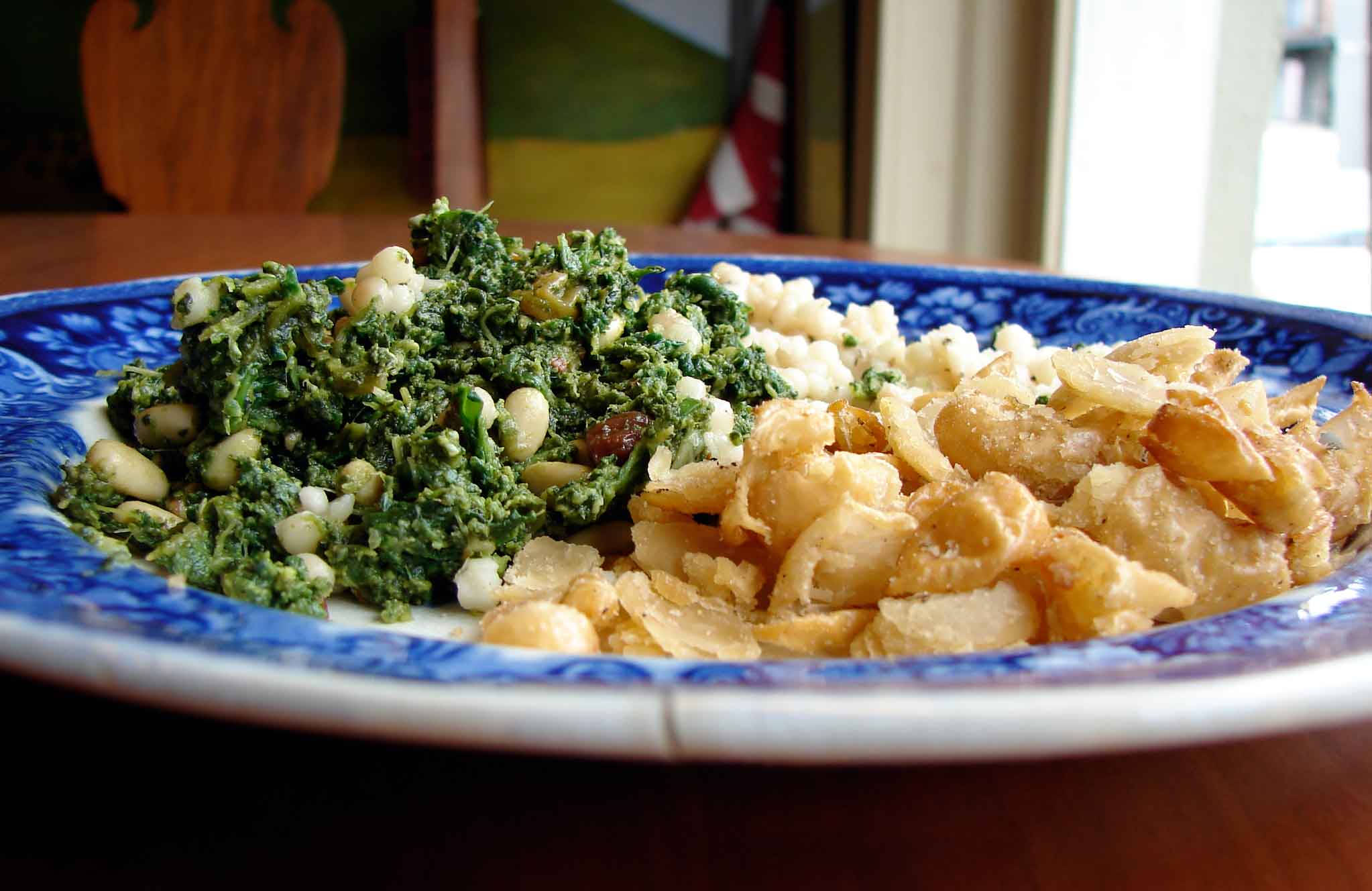
Sage roasted butter beans and greens with raisins and pine nuts

roasted butterbeans and greens with raisins and pine nuts

roasted butterbeans and greens with raisins and pine nuts

It was a night under the stars! That’s what the school dance was called, and, funnily enough, as we walked home I’d never seen the stars so bright and clear over our tinsy little metropolis. The stars were cool and distant, after the hot clamor of the dance, but they seemed to be dancing, too. The boys went in different shifts. First the little ones, racing around the transformed all-purpose room (cafeteria tables pushed out of the way, gym mats rolled up, starry black balloons floating everywhere.) Isaac and his friends wiggled through the dancing crowd like small minnows against the current. (How do they all know dance moves when they’re so young?) The older kids stood around in little groups, full of joyful secret drama. Malcolm looked dapper as hell in his suit. But we weren’t allowed to stay and watch the second shift, so I can only report that when Malcolm and I walked home, looking for orion and the big dipper, he had a cool happy glow about him, like the moonlight.

And the music? We had the Harlem Shake twice, of course, and gangnam style and that heyo gallileo song, and lord knows what else. They all sound a bit alike, they’re musically repetitive and lyrically uninspired, and yet they’re irresistible! I’m such a sucker for this kind of music. Roller rink music, prom music, school dance music. So for this week’s Sunday interactive playlist, we’re going to collect songs we remember from dances and roller rinks, or any public youthful dancing occasion. I’m excited about this one! I think we can make quite a collection of happy songs from different eras and different parts of the world. But I need help, because I was super backwards and shy as a child, and didn’t go to many school dances.

sage roasted butter beans and spinach with raisins and pine nuts

sage roasted butter beans and spinach with raisins and pine nuts

I’m excited about this meal, as well. As I’ve said a million times, greens with raisins and pine nuts, simply seasoned with garlic and maybe a little rosemary, is one of my all time favorite flavors. Here I added a little egg to make it comforting and substantial. You can use any greens you like. I used broccoli rabe and spinach, but you could add kale or chard, if you like. And the butter beans! I coated them in a little olive oil and roasted them with sage. Simple, but they turned out delicious. Cripsy, tender, meaty. We ate this with some herbed pearled couscous, and I made croquettes out of the leftovers with the addition of some bread crumbs, eggs and cheese – formed into patties and roasted on an olive-oil coated tray. Also very delicious! I’d show you a picture, but it got lost on my camera somewhere, and disappeared.

So here’s the playlist. I’ll make it collaborative, so feel free to add what you’d like.

And here’s a scene from Freaks and Geeks. I love the impossibly long walk to the dance floor, and the way the song kicks in when they get there. “If somebody making you go to a dance is the worst thing in your life, I’d say you have a pretty good life.”

Continue reading