Kale and new potatoes with lemon and sage

kale and new potatoes with lemon and sage

kale and new potatoes with lemon and sage

Here at the Naive Political Philosophy department of The Ordinary, we’re alarmed and dismayed by a pervasive and corrosive trend that we’ve noticed. What is it? You ask. Well, (we answer) it’s nothing other than the very breakdown of all communication into cynical marketing speak–insipid at its best and genuinely pernicious at its worst. Everybody is trying to sell us something, and it’s getting us down! All forms of communication–real mail, e-mail, phone calls, visitors to our esteemed institution–it’s all somebody asking for money, with a product for sale. It’s almost gotten so we don’t trust a friendly gesture, any more, and isn’t that a terrible shame. Everything the boys bring home from school is asking them to sell something or buy something, they’re learning how to be little consumers, little salesmen. This isn’t a new problem, and it hasn’t crept up on us in secret, it’s been going on for decades, and it’s poured over our heads by the steaming bucketful, as if there was no shame in it at all, as if it was a system that makes sense. And it’s down to the very words we speak with. We read the OED, we’re not ashamed to admit it, and we’re saddened to see the trajectory of almost every word from something mysterious and meaningful to something lacking in meaning or confounding in meaning, used to make us want to buy something or to describe the way people buy things. Because it’s an art, a study, a science, a career, this method of persuading people to part with their money for something they don’t need, this way of appealing to people’s insecurities, of making them feel empty and insufficient, of making them feel ugly and inferior. It’s all part of a system that we defend with our lives, that we can’t question or change, because it’s been sold to us so neatly for so long. Well, here at The Ordinary, we think it’s not working, or it’s working so well that it’s impossible for anything of genuine substance to thrive. We want to live in a world where we can make something we love, something we think is good, and we can send it out in the world to share with others, who are making good things that they love, which we’ll share, too, and pass along to our friends. We want to live in a world where everything has value, and nothing has a price. We want to live in a world where we can look how we look, and think what we think, and age how we age, and nobody will try to tell us it’s all bad, and sell us something to fix it–as if the very passing of time, so natural and strange and beautiful, is something you could stop with anything as absurd and insignificant as money. When we communicate, we want to share thoughts and ideas and emotions, we don’t want to buy meds or printer paper or a new phone. And this is our highly-detailed, pragmatic and sensible plan for moving forward into the future.

kale & new potatoes with lemon and sage

kale & new potatoes with lemon and sage

I always think of kale and potatoes, and any combination of kale and potatoes, as being very wintery. Well, guess what? We joined a new CSA (that I’m very excited about!) and we got bundles of kale (very pretty kale, as it happens, I’ve never seen any quite like it), and wonderful handfuls of fresh herbs. And we bought some lovely new potatoes at the store. And we combined them in a light, fresh lemon, kale and white wine preparation. It was delicious! It tasted bright and green, like spring. David said it was the best kale he’s ever eaten. I added some sumac, for tanginess and nigella seeds, for a bit of subtle smokiness, but it would be just fine if you don’t use these.

Here’s Tom Waits with Step Right Up.

Continue reading

Savory almond cake with toasted beets, beet greens, goat cheese and asparagus

Savory almond cake with beets and asparagus
Savory almond cake with beets and asparagus

Last night we went to Isaac’s poetry cafe. I’ve got to start wearing dark glasses and a veil to these things, because I find them so moving that by the end I’m a puddle, despite my cynical and cantankerous nature. The kids are adorable, obviously, but it’s not this that gets me. It’s the raw, pure emotion–they’re all so animated and nervous and happy it just kills me. They’re not used to reading at all, let alone reading aloud. They stand at the front of the room, glance at their teacher, take a deep breath, and then they dive into the river of words–their words! They paddle through, head down, voice low and hushed, in a barely audible muddle, and then they’re done, they reached the other side, they’re elated, they nailed it. And it’s all so beautiful! Even when you can’t distinguish the words, the poems are full of rhythm and emotion. They’re about what they love and who they are, and these things are so clear and certain when you’re little–constantly changing and evolving, but not yet muddied and confused. They’re seven years old, so the poems are sincere in the best sense of the word. These kids aren’t trying to sell anything, or prove anything, at this age they’re not even worried about getting a good grade. They’re just telling you how they feel, and it’s so joyful and funny and even disarmingly profound in spots that you want to laugh and cry at the same time. Or at least I do. How long before the boys forbid me to attend events at their school? The whole class read a song about keeping a poem in your heart and a picture in your head, so you won’t be lonely, and this is such a perfectly Ordinary idea–this is what it’s all about! Not that you memorize a poem and walk around reciting it to yourself, but that everything is a poem or a picture, if you take the time to notice and collect it in your head in a way that you’ll remember it–with words or images or memories. My beloved OED defines a poem as “A piece of writing or an oral composition, … in which the expression of feelings, ideas, etc., is typically given intensity or flavour by distinctive diction, rhythm, imagery.” This is it exactly! Everything in your life can be given intensity and flavor, if you wake up and live. It sometimes seems that “they” are trying to make us slow and dull and stupid, so we’ll buy more that we don’t need. So I say, don’t watch the dumb shows, don’t eat the fast food, make your own meals, think your own thoughts, with passion and creativity! Nobody can take this away from you. In my visit to the OED, I also discovered the word “poeming,” as in composing or reciting poems, and I will tell you that the children in Isaac’s class were engaged in “Loud Tawkings and Poemings.” Yes they were. And so should we all be.

Savory almond cake with beets and asparagus

Savory almond cake with beets and asparagus

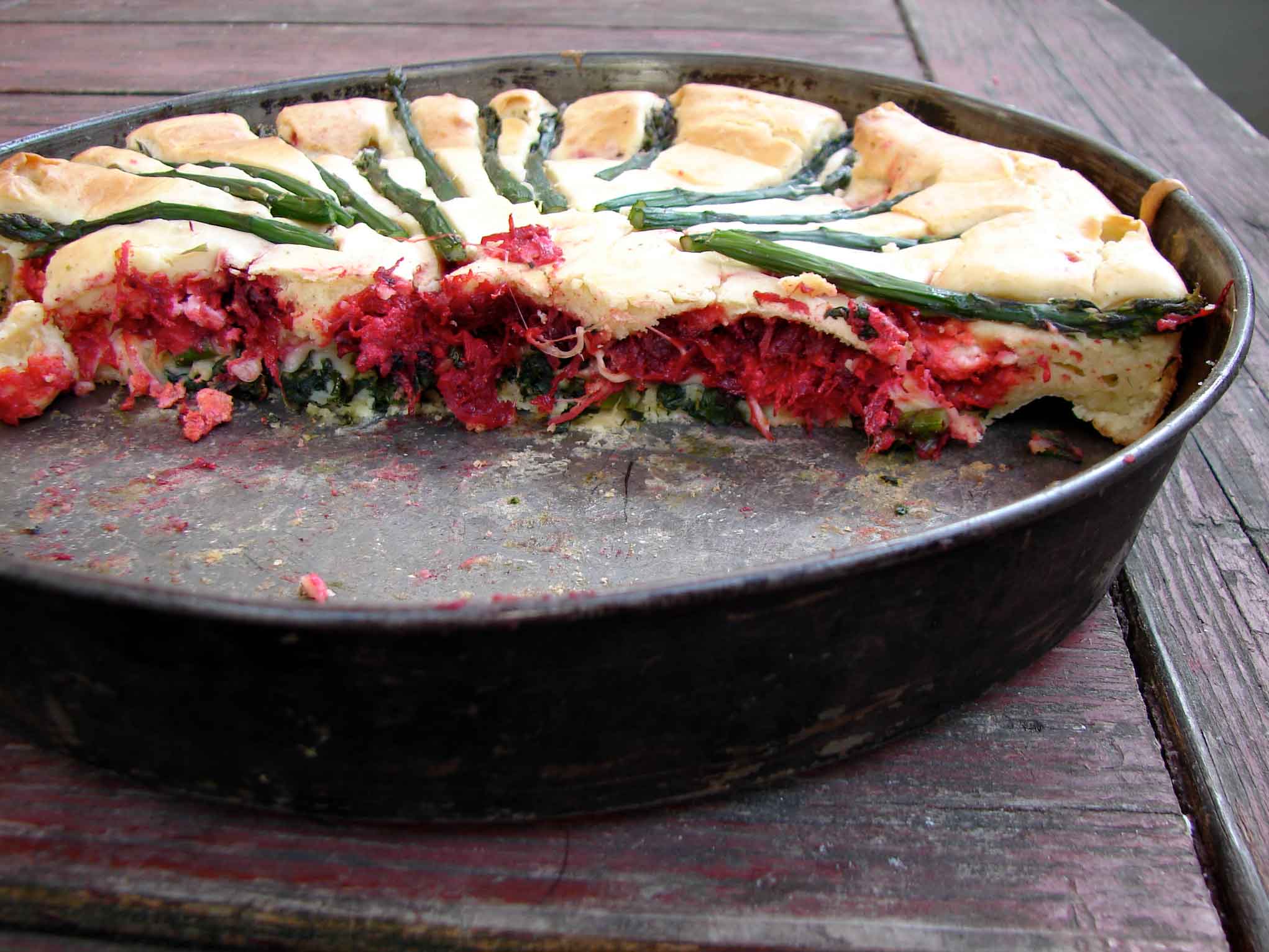
Yesterday at the flea market we met a French couple selling baking pans. I liked them so much, in an instant. They seemed so kind and friendly. We bought a half dozen pans of surprising proportions, and I’m excited to use them all. One was very large with straight sides about 1 1/2 inches high. I knew right away that I wanted to make a big savory cake in it. I’m fascinated by the idea of savory cakes, because I don’t think I’ve seen it anywhere, and I wonder why. We have savory pies and savory pancakes, but not savory cakes. I’ve experimented a bit, with a cake with chard and chickpea flour, and one with cornmeal and beets. This particular cake had ground almonds, and I made it like a savory version of a gateau basque, so it had two layers, combined on the edges, and containing a filling of toasted beets, mozzarella, goat cheese, beet greens and asparagus. And the asparagus tips are on top for decoration. I thought it was really delicious. Unexpected, with nice flavors and textures. Not too soft, not too dry. I was happy with the way it turned out! If you don’t happen to have a big French cake pan, you can use a regular cake pan or a small roasting pan.

Here’s Bob Marley with Wake Up and Live
Continue reading

Roasted grape tomato crostini, and penne with zucchini, spinach, olives, capers and almonds

Roasted grape tomato crostini

Roasted grape tomato crostini

A while back I was standing in the kitchen at work waiting for food to run, and I chatted with the food runner, who was standing in the same place with the same intent. For some reason, I mentioned to her that you’re not supposed to be sarcastic in front of children because it confuses them. She laughed and said, “your kids must be confused all the time.” Well! This gave me pause. I hadn’t spoken often with the runner or even said much in her presence. How could she know about the sarcasm? Had my inner-sarcasm somehow seeped through the cracks of my professional and friendly demeanor? Because I don’t think you’re supposed to be sarcastic in front of bosses or customers either–they get confused, too. I started to think about what it means to be sarcastic in front of your children. It’s true that my boys get confused when you say something they know isn’t true. When Isaac walks into a room, don’t say, “Well, who are you? I’ve never met you before,” because he hates it as much as if your words could actually negate his existence. (Although apparently he’s allowed to say, “Mom, my right arm is attached to my left hand and my left hand is attached to my right arm, and both my arms are put on backwards!” and I’m supposed to take this alarming information all in stride.) Honestly, children ask a lot of questions. Sometimes you don’t know the answer, sometimes it’s too complicated, and sometimes it’s too dull, and like Calvin’s dad, you find yourself presenting a different version of the world. So when they ask you why the subway is so much hotter than the street, you might find yourself answering, “because it’s closer to the fiery earth’s core,” instead of the actual answer–that it’s the cumulative temperature of all the pee that’s been peed there, which can’t cool and evaporate so far under ground, because this is obviously too scientific an explanation for little minds. But surely this is just using your imagination to present an alternative view of the world, and surely the world is always shifting and mutable anyway, so that there are no constant and correct answers. Obviously, if your child is uncomfortable you abandon the joke, but most of the time they recognize a good story, and if nothing else, they learn to become very skeptical of everything they’re told, and that can’t be a bad thing. I did a little research on the subject of sarcasm and children. Apparently, you’re not supposed to be sarcastic at all, in front of anybody, ever, because it’s cruel and dishonest. Well! (again) this gave me even more pause, because I love sarcastic humor, but I abhor cruelty and dishonesty. Sarcasm comes from the Greek meaning to tear or cut the flesh, and I realize this does sound cruel, but like anything else in life, it’s how you use it. You can use sarcasm to be snarky and bullyish and make people feel bad about themselves, certainly. But why would you? You can also use sarcasm to cope with an unpleasant situation, to make fun of yourself, to express something that you’re not allowed to come out and say. It’s a coping mechanism, and it’s a tool I’d like my children to posses. I always admire people that can disarm a tense or nasty confrontation with a joke. At its most effective, sarcasm can demonstrate the absurdity of a predicament and help you to change it or wade through it. And, far from being dishonest, sarcasm, like all humor, is a way to speak truths that otherwise couldn’t be spoken, that wouldn’t be accepted in any other form. With sarcasm and irony you can turn the world on its head, and sometimes that needs to happen. So I’m not going to teach my boys that sarcasm is bad, I’m going to teach them that pettiness and cruelty are bad, however they’re expressed. And when they each inevitably develop a sarcastic sense of humor (they’re sarcastic on their father’s and mother’s side, so it’s only a matter of time), I’ll be glad to step back from the world with them, have a chuckle at the absurdity of it all, and forge back into life better prepared to shape it the way we like it.

Zucchini and spinach with olives and almonds

Zucchini and spinach with olives and almonds

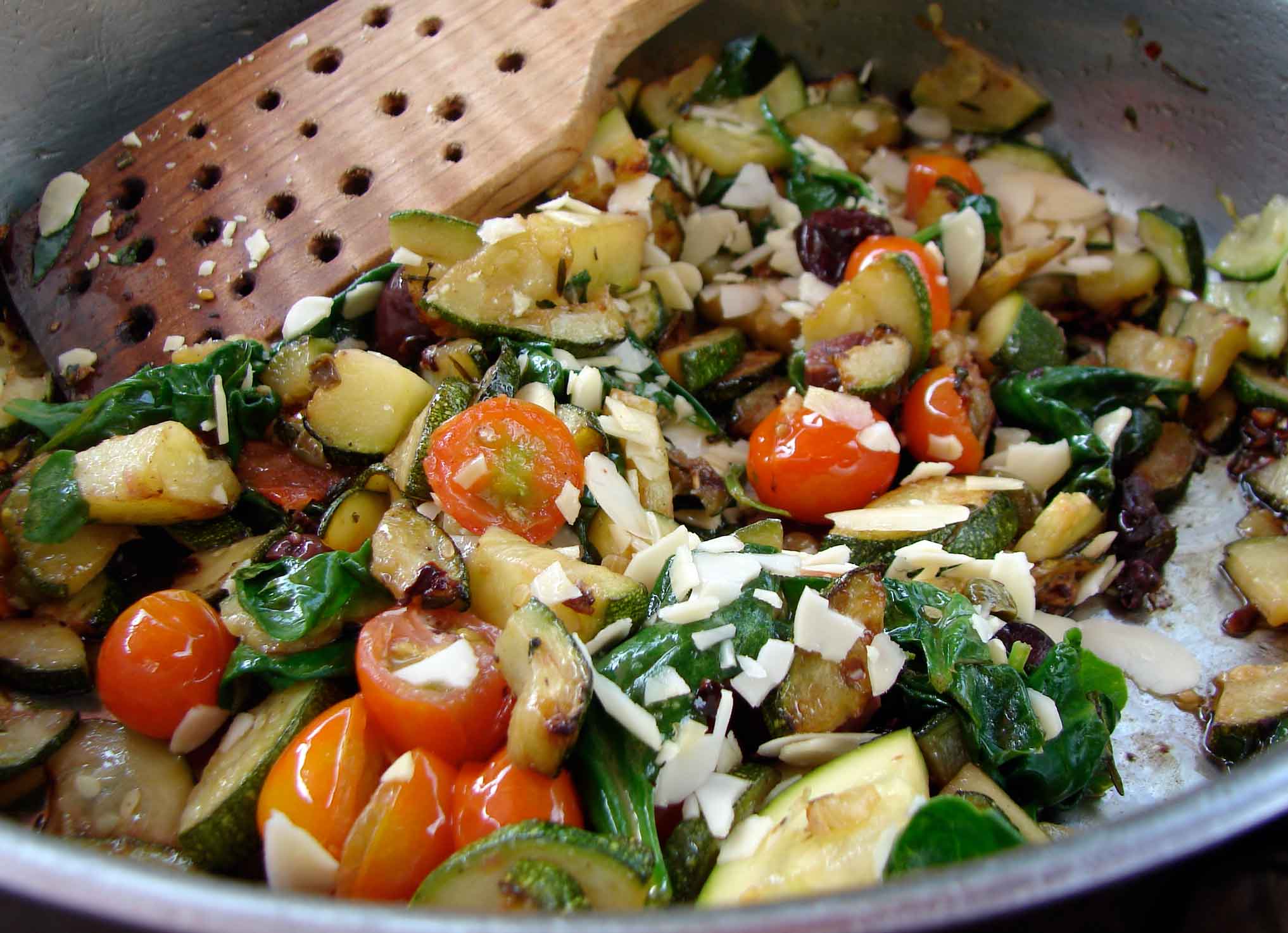
I’m combining these two recipes because we ate them together, but they’d each be fine on their own. They’re both super-simple, so this is a nice summer meal. I roasted some grape tomatoes with olive oil, balsamic and herbs (use fresh if you have them!) and piled this on little toasts spread with goat cheese. That’s it! A nice combination of flavors, though. And then I made a stir fry of zucchini with spinach, capers, olives, and topped the whole thing with almonds. The boys ate it with pasta as a sort of pasta primavera and I ate it over greens as a sort of warm salad. Good either way!

Here’s Jelly Roll Morton and his Red Hot Peppers with Hyena Stomp. Need a laugh? This has plenty.
Continue reading

Blackberry chocolate chip galette

blackberry and chocolate chip galette

blackberry and chocolate chip galette

On the back of my new copy of Aristotle’s The Nicomachean Ethics, it says “The supreme happiness, according to Aristotle, is to be found in a life of philosophical contemplation; but this is only possible for the few…” Well, I think it’s obvious that I don’t need to actually read the book to determine that I’m one of those few. I love just sitting around and thinking. I do it all the time! Seriously, you can frequently find me sitting on the couch with my dog and, you know, contemplating things. In fact, I think this makes Clio a philosopher, too, because she’s a contemplator. Oh yes, she’s almost always in an attitude of thoughtful contemplation, when she’s awake. All joking aside, I do actively enjoy thinking. I always have. This is why I’m never bored. This is why our recent 14-hour car trip, aside from the stress of driving and the achiness of my back, was no real hardship. I brought books to read and to write in, but mostly I just sat and thought, and that felt good. I tried to steer my thoughts a little bit, to head them away from things I didn’t want to think about, and head them in the direction of things I did want to think about. I tried to focus them on stories I hope to write or the movie I want to make. But I wasn’t too successful at any of this, and in the end I just let my mind wander where it would. But I think that’s fine, because most of the time my best ideas and my best writing–my brightest strings of words–come when I least expect it, when I’m concentrating on something else. I think it’s healthy and even productive to take some time, once-in-a-while, to let your mind meander–not to try to figure anything out or write anything down, just to let it go. I think it was good for my boys, too, to be away from television or video games, and just to sit and watch the world go by, and think their thoughts, and snooze, and wake to watch the world go by again. I feel very grateful to have my thoughts, I feel like they’re valuable. Sure it’s hard to be stuck in the same mind, all the time, and my thoughts drive me crazy sometimes, but they’re mine, and nobody can take them away from me. And everybody has this! Everybody has this gift of contemplation and reflection! All the time, whenever we need it. Everybody’s thoughts are valuable, if they’d only recognize that this is true, and nobody needs to be bored ever.

I believe this galette is what one would call a rustic fruit tart. Which mostly means that you don’t have to worry about getting the crust perfect. You just sort of fold it up on itself. And because the crust has hazelnuts and brown sugar in it, it’s like a big cookie, so you don’t have to worry about making it super-thin. Hazelnuts, chocolate and blackberries are lovely together–juicy, bitter-sweet and nutty. There’s a sort of baked custard that hold everything together in this. If it seeps out of the edges of your crust, don’t worry about it, just break these parts off before you serve the galette.

Here’s Tom Waits with Everything You Can Think.
Continue reading

Pistachio & arugula pizza

Pistachio and arugula pizza

Pistachio and arugula pizza

We were in the car for over 28 hours in the last three days, and we got home late last night. Today I feel as though I’d been hit over the head. I’m stupid-tired. I have a lot to do to catch up, of course, but this morning I spent some time sitting on the couch with Clio’s head on my lap, getting all weepy about Nina Simone singing I Wish I Knew How it Would Feel to be Free. I’m in love with this song! I’ve talked about it here at The Ordinary before (twice!), so I’m not going to go on and on telling you why I love it. I’m not going to tell you that the song was written by Billy Taylor for his daughter, that it became an anthem for the civil rights movement. I’m not going to share the fact that when Nina Simone sings it, it sounds to me as though it becomes about a sort of fundamental, elemental freedom. Freedom from anything that binds you by labeling you–freedom from race, nationality, faith–freedom almost from yourself. It’s about freedom to have a voice, and to trust your voice enough to be heard. It’s about the freedom to live with passion and creativity, the freedom to create what you need to create, to do the work you need to do. And to be free not just from the restrictions society puts on you according to the way that it labels you, but also from nagging self-doubts and fears. The song expresses a sort empathetic morality that really appeals to me, and which I’ve been thinking a lot about lately. I won’t tell you that I think the most beautiful part is that she knows! Nina knows how it feels to be free, you can feel it in her voice. And she says, “I sing because I know, I sing because I know.” I love that! Of course she knows and thank god she sings.

Here’s Billy Taylor playing the song.

Here’s Nina Simone’s version, with lyrics

Here’s a live performance by Nina Simone.

And here’s an absolutely remarkable extension of the song, also Nina Simone live.
pistachio and arugula pizza

pistachio and arugula pizza

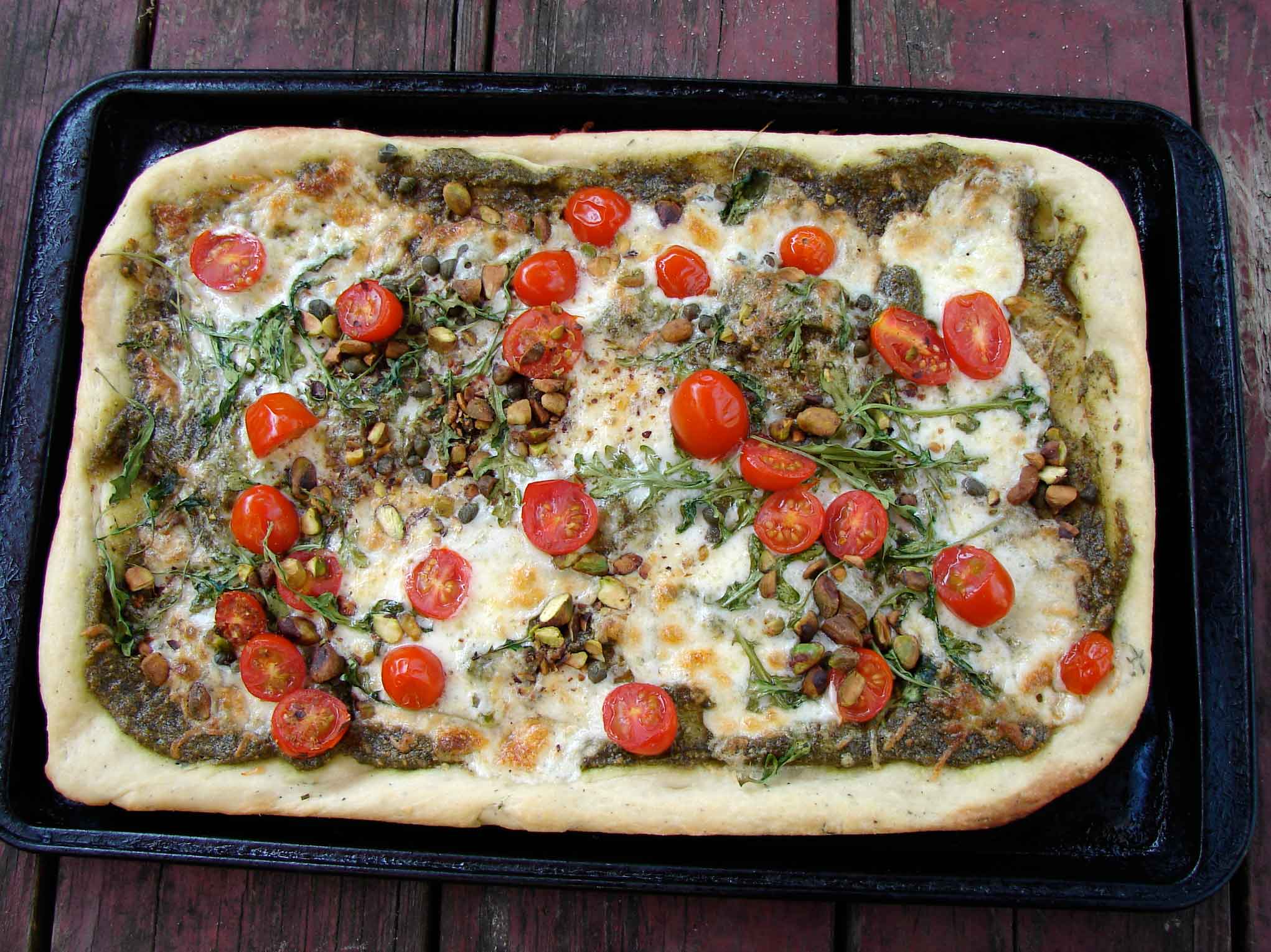
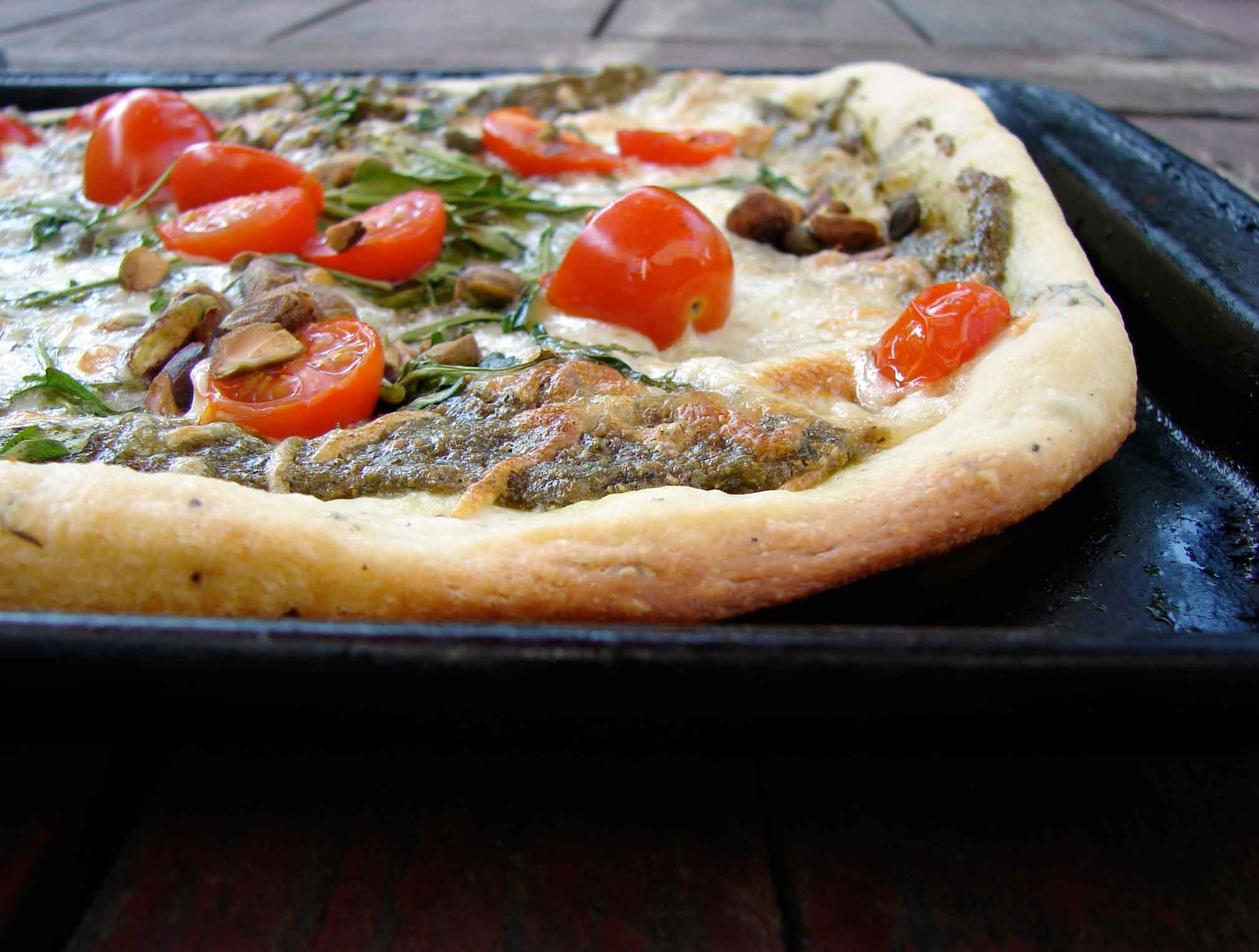
This pizza has arugula pistachio pesto on it, and it has arugula and pistachios! It also has capers, cherry tomatoes and an herbaceous crust. I thought it was deeeeelicious. This recipe is enough to make two large pizzas just like this. If you want the second pizza to have different sort of toppings, you can half the pesto recipe, or make the full amount and eat the pesto in any other way you’d like.

Continue reading

Whole wheat umami scrolls

umami scrolls

umami scrolls

I read yesterday that the Elizabethans categorized five types of wit. Aha! I thought: the self-deprecating aside, the broad bawdy tale, the absurd jest, the clever quip, and the knock knock joke. Of course, this isn’t what they meant at all. They defined five wits to correspond to the five senses. “The five wits were sometimes taken to be synonymous with the five senses, but were otherwise also known and regarded as the five inward wits, distinguishing them from the five senses, which were the five outward wits.” The five inward wits are common wit, imagination, fantasy, estimation (instinct) and memory. I’ve been reading some of Hobbes’ Leviathan, which dates from a similar time, and he explains how this works. When a person senses something physically, it makes waves inside of them as the wind makes waves on water. This decaying sense leaves an impression or an image, and this is the source of imagination or fancy. “And it is found in men, and many other living Creatures, aswell sleeping, as waking” This decaying sense, as it recedes, is called memory, and memory of many things is called experience. The imaginations of them that sleep are called dreams, and such imaginations that we don’t recognize as occurring during sleep, because the sleep is so quick, are called apparitions or visions. Imagination expressed in words or any other voluntary sign is Understanding, and “is common to man and Beast.” Predictably, I love this! I’m not very comfortable defining or deciding things, but I love to watch other people do it in an attempt to explain the strange workings of the world around them and inside of them. I love to think about how carefully Hobbes defined vagaries of sensations and emotions that seem impossible and indeterminate. Apparently, today, even scientists say that the notion that we only have five senses is outdated and limited. Of course we have more than five senses! We sense balance and movement, we sense warmth and cold, we sense time passing. If we close our eyes we know the position of our hand, even though it’s not being detected by any of the five traditional senses. And I identify other senses not defined by Hobbes or science (as far as I know), but possibly the most important of all. Emotional senses, maybe. Sense of empathy, sense of decency, sense of humor–which brings us back to the beginning, when sense and wit collided in all of their shades of meaning. Even in Shakespeare’s time, wit meant not just sense and intelligence, but humor as well–the ability to see the absurdity of all of this confusion of sensations. What complicated creatures we are, moving through the world, taking it into ourselves and making it part of our memory and dreams. And this is true of man and beast, as well sleeping as waking.

We used to break down the sense of taste into four categories: bitter, salty, sweet and sour. And then we identified a fifth! Umami is that flavor. It’s a pleasantly savory, meaty flavor. As a vegetarian, I love the challenge of trying to create an umami flavor whenever I can. These rolls are a companion to the chocolate-covered cake of yesterday’s post. They, too, were meant for a wine tasting of Australian shiraz(es?). They, too, are very loosely based on the recipes of The Guardian UK’s Australian baker, Dan Lepard. Apparently, in Australia, one can find cheese and vegemite scrolls, which are like savory cinnamon buns. So I made these with marmite, tamari, spinach and balsamic. I thought these would be nice with wine.

Here’s Common with The Sixth Sense.
Continue reading

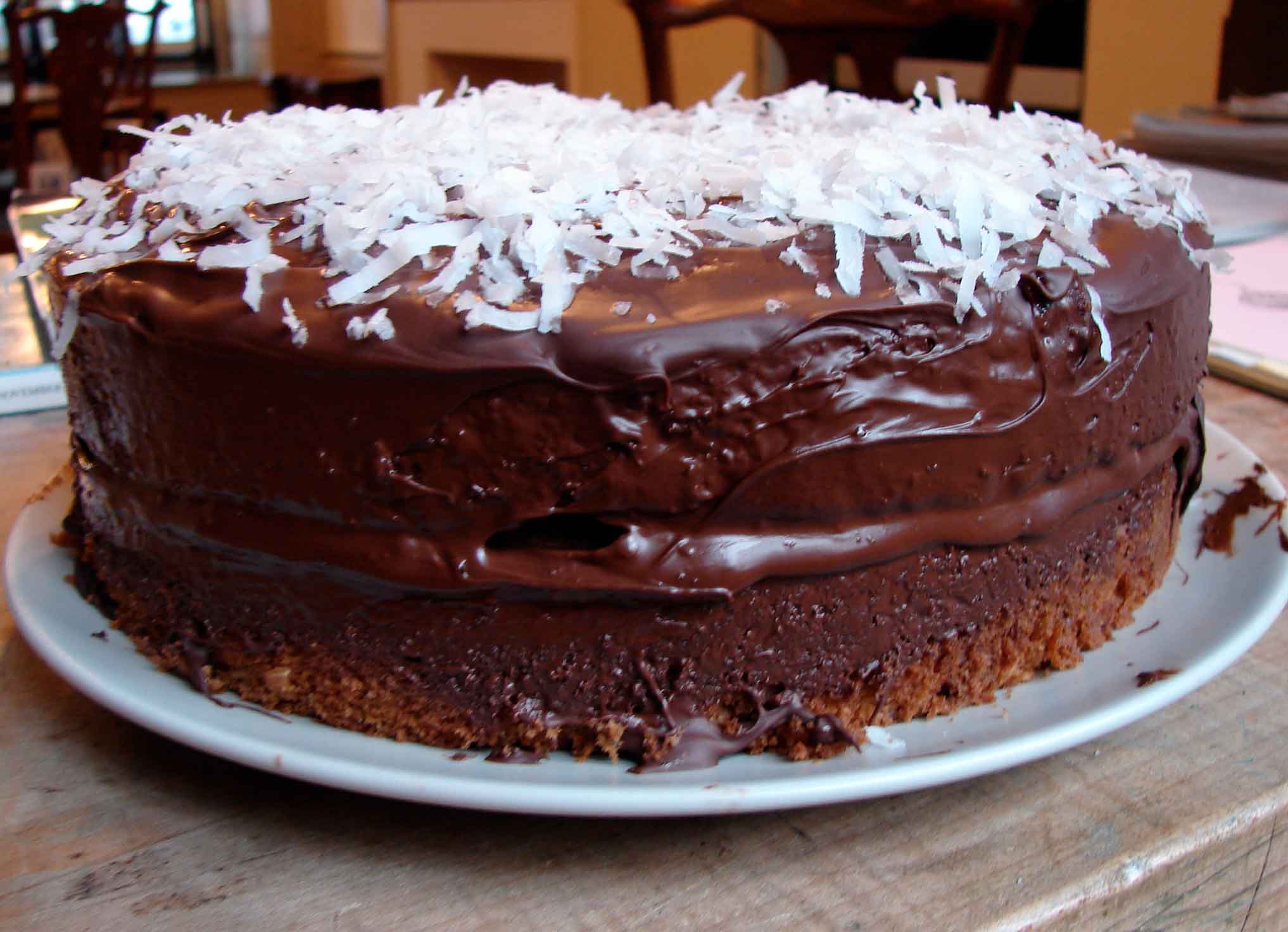
Chocolate-covered candied ginger and coconut cake

Chococlate-covered ginger and coconut cake.

Chococlate-covered ginger and coconut cake.

We watched a movie the other night because the Guardian UK told me to and because it was written by (and starred) someone I admire. Well! The Guardian UK and the writer of this film are no longer my BFFs, because it was a bad film. It was a disappointing film. And it wasn’t even an originally bad film. It was just like every other film in its genre in every way; plot, platitudes, humor, prom scene. Ugh. Here’s the message of the film, delivered with a big self-righteous group hug: It’s not okay to be mean to people who are uglier and less fashionable than you are. Not okay! If you’re pretty, you have to be nice to ugly poorly-dressed people, and they’ll be very grateful for the attention. And that’s it. This is the kind of thing that makes me feel like growling–it’s not just stupid, it’s also dangerous because it cements stereotypes of human aesthetics that are just absurd. Nobody is prettier than anybody else. Even on a completely superficial level, ideas about what makes a person beautiful have changed so much throughout history, and they continue to change so much from country to country and culture to culture, that it becomes ridiculous to need to decide that one person is more beautiful than another. And it’s even more farcical to judge a person on their sense of fickle fashion, as any of the sharp, popular kids from 80s movies will tell you. Oh, how foolish they look now! People become more beautiful as you get to know them, the more so the more you like them. It’s not the symmetricality of a person’s features or the color of their eyes that makes them appealing, even on a purely aesthetic level, but the light cast in those eyes by ideas, by emotion and wit and understanding. It’s the way that each person is different from everybody else, the way that they’re strange to you. It’s the fact that they change with every changing mood and every passing year. The fact that they’re inexplicable and new with every shifting expression. If you were to make a movie about one of the token “ugly” people in any of these popular-kid films, and focus on them to the extent that we understand their story–that we hear their jokes and see their dreams and their talents, they would become the beautiful ones. Everybody finds different characteristics appealing, and it’s so damaging and limiting to suggest that the world is some sort of non-stop beauty contest with a very narrow-minded set of judges. And I’m speaking here merely about visual attraction. Not about “inner beauty” (yes, yes, it’s a sappy cliche, but no more so than the idea that barbie dolls constitute ideal beauty.) And not about the fact that vision is only one of the senses, and not the most important sense, in determining physical attraction–not more important than touch, taste, smell, sound. Not more important than all of those. It makes me sad to think that the “pretty” people in this bad movie and, I’m afraid, in life, are popular because we’re told that they should be by dumb movies and by magazines, and we’re foolish enough to buy it. Yeah. Join me next week for my rant on the idiocy of the whole concept of popularity!

I made this cake for a client who was holding a wine tasting featuring Australian shiraz. The client (henceforth known by her actual name of “my mom”) wasn’t looking for specifically australian foods, but I thought it might be fun to find something sort of Australian anyway. So I based this very loosely on cakes made by Dan Lepard, and written about in the pages of my former BFF, The Guardian UK. I think the strong flavors of ginger and bittersweet chocolate and marmalade go nicely with the very rich and flavorful wine that is Australian shiraz, any way, whether they be typically australian or not. This turned out to be a big handsome cake, and not at all difficult to make either.

Here’s Strange, by Screamin Jay Hawkins, about the unusual woman that he finds beautiful.
Continue reading

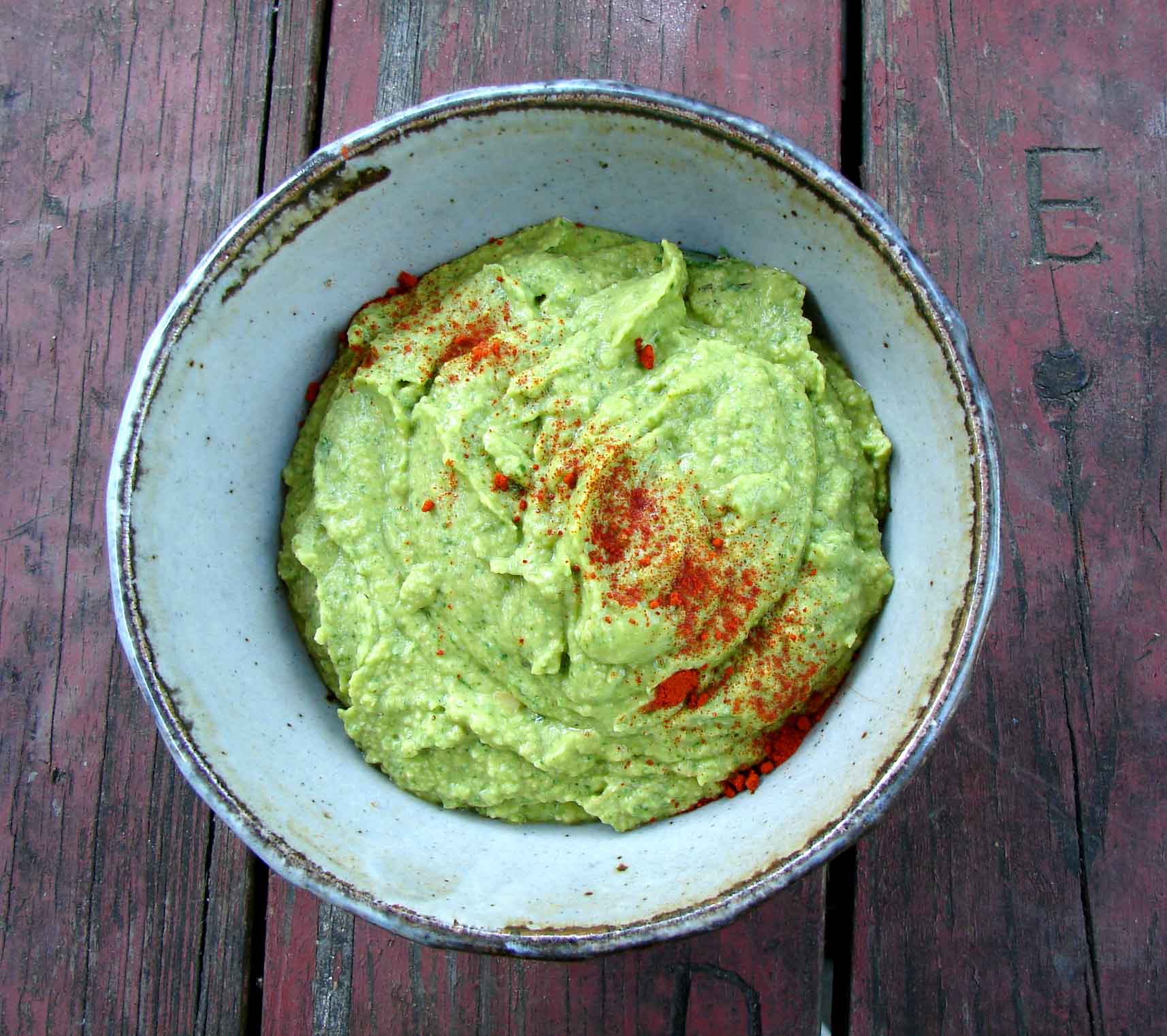
Spinach and herb hummus

Spinach and herb hummus

Spinach and herb hummus

The memorial day parade goes right by our house. We live in a small town, so it’s a small parade, but people come early and set up lawn chairs. They line the streets, waiting, with their early morning Italian ices. The band marches by, loud and raggedy and perfect, followed by the city council members, then a small group of girl scouts and boy scouts, and then the ladies auxiliary drives by. The town’s veterans walk by, followed by a car-full of veterans of foreign wars. And then every single fire truck for miles around rattles by our house. Everybody throws candy, and my boys sit on the stoop waiting, and scramble around to pick up the pieces as they fall. This is what memorial day is about for my boys. I think they miss the bigger meaning of the day and think it’s sort of a small-scale halloween–a twin celebration that strangely combines remembering the dead with eating candy, just like halloween does. And it’s a good day for me to try to turn off that part of me that’s resistant to any kind of flag-waving, pom pom shaking show of school spirit or patriotism, that’s always been distrustful of what could easily become unthinking support for any cause, which has gotten us into too many wars in the first place. A good day for me to try to silence my inner cynic, and recognize the value of remembering, as a community, and sharing our gratitude. After all there’s something very moving about our scruffy little parade, something solemn and joyful and beautiful.

I worked a long weekend, too, because aside from everything else, Memorial day is a holiday and people go out to eat. Lots of people. So I was too tired to cook when I came home, and we made one of my favorite quick and tasty dinners. Oven roasted french fries and hummus! I blended some baby spinach into the hummus for flavor and greenness. And I added some herbs. I used dried, but obviously fresh would be far better.

Here’s Dancing at Whitsun by Jean Redpath.

    The fields they stand empty, the hedges grow free
    No young men to tend them nor pastures to seed
    They are gone like the forests of oak trees before
    Have gone, to be wasted in battle.

    Down from the green farmlands and from their loved ones
    Marched husbands and brothers and fathers and sons.
    There’s a fine roll of honour where the Maypole once stood,
    And the ladies go dancing at Whitsun.

    There’s a straight row of houses in these latter days
    All covering the downs where the sheep used to graze.
    There’s a wreath of red poppies a gift from the Queen
    But the ladies remember at Whitsun,
Continue reading

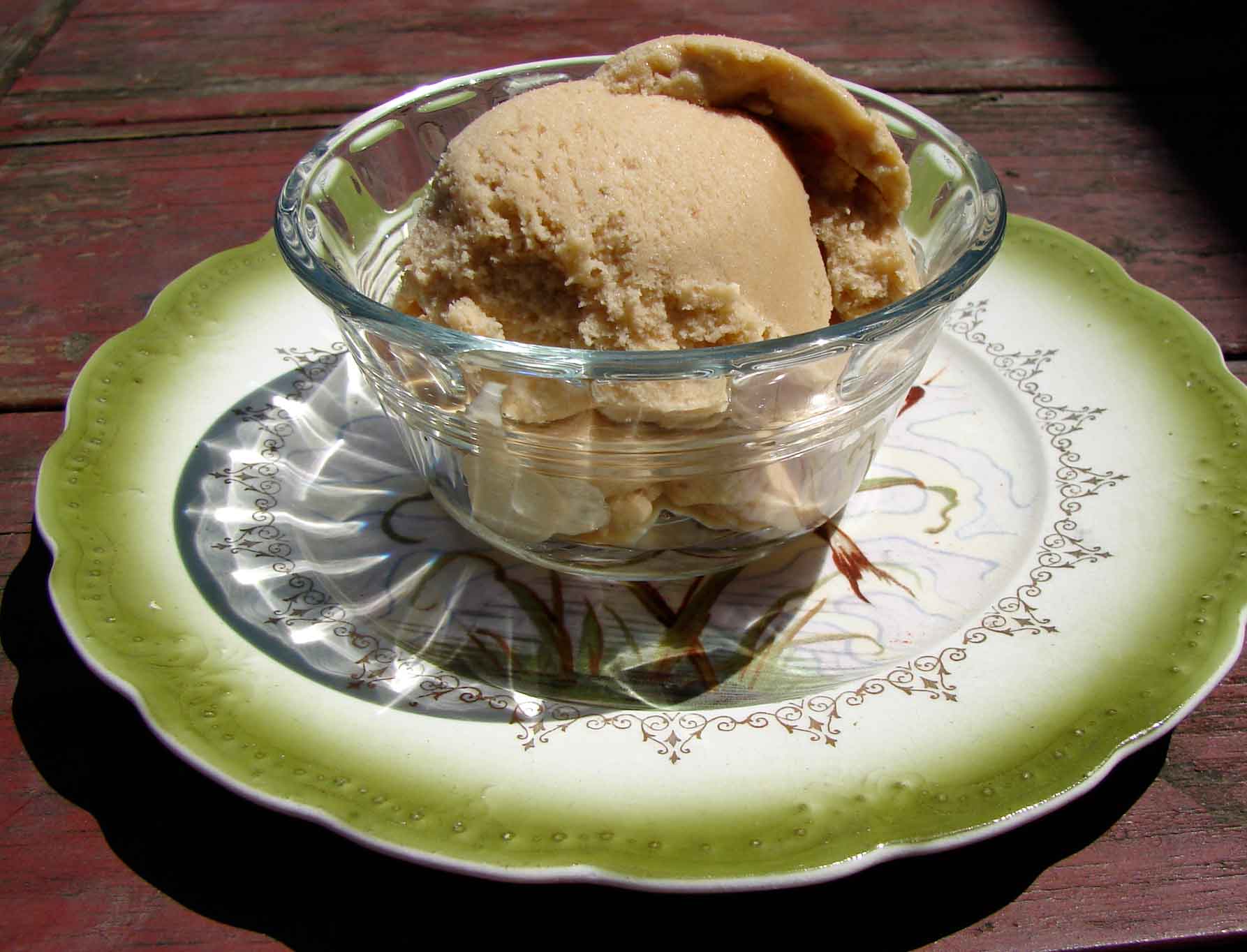
Spicy champagne mango ice cream

Spicy champagne mango ice cream

Spicy champagne mango ice cream

Hey! It’s a funny word, isn’t it? On its own it doesn’t mean anything–it’s not much of a word, really. Given the right inflection, it can speak volumes. Are you getting someone’s attention? Challenging them to a fight? Trying to pick them up? At a loss for the right word to express the intensity of your emotions? Hey, baby, you’re not the only one. I’m a big fan of non-verbal and barely verbal communication. Sighs, gestures, expressions, ums, ahs, shrugs. I find it fascinating that they can be universal, but they have their own sort of dialect, as well, within each language and part of the world. I think of “Hey!” as being very American: brash, overeager, a bit rude, very immediate–it almost comes with an exclamation point built in! But it can be gentle as well, and poignant. As Big Bill Broonzy says

    With my arms all around you, baby,
    you know, that’s all I can say is hey

So today’s interactive playlist is HEY songs. My readers recommender friends will recognize that I’m plagiarizing my own ‘Spill post from some years ago, but, hey, it’s a good topic, and I wanted it in my collection of playlists here on The Ordinary. I’ve added some ‘Spillers suggestions from that time. My non reader recommender friends will have no idea what I’m talking about. ‘Spill? What’s this ‘Spill?

I love champagne mangoes, so smooth and sweet and almost piney. I bought one a while back, and I kept waiting for just the right moment to eat it, and as so often happens, I waited so long that the moment passed, and it was too ripe. So I made it into ice cream. I made a spicy ice cream, with cayenne and ginger and cardamom, because I love the contrast of spicy and creamy-cool. I cooked the mango with the milk, which made it taste almost like bananas somehow. I think you could probably just puree it and add it raw. I’ll try it sometime, and let you know how it goes.

Here’s your link to our interactive HEY! playlist. Add what you like, or leave a comment and I’ll try to add it when I have time.
Continue reading

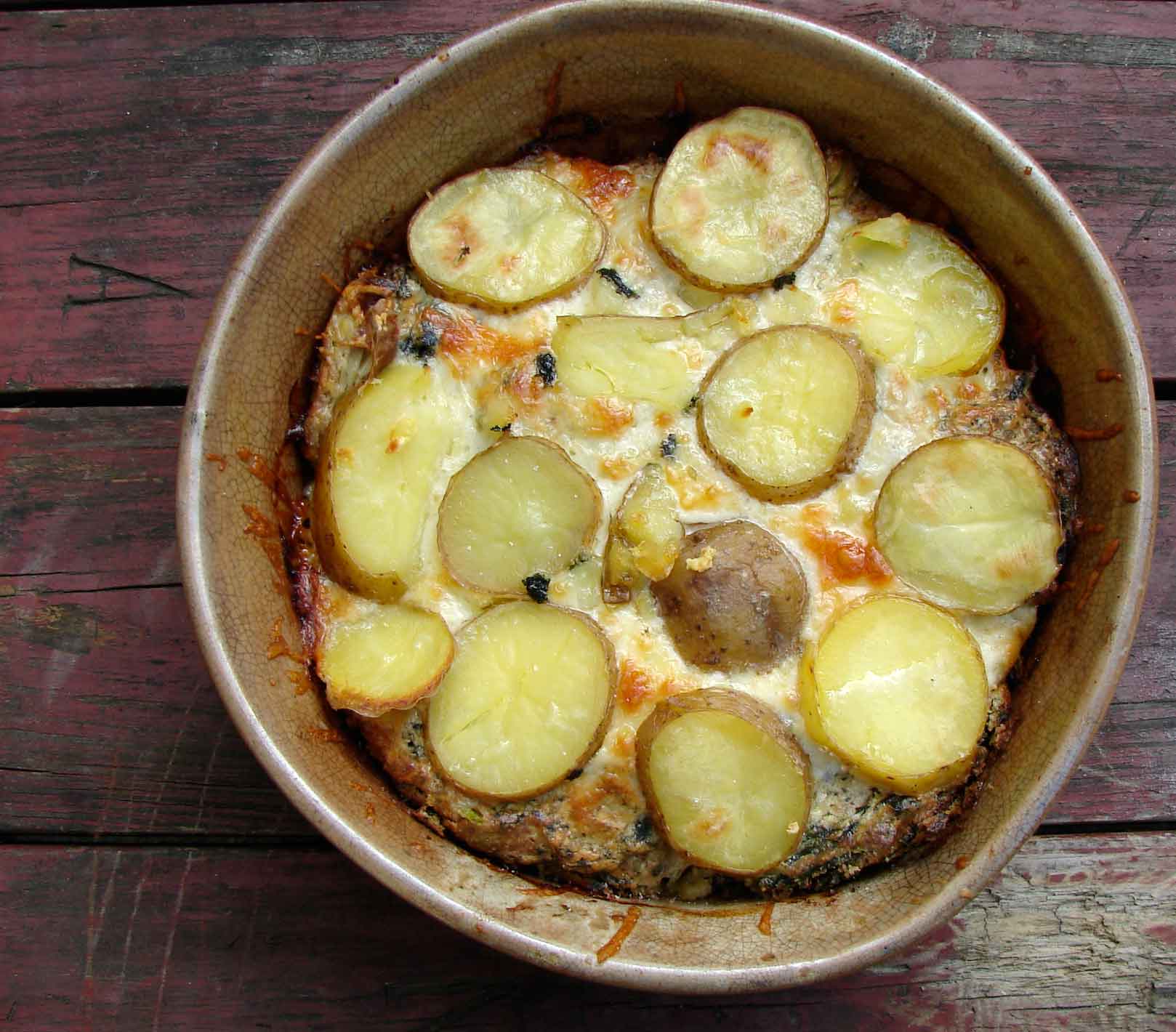
Thinly sliced potatoes baked with kale, artichoke hearts and pesto ricotta

Potatoes layered with kale, artichoke hearts and pesto ricotta.
Potatoes layered with kale, artichoke hearts and pesto ricotta.

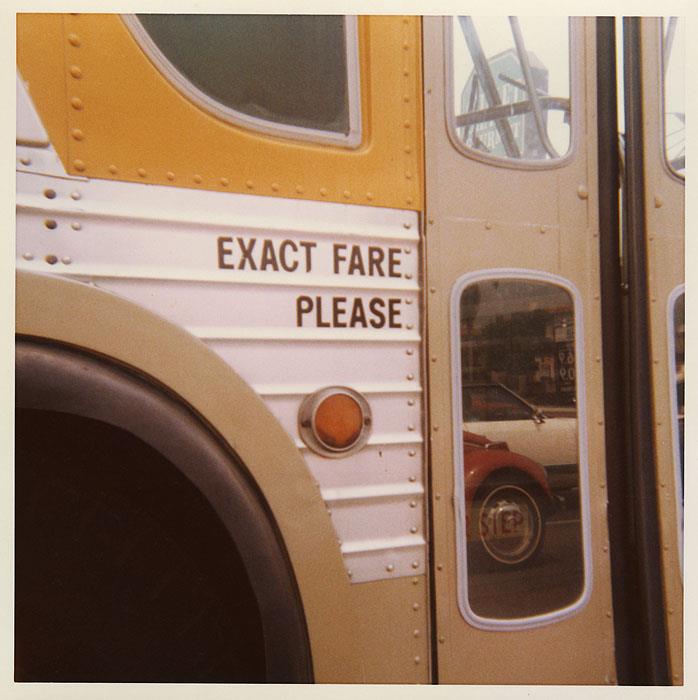
It’s that time again, everyone! It’s Saturday storytelling time. As you will no doubt recall, each Saturday we post a found photograph, a vernacular picture, and we write a story about it, and invite everyone else to write one, too. And then, in theory, we all read each others’ stories and offer wise editorial advice. Today’s picture is quite cryptic. There’s no human in this one, no subject, so you can imagine the characters however you’d like. And here it is… Send me your story and I’ll print it here, or send me a link to share, if you have somewhere of your own to post it.
482433_10151466397389589_2027213003_n

So, kale and artichoke hearts and tarragon pesto layered with sharp cheddar and thinly slice potatoes. A meal in a dish. I suppose it’s a little like lasagna with potatoes instead of pasta. It was very comforting and warm, but tarragon, artichoke hearts and sharp cheddar added some brightness. If you don’t have tarragon pesto, you can use regular old basil pesto, or you can just add some herbs as you like them to the ricotta.

Here’s Hey Hey by Big BIll Broonzy, my new favorite.

Continue reading