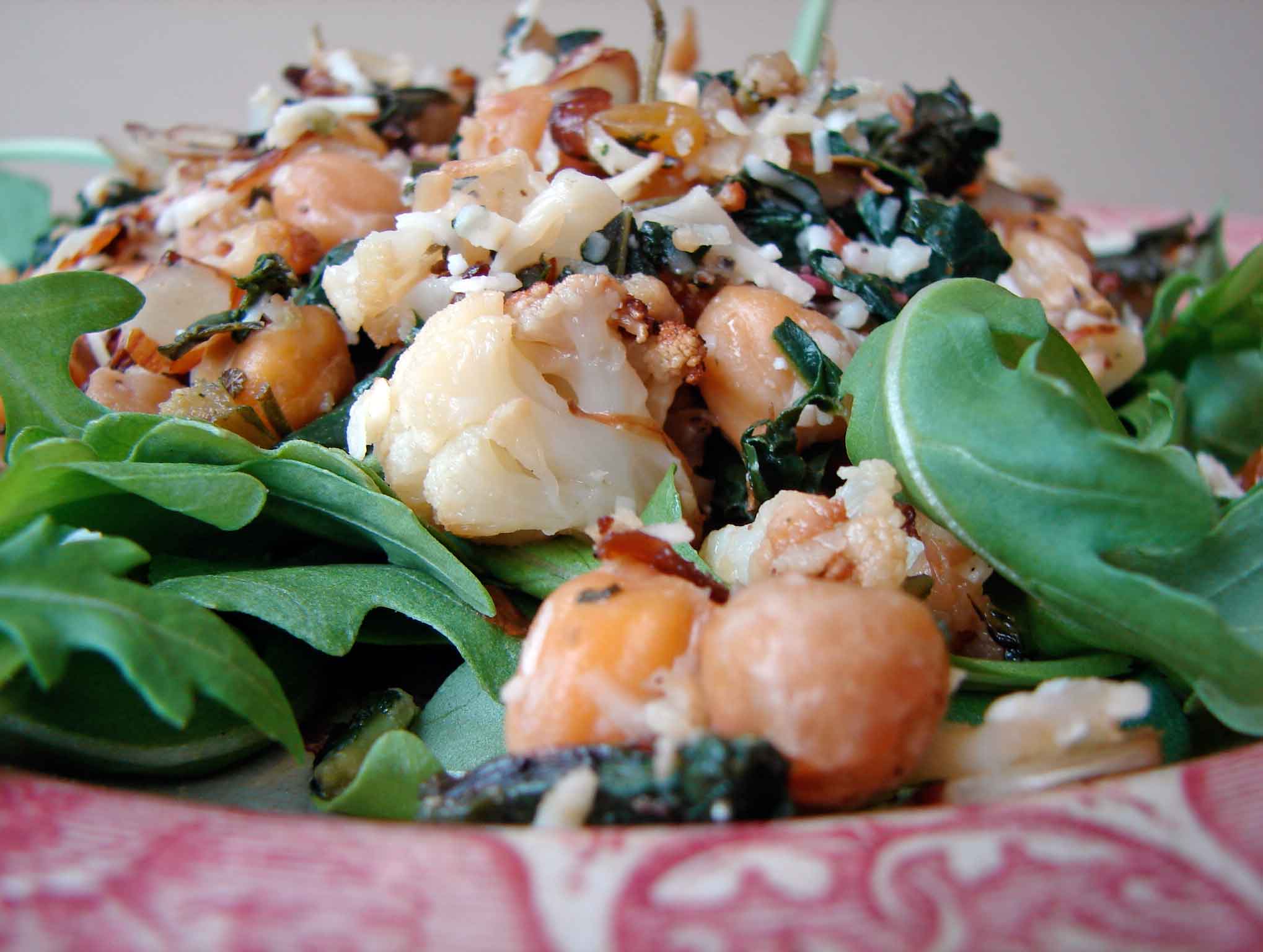
Roasted chickpeas and cauliflower with kale, raisins and almonds, and manchego cheese

Roasted cauliflower and chickpeas

Roasted cauliflower and chickpeas

Welcome to The Ordinary: Extreme sports zone! As you no doubt know, we have an extensive sporting complex, here at The Ordinary: from the pristine olympic-sized pool on the roof, to the climate-controlled underground basketball court, to the miles and miles of jogging track that wend their way through our orchards and vineyards. In all honesty, we’re not that sporty. I like playing tag, from time to time. And I like shooting baskets with the boys, although my prowess has earned me the nickname “misses Adas.” I don’t like professional sports at all – at least in America – and find them bloated, cynical and joyless. But the boys are both playing basketball, and this I love!! Malcolm is at such an age that the sport is starting to be taken very seriously, and some of the parents are depressingly aggressive in their court-side advice. Malcolm seems happily oblivious to all this. Strangely, my son – my son – doesn’t have a lot of competitive instinct. He likes running back and forth on the court, but he doesn’t feel particularly happy about beating friends on the other teams. And Isaac is playing, too, for the first time, and I can’t tell you how beautiful it is to watch a bunch of seven-year-olds play basketball! Isaac-basketballThey don’t understand the rules, they don’t keep score, they can’t keep track of all of the things they’re supposed to do at once. Either they don’t dribble at all, or they dribble with painstaking care, watching the ball as it rises and falls with such rapt attention that everything else fades into a colorful blur. They’re easily distracted, practicing dance moves or pulling up knee pads as the ball rockets towards them. Nobody knows who they’re passing to, least of all themselves, until the ball is lobbed through the air in no particular direction. And they hop around like popcorn, so excited and happy, bopping and dancing, dribbling themselves up and down rather than the ball. And then a coach will yell “hands in the air,” and all of them will throw their hands in the air as in joyous celebration! It’s a beautiful thing, I tell you! It’s a mother-flipping life lesson for us all!
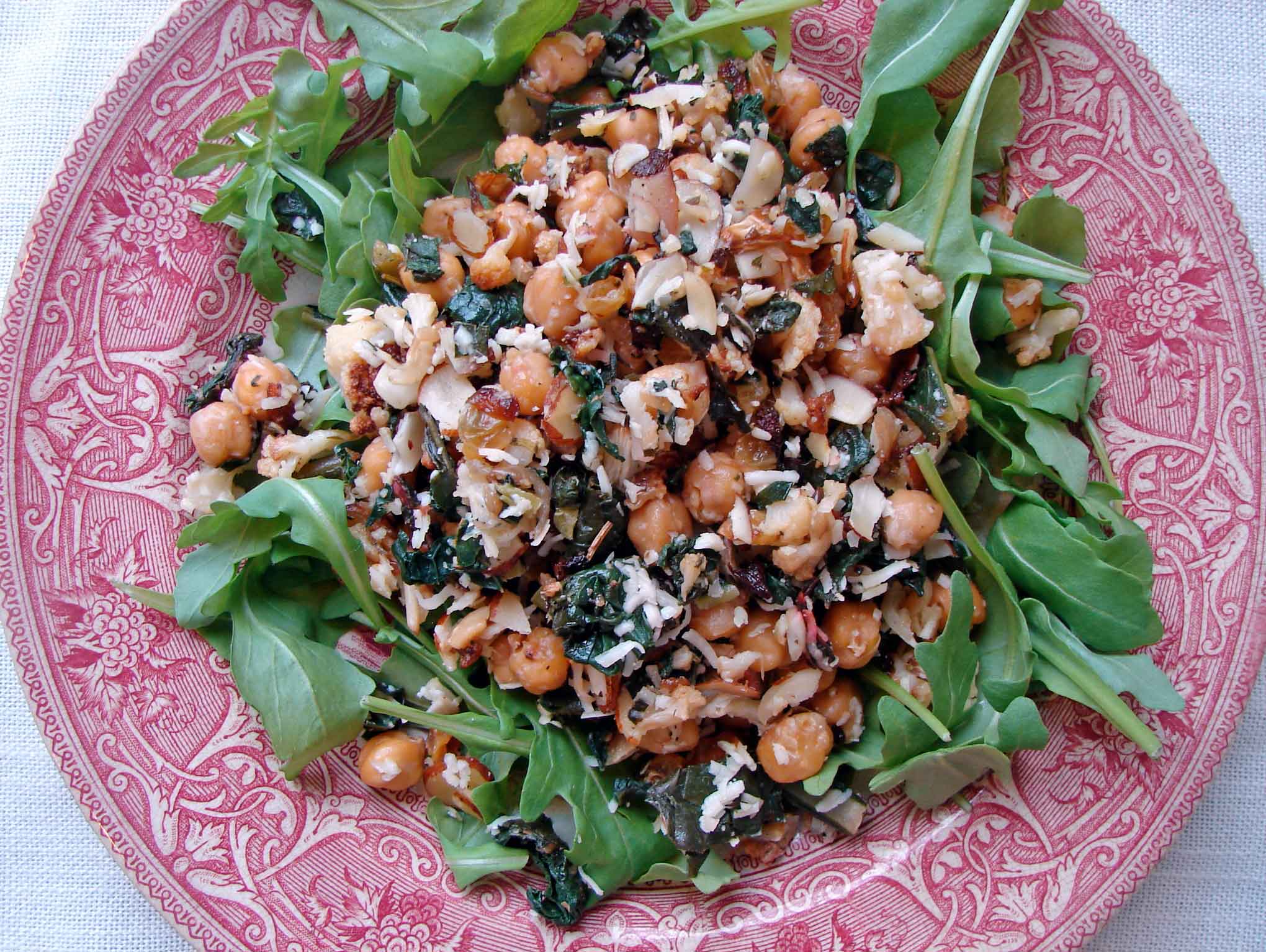
roasted-cauliflower-and-chiI started this meal before we left for the epic hour-long basketball game, and I put it all together when I got back. So it’s a good meal for when you’re distracted, it doesn’t take long to make, and it keeps well, either together or in its separate elements. You roast the chickpeas, cauliflower, shallot, garlic and herbs all together, and if they sit in a warm oven, they only become better. You boil the kale on top of the stove, and then you add the raisins, almonds and cheese at the end, with a squeeze of lemon. If you don’t have manchego, not to fear! Any cheese you like would work here, or no cheese at all! Similarly, if you don’t have kale you could substitute chard, spinach, or collards. The boys mixed this with basmati rice to make a sort of pilaf, and David and I ate it atop lightly dressed lettuce and arugula to make a sort of warm salad. Good either way!!
Here’s Jurassic 5 with The Game.

Continue reading

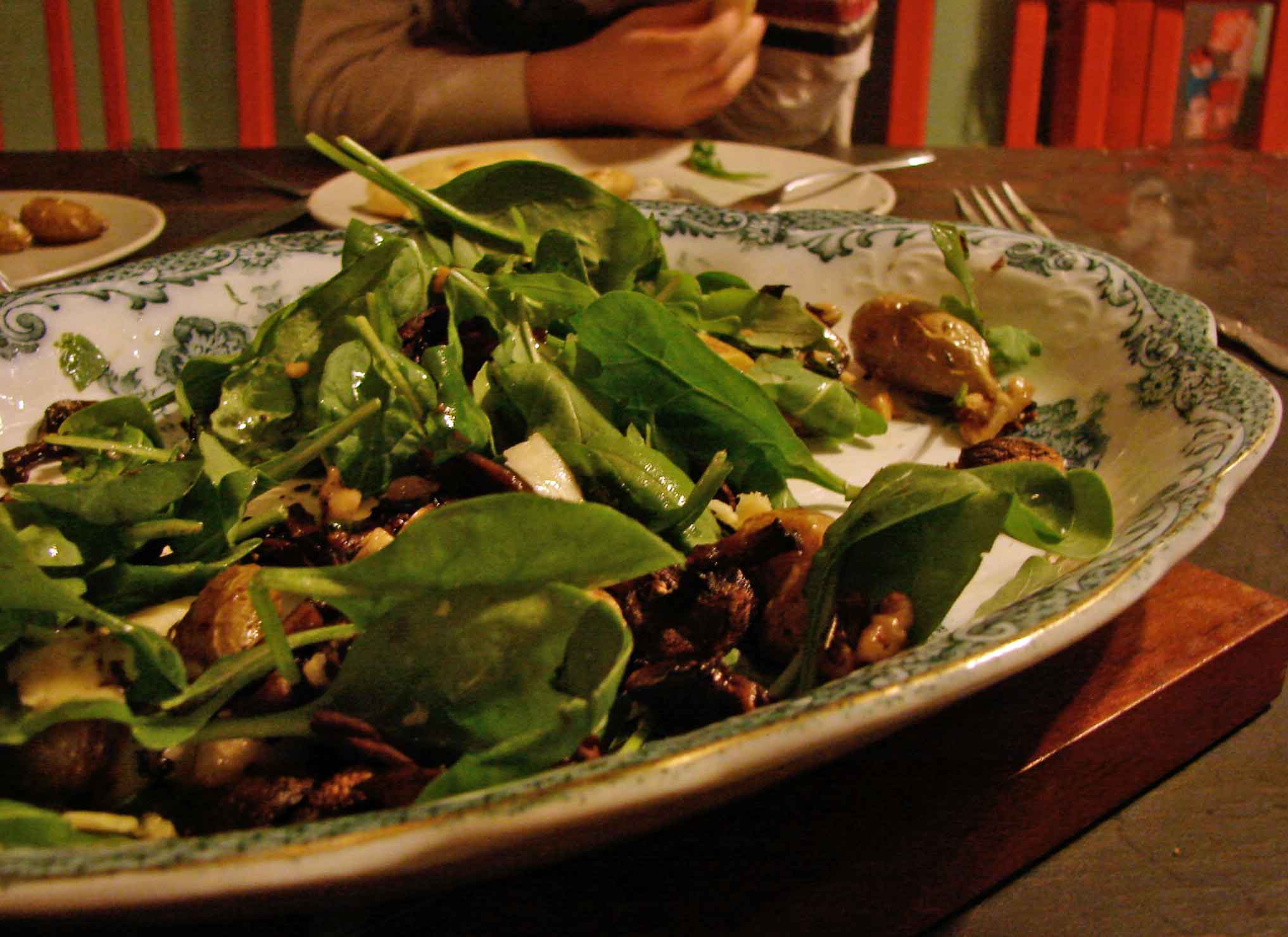
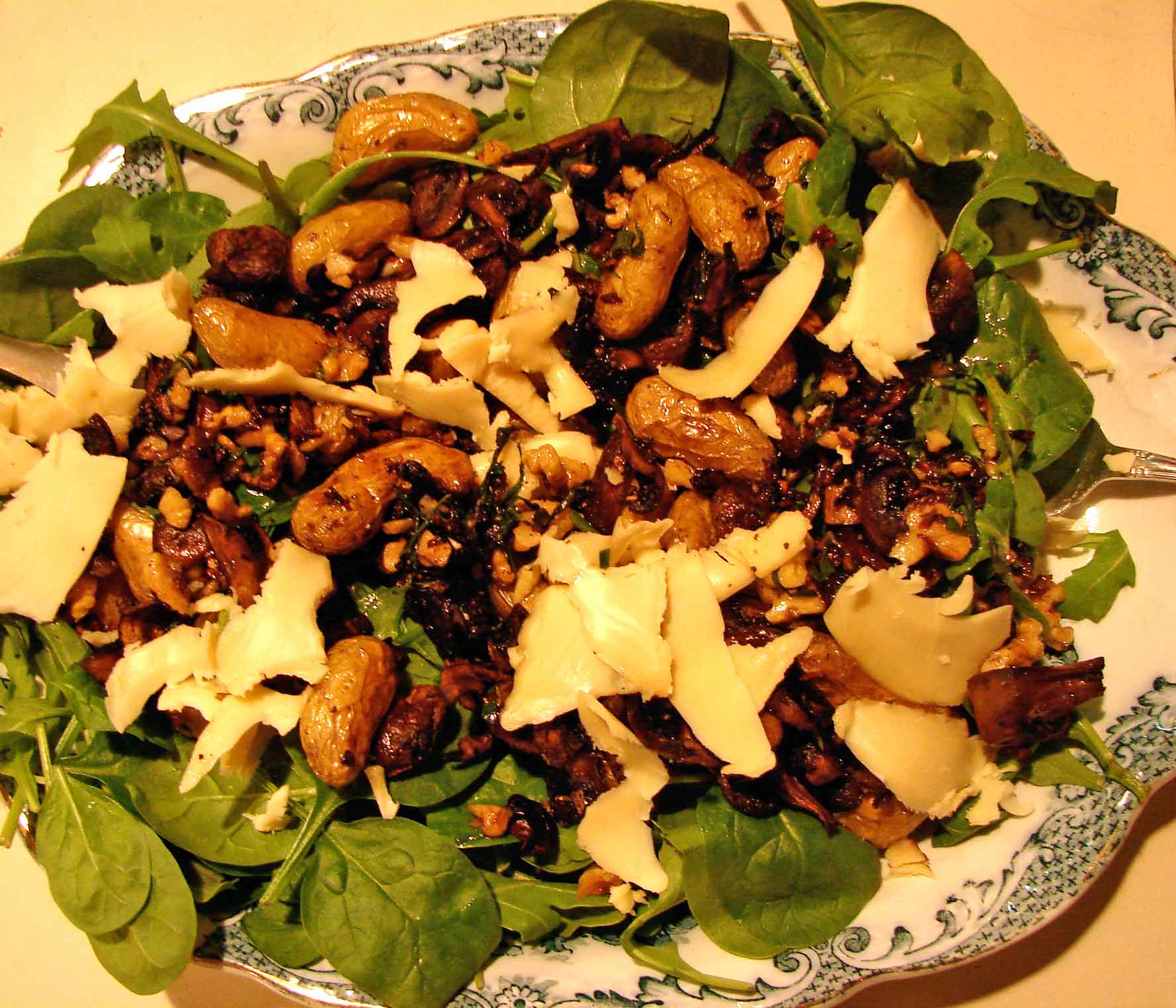
Warm salad with roasted mushrooms and tiny roasted potatoes and tarragon-white wine dressing

salad-isaacIsn’t it funny how big events seem to go so quickly in other people’s lives? They fly by in bright fleeting flashes of significant moments. You hear somebody is pregnant, and next you know they have a baby. None of the seemingly endless slow growth and change, the day-in-and-day-out joy and discomfort and bewilderment. To hear about somebody else’s trip abroad is planning, postcards, and stories when they get home; they’re back before you knew they were gone. They talk of going to college, you blink, and they have a degree and a job.

I suppose our memories of our own lives are like this as well. You never remember the hard work and the tedium, the work to raise each day above the tedious. You don’t remember the hours of sitting and waiting, between events, soaked in anticipation or recollection. When my boys were little I was sure I would remember every single moment, every gurgle and wave of the chubby little fist. Of course I don’t! They’re all mixed together in a sleep-deprived slurry of good intentions. I mostly remember the moments we photographed, which is why we take photographs, after all.

I love this quote about Rupert Brooke, “He was magnificently unprepared for the long littleness of life.” Not me! I’m ready! This is one test I’m completely prepared for! I love the littleness of each day, the petty pace of each tomorrow! Because, honestly, that pace is picking up, it’s not creeping any more, it’s flying, and I’m limping after it, trying to catch up. I want something big to work towards, of course, but thank god for the small things to look forward to each day. The cup of coffee, the making of a meal, the eating of a meal, reading with the boys, Malcolm’s happy walk, Clio’s sweet grabby paws, David putting his arm around me in the middle of the night, Isaac’s lovely silly songs, walks to school and home again, Clio leaping at us with frantic kisses every single time we walk in the door, inevitable spring, day after day, season after season, year after year.

I used to wish time away a lot when I was younger. I was so eager to get on to the next thing, and I’d wish away large chunks of days and weeks. I was thinking the other day that I don’t do that any more; there aren’t enough hours in the day for all of the foolish little things I want to get done. Where am I going with this? I don’t know!! Another incoherent ramble brought to your by your friends at The Ordinary. It’s a drizzly day, is all, and it’s January, and that’s the kind of mood I’m in!

mushroom-potato-saladWe’ve decided to eat mostly vegetables for a few weeks. I mean, we always eat mostly vegetables, because we’re vegetarians, but we’ve decided not to combine them with pastry and, you know, all that stuff, but to make them the stars of the show. So… soups and stews and warm salads like this one. This was delicious! So tasty that I couldn’t save any to photograph prettily the next day. It involves a bed of baby spinach and arugula topped with tiny roasted potatoes, crispy roasted mushrooms, crunchy walnuts, smoky smoked gouda, and a dressing of tarragon, shallots, garlic and white wine. Crunchy, soft, warm, cool, Yum!

Here’s Everyday by Yo La Tengo.
Continue reading

French cake a week – Gateau de pommes “A la Danoise” (and simple spice cookies)

french-apple-cakeIn which Claire, who doesn’t speak French, bakes her way through the cake section of a French cookbook from 1962.Yesterday we shared some poems and passages about windows. “But Claire,” I heard you saying, “You know what else is beautiful? Photographs of windows, and film scenes that involve windows!” “Of course!” I reply enthusiastically. “Two things I have long loved!!” It’s true, I do love photographs of windows. I find them so inviting and mysterious, so suggestive of the story of a person’s life, and yet a little melancholy and lonely at the same time. I’ve mentioned Eugene Atget before, in these virtual pages. Many of his photographs involve windows – store windows and tenement windows – windows with the ghost of a person in them, a whirl of light that represents movement, a row of grinning dummies. atget2012_cour41ruebroca_1912-webOr simply an emptiness or a shadow, a hollow that holds the secret movements of the people who live there. Jean Renoir, Atget’s compatriot, adds movement and depth to images of Parisian windows to create a poetry of light and shadow, a shifting frame within-a-frame that allows him to play with interior and exterior space. Renoir is famous for employing a large depth of field, so that objects in the background and middle ground are just as sharply focussed as those in the foreground, and frequently he’ll use a window to frame the action, so that two stories occur at once in the shot, distinct but related. In Grand Illusion, the soldiers’ exercises in the background create a source of mounting tension in contrast to the genial conversation inside of the window, and when the camera pulls back at the end of the scene, so that we’re outside the window looking in, it casts the men as characters in the story about to unfold. In Boudu Saved from Drowning, the parlor drama on the inside is contrasted (in a gorgeous tracking shot) with the world of the parisian streets outside the window, as observed through a telescope. And this passage from Le Crime de Monsieur Lange is beautifully busy with activity in and out of windows, dividing people even as it connects them, in a drama that illustrates the power of people working together. The murder scene, seen from across a street, entirely through windows and doorways, sets the frames of windows almost as the individual frames of the film itself, in a masterpiece of life and light and shadow – a sort of love letter to the pure joy of watching a story unfold. Beautiful.

Spice cookies

Spice cookies

French cakes seem to often involve crushed cookies and cream. You really can’t go wrong with crushed cookies and cream! This particular cake combines layers of a thick apple compote with layers of cookie crumbs and butter. I misread the recipe, or, I suppose, I mistranslated it. It said “biscottes,” but I read “biscuits.” A small amount of lazy research suggests that “biscottes” are actually melba toast. BUt it was too late! I’d already made some spice cookies to crumble for crumbs. And I think it was a happy mistake, because the spice cookies are perfect with the apples!! You could probably use digestives or graham crackers with equally pleasant results. These cookies are worth making just to eat, though, because they’re very tasty, and you only use 9 or 10 in the recipe. My finished cake wasn’t the prettiest, because I don’t have a means to pipe the cream in attractive patterns, but it tastes absolutely delicious, so who cares how it looks?apple-cake-french

Here’s Listz’s Totentanz from Rules of the Game.
Continue reading

Fennel, walnut and ricotta paté

pate-smoked-gouda-toast“Now, on a Sunday morning, most of the windows were occupied, men in their shirtsleeves leant out smoking, or carefully and gently held small children on the sills. Other windows were piled up with bedding, above which the dishevelled head of a woman would briefly appear. People called out to each other across the street, one of the calls provoked a loud laugh about K. himself.” I read The Trial by Franz Kafka in high school. Now, decades later, I will admit to being a little fuzzy on the plot and themes, and whatever else we probably wrote our paper on. But for some reason this image, of a man leaning out the window in his shirtsleeves on a Sunday morning glows in my memory and my imagination. I could feel the air, morning-cool, but warming every moment. I could see the man’s shirt, it was white, with thin blue stripes, soft and light. I could even feel K.’s awkwardness, his sense that he wasn’t part of this busy world of people starting their day. I like to read about people at windows, and I don’t know why! But I’ve collected a few samples, for your delectation, and I expect a 5000 word essay on my desk tomorrow, explaining the significance of the window in each example vis-a-vis the tropes of subtexts signifying the microcosm of the other in the substantiality of the now. Or you could share some memorable quotes describing people leaning out of windows that have stuck in your mind half your life. Or you could say, “you’re crazy, man, nobody collects literary passages about windows. I’m out.” The choice is yours! Ready? Begin!

    Shall I say, I have gone at dusk through narrow streets
    And watched the smoke that rises from the pipes
    Of lonely men in shirt-sleeves, leaning out of windows?

(T.S. Eliot, of course! The lovesong of J. Alfred Prufrock)

    It was to remember the streets of Harlem, the boys on the stoops, the girls behind the stairs and on the roofs, the white policeman who had taught him how to hate, the stickball games in the streets, the women leaning out of windows and the numbers they played daily, hoping for the hit his father never made.

(James Baldwin, Another Country, which has people leaning out of windows all over Manhattan and the South of France)

    ..while at times I feel that to be able to cross the Rue Saint-Hilaire again, to engage a room in the Rue de l’Oiseau, in the old hostelry of the Oiseau Flesché, from whose windows in the pavement used to rise a smell of cooking which rises still in my mind, now and then, in the same warm gusts of comfort, would be to secure a contact with the unseen world more marvellously supernatural than it would be to make Golo’s acquaintance and to chat with Geneviève de Brabant.

(That would be Proust)

    Young Woman At A Window

    She sits with
    tears on
    her cheek
    her cheek on
    her hand
    the child
    in her lap
    his nose
    pressed
    to the glass

(And our William Carlos Williams)

Fennel & walnut paté

Fennel & walnut paté

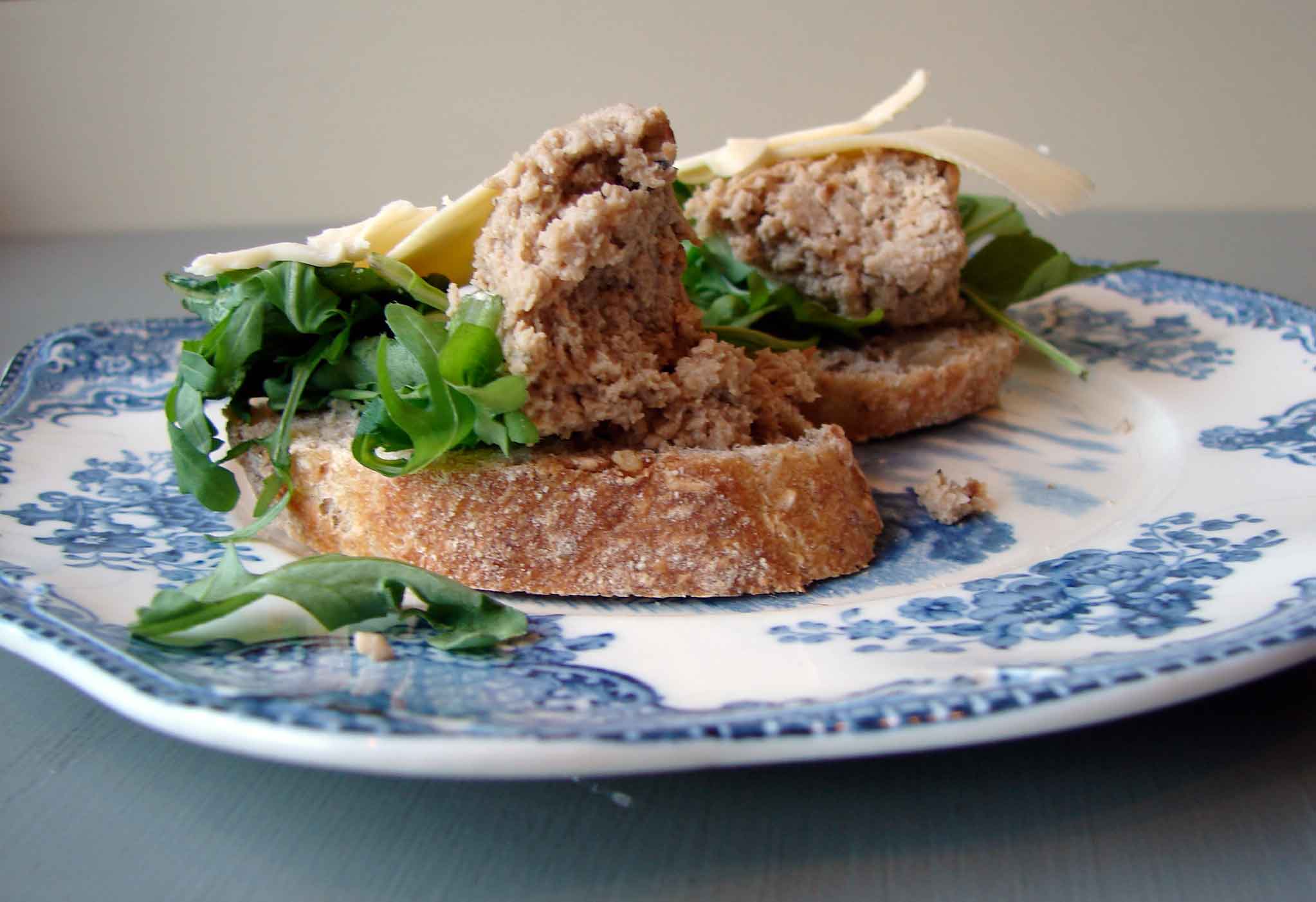
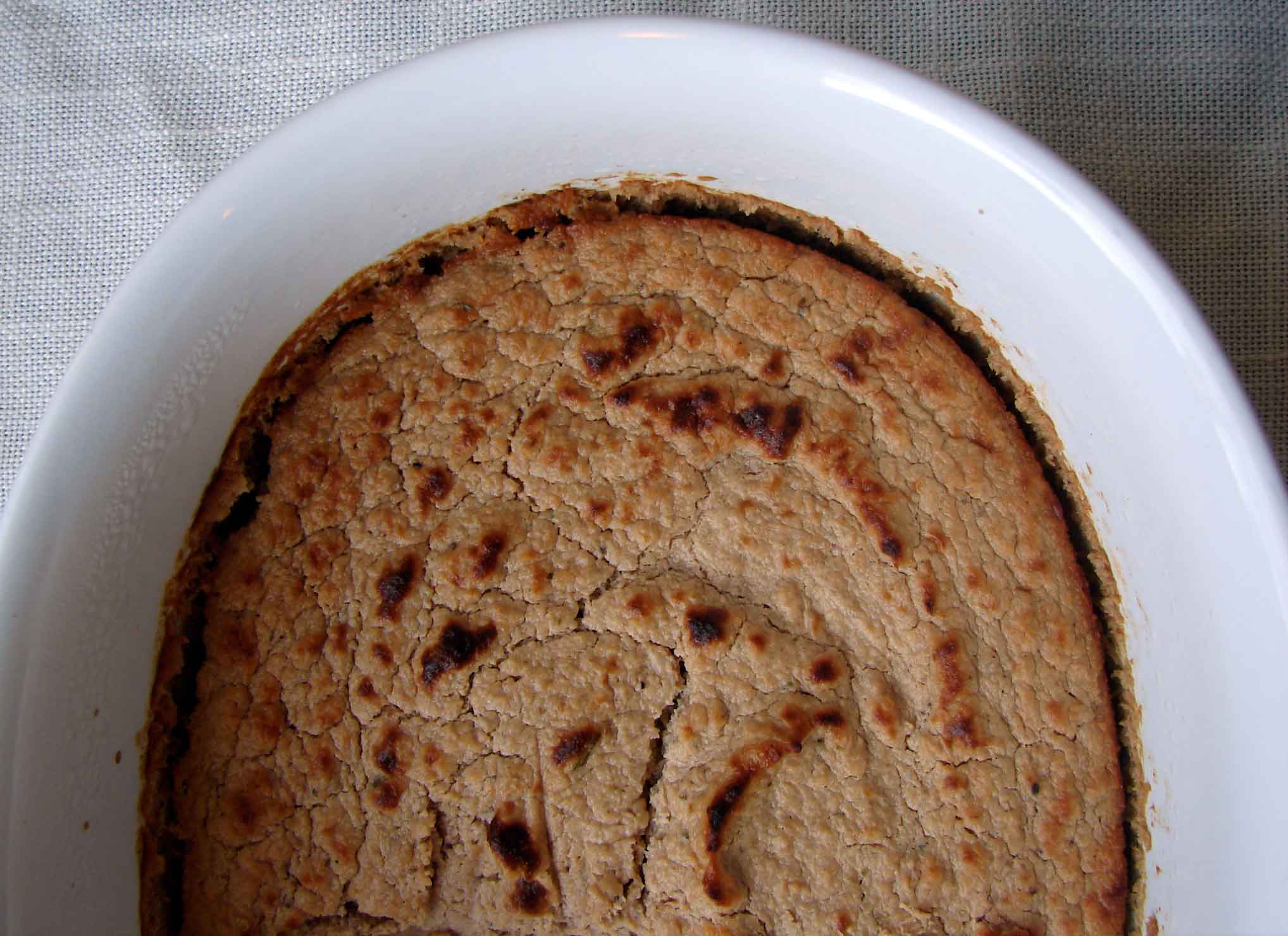
I wasn’t really sure where I was going when I made this pate, but I like where I ended up. This was delicious on small whole grain toasts, with a few sprigs of arugula and a thin slices of smoked gouda. It’s made by braising fennel and garlic in white wine with a bit of rosemary, and then pureeing this mixture with walnuts and ricotta, adding an egg, and baking until set but soft. It made a nice side dish warm, the first night I made it, but it was better the next day, at room temperature on toast.fennel-ricotta-pate

Here’s Woody Guthrie with Do You Ever Think of Me (“At my window, sad and lonely, often do I think of thee…”)

Continue reading

Summer-in-winter tomato arugula soup

tomato-arugula-soupHere at The Ordinary, we have an institute devoted entirely to the study of winter light. Though time is flying and the days are short, the season can feel very long. It is easy to succumb to feelings of sleepiness or downright discouragement, this time of year. But in our extensive field research, we have discovered a certain light that feels hopeful. We have, of course, taken samples, and we have them percolating in our underground laboratories, where they bubble and glow in test tubes and petri dishes, illuminating the gloom. We feel that we are approaching a breakthrough in our studies that will allow us to declare that this hopeful light is instrumental in helping us all make it through the winter months. You can keep your “golden hour,” and your “tropical sunsets” and your showy, “aurora borealis,” we’ve got a few minutes of clarity in a murky season, and we’ll take it, dammit! This light can occur at different intervals throughout the day, late in the morning, when the sun finally breaks through the dull grey blanket of clouds and washes the world with light. It might show up in early afternoon and lure you out of your house, cheering you with a brief moment of something very close to warmth. In late afternoon it’s the most fleeting, raising your spirits almost as they fall and follow the sun into dusky pink shadows. The light is cold and clear and slanting, like pale white gold, and you almost feel that if you watch it long enough you’ll see it grow warmer and stronger. It’s a memory and a promise. Attempts to bottle this light for use as a restorative tonic have proven fruitless, so you’ll have to take it as it comes, and rejoice in the fact that it comes more often, and longer, as the days creep by.

This soup is also like a memory. It’s got the flavors of summer – tomatoes and herbs and arugula, juicy, piquant, and warm. It will remind you of ripe rich tomatoes with basil and mozzarella, drizzled with olive oil and balsamic, that you ate every single day in August. But it’s made with wintery supplies such as you might amass if you were snowed in, living in a cabin on the edge of a mountain – a good can of diced tomatoes, some dried herbs, baby arugula from a bag, some frozen green peas. I made it with a mix of fresh and dried herbs…I had some fresh tarragon and rosemary, and I cut back the sad thyme plant in my garden and used the last of those fresh leaves, but I used dried oregano and sage. You can use any herbs you like or have growing in your windows. The soup is light and pleasant, and if you top it with a bit of grated mozzarella, it’s comforting and filling, as well.

Tomato arugula soup

Tomato arugula soup

Here’s A Summer Wasting from Belle and Sebastian

Summer in winter,
Winter in springtime,
You heard the birds sing:
Everything will be fine.

Continue reading

Kale and black beans in curried pumpkin sauce with pumpkinseed-arugula pesto

Kale, black bean and pumpkin stew

Kale, black bean and pumpkin stew

This meal reminds me of something I used to make back in my bachelorette days. Can of pumpkin purée, can of chickpeas, loads of broccoli. It was quick, easy, cheap and not very fattening at all. I

n those days, I used to walk around the city I lived in. I’d walk for hours, every day, no matter the weather, lost in thought. And as I walked I repeated the mantra, “mad as a hatter, thin as a dime, mad as a hatter, thin as a dime.”

This time of year, we always read a lot about diet tips and trends. I always want to yell out about my story, calling out like the over-eager kid in class. It’s not much of a story, really. At one point in my life I was really skinny, and I wasted a lot of time and energy thinking about getting skinnier. I wasted a lot of energy depriving myself of energy, really. I was obsessed with numbers on a scale, I felt good at losing weight – it was a skill I’d conquered, and one it was difficult to stop once I’d started. I felt as though I’d conquered hunger, as well. The longer you ignore it, the less frequently you feel it. For me it wasn’t about looking like Kate Moss, who hadn’t been invented yet, it was about a million other things. About being the most thin; about becoming less human, more ethereal, less heavy on the earth; about getting away with something; about worrying people; about scaring myself.

And the reason any of this is worth mentioning is that I’m not like that any more. I know that millions of women are, and some men, too, and I’d like to say that it’s possible to regain balance and perspective, to feel good about yourself. And, actually, to stop thinking about yourself so much, so that you’re free to think about other things. It helps to have help, of course, from parents and boyfriends and friends. But mostly you find the balance yourself, gradually, over days and weeks and years. You learn that the better you feel about yourself, the better you feel about yourself, and that being healthy feels better than being thin and having ulcers and stomach aches, and having your hands and feet turn blue when it’s cold, and getting dizzy if you walk too far. You learn that it feels good to be strong. You’ll allow yourself to take up some space on the earth. You learn that you can loosen the vice-like grip of your control on everything you eat and how often you exercise without really changing yourself all that much. You’ll learn that all of the control in the world can’t save you from things over which you will never have control – your body will change over time, and there’s nothing you can do about it.

But you’ll realize that we’re all in it together, all heading in the same direction, and pulled by the same gravity. (And then, maybe, you’ll have a couple of kids and your whole world will turn upside down forever!) You’ll learn about the pleasure of eating with other people, and eating like other people do. You’ll find a place that you’re comfortable with yourself, and you’ll see that everything goes in cycles – you’ll gain weight, you’ll lose weight, everything will even out. You’ll throw out your scales. You’ll develop some rules to live by, probably unconsciously, that will help you to maintain your balance through thick and thin. You’ll mostly stop comparing yourself to other people, because you’ll realize that everybody is built differently. You’ll stop comparing yourself to yourself years ago, because everybody changes. You’ll know that you”re ok, and most of the time you will feel ok. You won’t worry constantly about your food and your body: you’ll take pleasure in them. That’s what I want to say when I see all of these advice columns, on websites, and on the covers of magazines at the grocery store, and on the news – all trying to sell themselves by making you feel bad about yourself so that they can tell you how to feel good about yourself.

And, of course, you’ll keep making meals like this, because they’re cheap and tasty, and full of vitamins, and yes, just a bit because they’re not very fattening at all. Kale and beans and pumpkin!! Can you think of all the vitamins and protein in this one meal! I was hoping my boys would like it, and they did like the sauce and the beans, but the kale was a little bitter for them. I bought a bag of baby kale, and because it was so young, I didn’t boil it first, but it was a bit bitter, so next time I’d parboil it just for a few minutes. I’ve been thinking for a while about combining pumpkin flesh and pumpkinseeds in a meal! It just makes sense that they’d go together, and they do! The flesh is sweet and warm, and the seeds are smoky and cool, and they’re just perfect together.

Here’s Tom Waits Diamonds and Gold.

There’s a hole in the ladder
A fence we can climb
Mad as a hatter
You’re thin as a dime
Go out to the meadow
The hills are agreen
Sing me a rainbow
Steal me a dream

Continue reading

Mocha mousse cake

Mocha mousse cake

Mocha mousse cake

I was sewing some felt owls the other month, as one does. The seams flying through the machine, somewhat sloppy and uneven, brought to mind a phrase my mother uses. “Loving hands at home.” The phrase, taken as a whole, is an adjective, and it describes work that is not technically perfect, but that is made with love. It’s such a nice expression, particularly if used by a mother, because a mother’s hands can be so magically comforting. When my boys were little I could soothe an achy belly with a tummy rub, and Malcolm still asks me to put cool hands on his forehead when he’s feverish. The exact shape and size of your mother’s hand seems to be imprinted in the memory of your own hand. My mother’s hands are calloused from cello-playing, but they’re always very soft and warm. I have a vivid memory of a train ride to Washington DC. I must have been in middle school. It was just after Christmas, and the train was very cold, but we all sat close together in the cramped compartment two facing seats make. My mother’s hand rested on my knee for some time, and the warmth of it felt good. When she took her hand away, it was as if the whole train became a little colder – not just the place where her hand had been, but every place.

I’m grateful to have grown up in a home that celebrated a loving-hands-at-home aesthetic. If the expression is taken not as an absolution of mediocrity or a justification for lackluster effort, but as an appreciation of the imperfections that make something unique, it becomes very freeing. I find that I’m raising my own boys this way. We color outside the lines. Sometimes, we don’t even make lines first! We find more beauty in lack of symmetry, in less-than-clean lines. An irregularity in fabric or wood is not a flaw but an opportunity to make something distinctly lovely. By hand, with affection for the work and the object that it produces, like true amateurs. I believe this is what they now call “artisanal.”

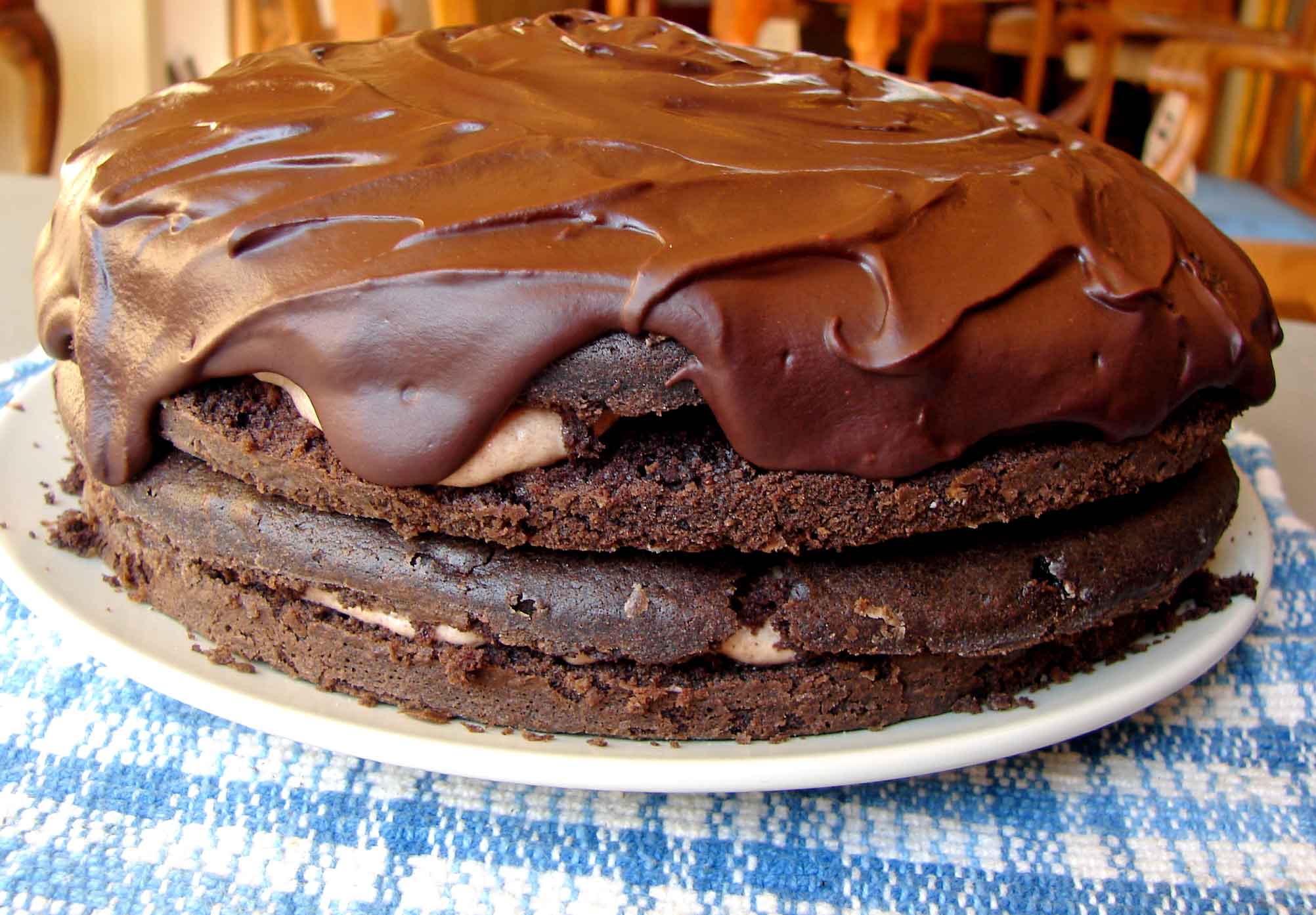
What’s this? A chocolate cake recipe in January! Nobody wants to see that! We all want light and healthy, dammit. Well, I’m a rebel, so here it is: four layers of dense, dark chocolatey, cinnamony cake with 3 layers of light mocha-cinnamon mousse, with the whole being topped by melted bittersweet chocolate. Actually, I made this cake for my mom’s birthday back in November, but what with one thing and another, I haven’t gotten around to telling you about it yet. My mom likes not-too-sweet things, she likes dark chocolate, and she used to eat these candies called “coffee nips,” which came in a yellow and brown box. I combined these ideas to make this cake, which is dark and rich, but not too sweet. She said it was the best birthday cake she’d ever had!! Of course, it might have been a cake that only a mother could love.

Here’s Peter Tosh with Equal Rights, because my mother likes it a lot. And so do I.

Continue reading

Membrillo, manchego and spinach pie

Membrillo, manchego, and spinach pie

Membrillo, manchego, and spinach pie

Hello, extraordinary Ordinary friends, and welcome to your sunday playlist!! We treated ourselves, over the holidays to a few new CDs, and one of them was Stop and Listen by the Mississippi Sheiks. It’s a beautiful album! They play country blues – guitar and fiddle – but it has a real jazzy sophistication as well. I’d known about the Sheiks for a while, but I’d never heard a whole album, and we were completely delighted by it! Instrumentals, beautiful rhythms you can just imagine people stepping out to, and lovely, mysterious moody lyrics. Many of the songs will probably be familiar to you as covered by other artists, but these are the originals! One such track is Sitting on top of the World. I’ve loved this song for decades, and I wrote a story about it when I was in my early twenties. I can’t find the story or I’d share it with you – you’re spared the agony of wading through my juvenilia! I love the spirit of the song – the hopeful sense that trouble and worry are over, and he’s moving on. I’ve been thinking about these kinds of songs, and discovered that some of my all-time favorites fit this description. Maybe you’ve had hard financial times, bad relationships, or just unspecified trouble, but you’re moving past it, you’re not going to worry any more. I love the way that the songs themselves lift you out of the worry and woe. So that’s our subject this week – “I ain’t gonna worry no more.” Our poster child for this week, of course, is the song by Sleepy John Estes. Nothing says “I ain’t gonna worry no more” like a kazoo!! I’m just getting started on the playlist – I think it’s going to be a big one! And it is collaborative, so please add your own. As ever, instrumentals are welcome. If it sounds to you like the music is hope triumphing over trouble, it belongs on our list!!

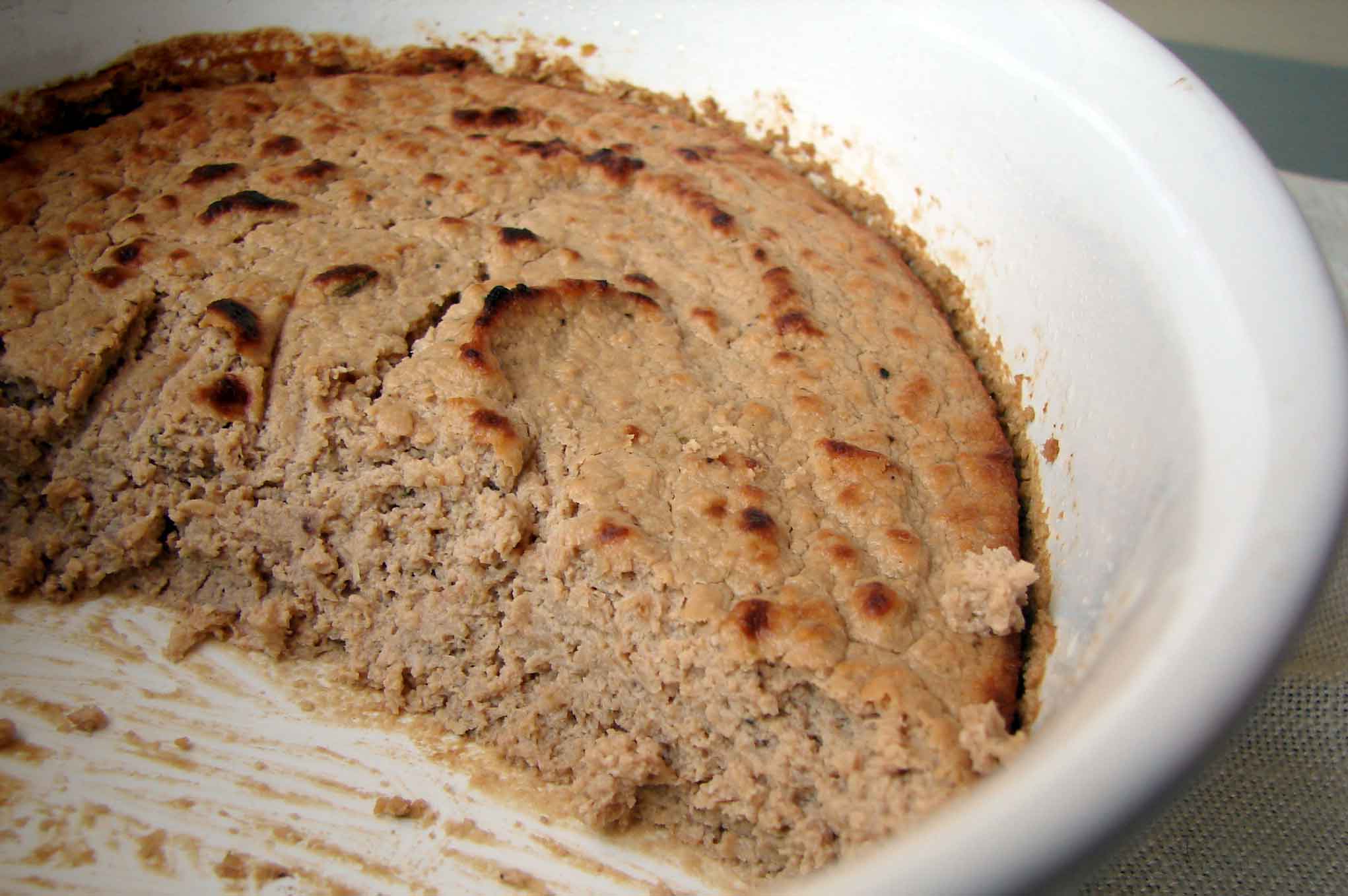
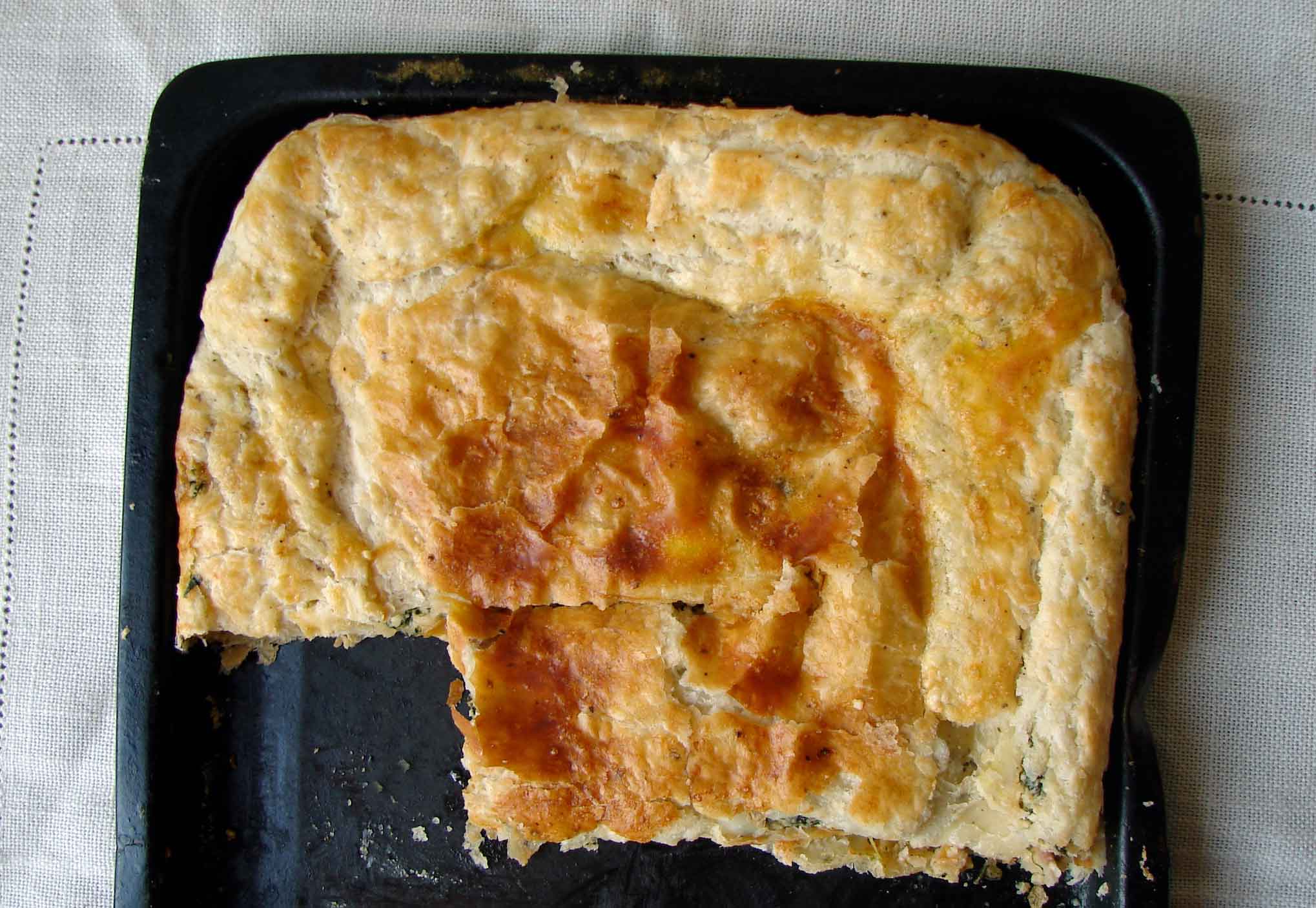
And this pie – lovely flaky, savory, a touch of sweetness – is based on the classic combination of membrillo (quince paste) and manchego (salty Spanish cheese). I decided to combine them in a pie (everything tastes better in a pie!!). And I thought spinach would be nice with them, because I like spinach with an element of sweetness. The quince paste is quite sweet, so a little goes a long way, and be sure to chop it finely. I used my membrillo scallops. If you don’t have time to make membrillo or can’t find it, you could substitute guava paste, which is available in most grocery stores. Or you could leave it out altogether and the pie would still be delicious!!I made the pie in the shape of a rectangle, because I was thinking of the Spanish empanada gallega, but you could make it in a circle, or oval, or any shape you like!!

membrillo manchego pie

membrillo manchego pie

Here’s Our Playlist!!

Continue reading

Crispy almond oat chocolate chip bars (gluten free!)

Almond oat chocolate chip bars

Almond oat chocolate chip bars

Isaac is deeply suspicious of anything remotely romantic. He’s not all that scared of Voldemort, but if any of the tiny larval wizards come close to kissing each other, he runs into the the other room, hands over his eyes. So when he uses the word “lover,” he’s talking about somebody that loves things. Clio, for instance, is a big lover. She loves everyone she meets, food, walks, all dogs, food, treats, warm radiators, picking the boys up from school, food. Children, of course, are natural lovers, they’re bubbling over with love, until somebody tells them that it’s just not cool, man, and they learn to be detached and insouciant. I’ve never learned that lesson, I’m afraid, so I’m still a lover. Here’s a fun thing to do when you can’t sleep: without over-thinking, list ten things that you love (aside from your family, of course!). It puts you in a good frame of mind, and wards off the whispering worries. Alright, here’s mine. Ready? Begin! Otters; Tintin; long, complicated novels; sunshine on a cold day, shade on a warm day; Skip Jmes; Nina Simone; a pat on the back; chard; pictures of windows; films with lots of watery green in them. Is that it? Is that ten? You know, I probably could have said food, walks, all dogs, food, picking up the boys from school, warm radiators… Heh heh!! Come on, everybody, try it, it’s fun! What? You think it’s dorky? OMG! Don’t be such a hater!

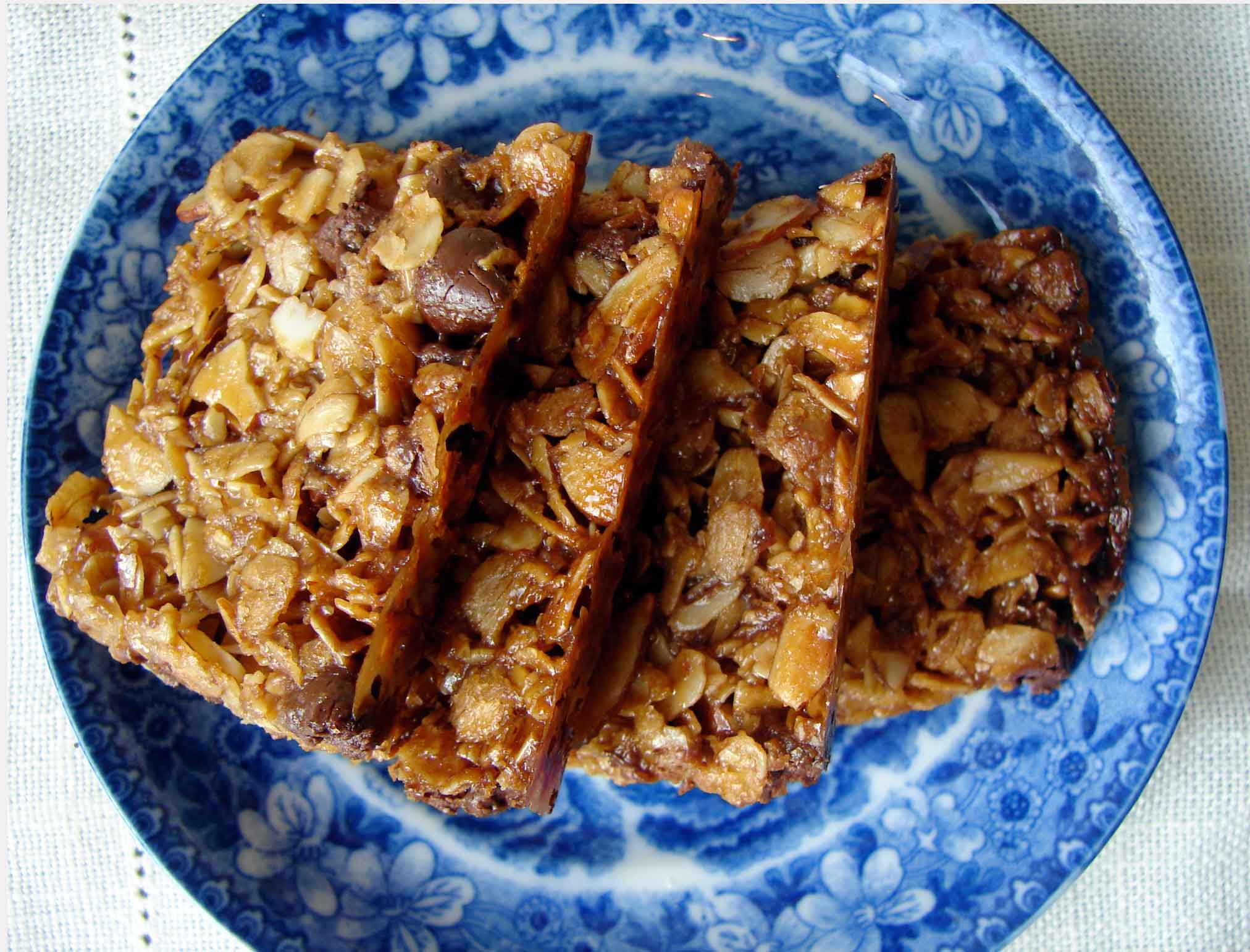
Guess who loved these cookies? Everybody! In the whole wide world! Well, everybody in my world! Malcolm was all, like, I’m not even going to try them, and I was all, like, whatever, I don’t even care if you try my cookies. So he tried one? And he ate, like, four of them? And I was all…you better slow down, and he was all, what? They’re healthy! Which, you could pretend that they are, because they have oats and almonds, but you’d be lying to yourself about all of that butter and sugar. My English friends will recognize that these are a lot like flapjacks, but my American friends would be confused if I called them that, and say, “Those are totally not like pancakes, man.” (As Americans do.) One thing you should know about these cookies is that they’re ridiculously easy to make. You mix them all together in a saucepan and then spread them on a tray and bake them, and that’s pretty much it!

Here’s Nina Simone with Music for Lovers. It’s a little schmaltzy, but oddly fitting for this post, and Nina Simone is so cool that she can get away with it. Or so I think.
Continue reading

White bean, turnip, and thyme stew and cheddar cornmeal biscuits

white-bean-turnip-stewAs you may recall, I’m reading The Brothers Karamzov, and I have been for some time. (It’s not that I don’t have time to read, but I feel a little guilty taking the time to read, which is sort of funny, because I was an English major, so once-upon-a-time, reading was my job.) Anyway, be that as it may, I’m slowly working my way through Bros. Karmazov, and I’d like to talk about Alyosha. I’ve been thinking about him a lot lately. He’s one of the most appealing characters in literature (to me), and I’ve been pondering this fact, and thinking about other characters of his type that I’ve also been drawn to over the years. Alyosha was named after Dostoyevsky’s own son, who died as a child, and I can’t help but think that the character is a sort of embodiment of the man Dostoyevsky might have hoped his son would become. He’s handsome, kind, good but not preachy, thoughtful, sympathetic. But I don’t find him cloyingly good, because, strangely, despite all of his ridiculously good qualities, he’s a very real and human character. He’s full of wonder, he’s often confused, his mood shifts from one sentence to the next, as we’ve all felt our own do. He’s part of the drama, obviously, he’s one of the brothers Karamzov, so he’s a major character, but he’s aside from the drama. Most of his struggles are internal – they’re philosophical or spiritual. He has faith, but he’s constantly questing and questioning, swayed by his cynical brothers, but very strong within himself. He reminds me of Gareth, from Once and Future King, who was one of my favorite characters when I was little. Like Alyosha, Gareth grows up in what we would today call a dysfunctional family. His father is at war, his mother rivals Alyosha’s father for evilness, and his brothers are caught up in the brutality around them. But Gareth is different. He has a sort of natural gentleness, “Gareth was a generous boy. He hated the idea of strength against weakness. It made his heart swell, as if he were going to suffocate.” In one scene, the four brothers attempt to catch a unicorn, but they kill it, and then, faced with the reality of butchering it, they’re sick, covered in sweat and blood and punctured intestines, and by the time they get the head home to their mother, there’s nothing left but a grisly, unrecognizable lump of flesh. This scene was so powerful to me when I first read it! And it made me love Gareth, who begged his brother not to kill the unicorn, and who lies crying in the heather once it’s killed, staring into the sky and imagining himself plummeting off the earth, and catching onto the clouds to stop his fall. And like Alyosha, as the story goes on, Gareth does not become as embroiled in the violent family turmoil. I love these characters, and I’m sure there are others (Kostya Levin from Anna Karenina comes to mind, but I’ve already talked about him!) Their stories become the most interesting, because they question not just the morality of the people around them, but the morality that drives the plot itself. In real life, I’m always impressed by people who can transcend their upbringing to question the world around them, and form their own values and ideals. It kills me that an author can create a character who stands in for himself (in these instances) in questioning the values of the world that he’s created. It’s brilliant, really, because it doesn’t feel like a moral judgement, coming from these characters, it feels like a difficult but natural peeling away of layers of accepted corruption and violence. In both cases, you can feel the force of the author’s affection for the character, and the depth of his sympathy for their confusion. Can you think of other characters like this? Atticus Finch, maybe? Or Herbert Pocket? Hamlet, even?
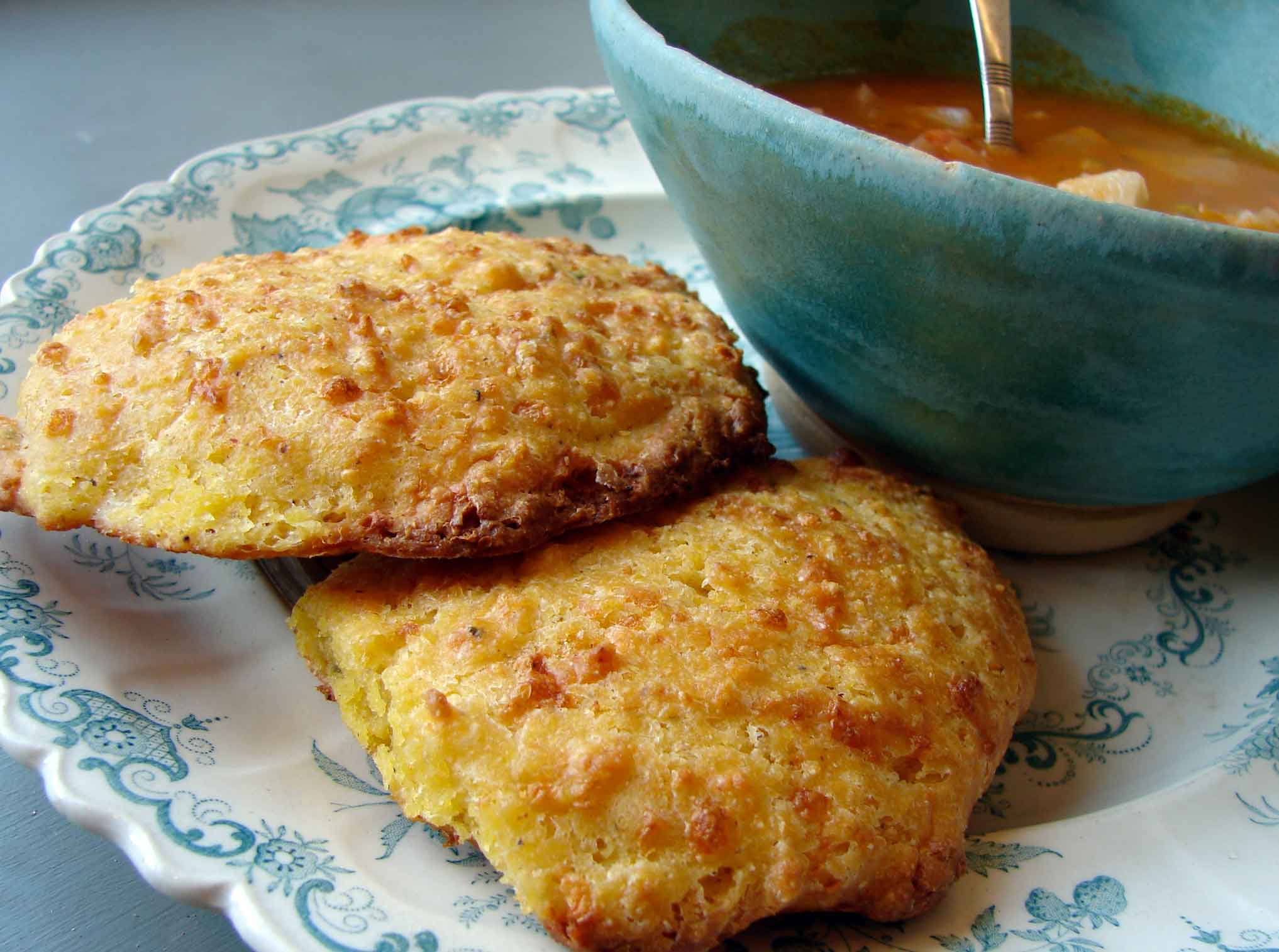
Sorry to go on and on as though this is some sort of addled, half-baked essay for a second-rate online literature course! I’ve just been thinking about it a lot lately. But I’ve been cooking, too, so let me tell you about this stew! It’s loosely based on an old recipe I found for French lamb stew, called Navarin, I believe. The original stew similarly contains turnips, potatoes, carrots and peas simmered in white wine and thyme. And I substituted white beans for lamb. I think it turned out very nice! Warm and sustaining, but not too heavy. And I made these cornmeal cheddar drop biscuits to go with it. They’re extremely quick and easy to make, and crispy outside, soft inside, and comforting.

Cornmeal cheddar biscuits

Cornmeal cheddar biscuits

Here’s Family Tree, by Belle and Sebastian
Continue reading